

The community magazine for the community
Powered by 
The community magazine for the community
Powered by
© Design Courier. Powered by Medelhan. Developed by Broadweb.80
| CANVAS OF PLANS & DRAWINGS |
INTERIOR & DÉCOR, but with a twist |
| HOTELS & RESTAURANTS, beyond mainstream |
Notes on ART |
| Into big AFFAIRS | INSIDERS |
| GLIMPSES | |
Keywords:
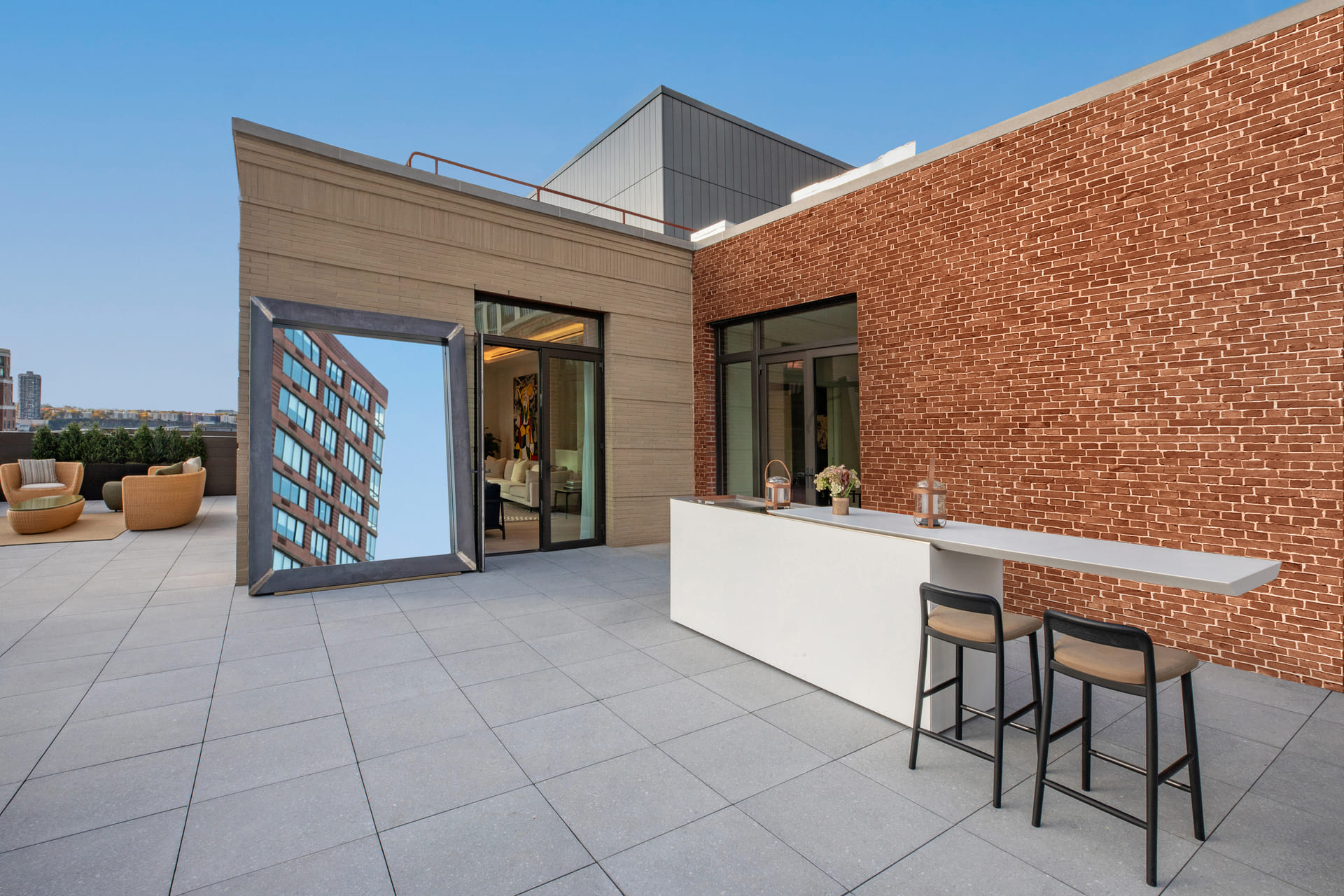
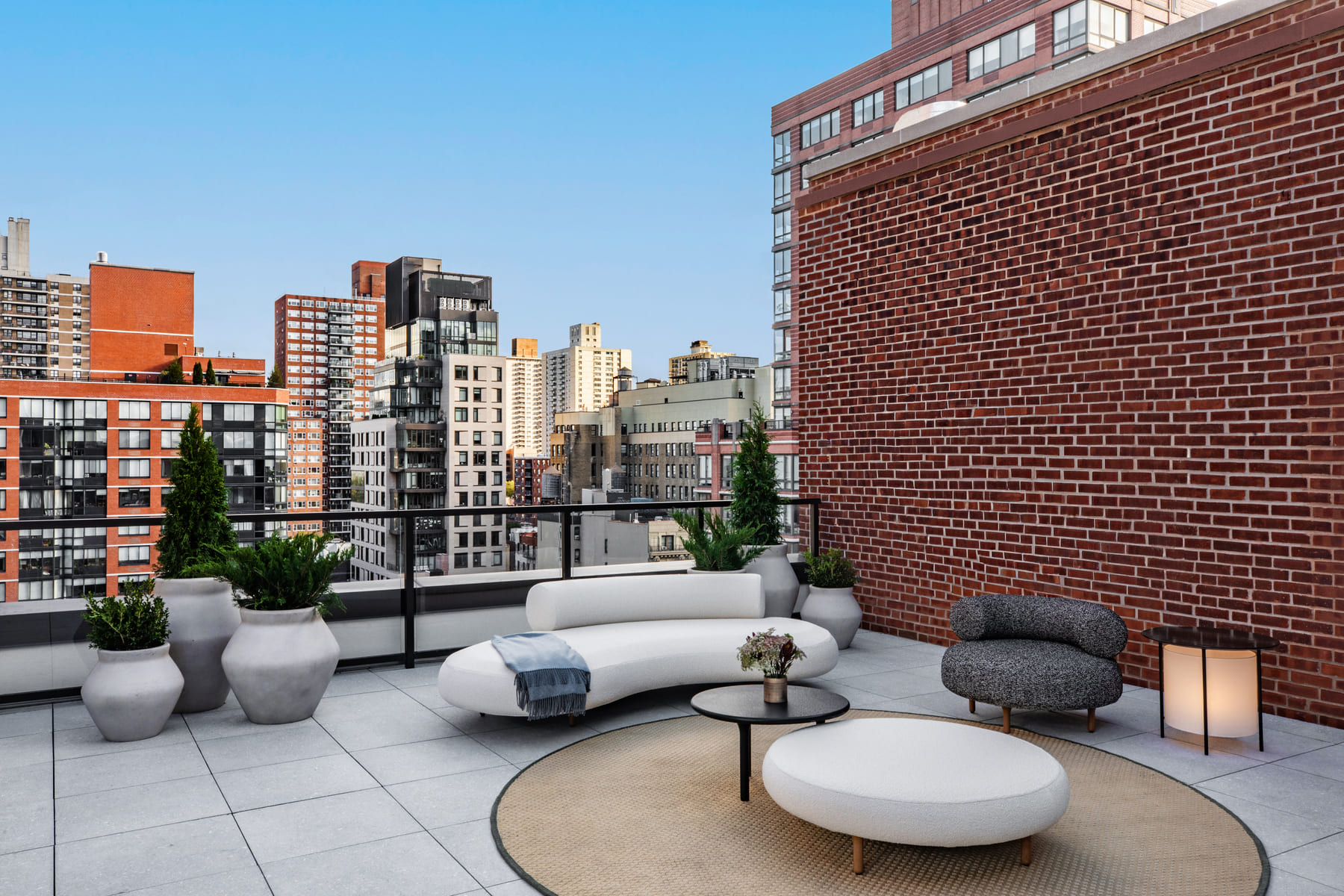
Perched atop the 17-story building, Penthouse 17C perfectly encapsulates this dialogue between past and present. Asking $12 million, the four-bedroom duplex spans approximately 3,700 square feet, offering sweeping views across the Upper West Side and the Hudson River while embracing an increasingly rare luxury in New York: generous outdoor living.
The residence unfolds across two levels connected by a sculptural interior staircase that naturally separates spaces designed for entertaining from those intended for retreat. Triple exposures to the south, east, and north flood the interiors with shifting daylight, while two expansive private terraces – opening directly from the kitchen and dining room – extend daily life outdoors, framing the city skyline as an ever-changing backdrop.
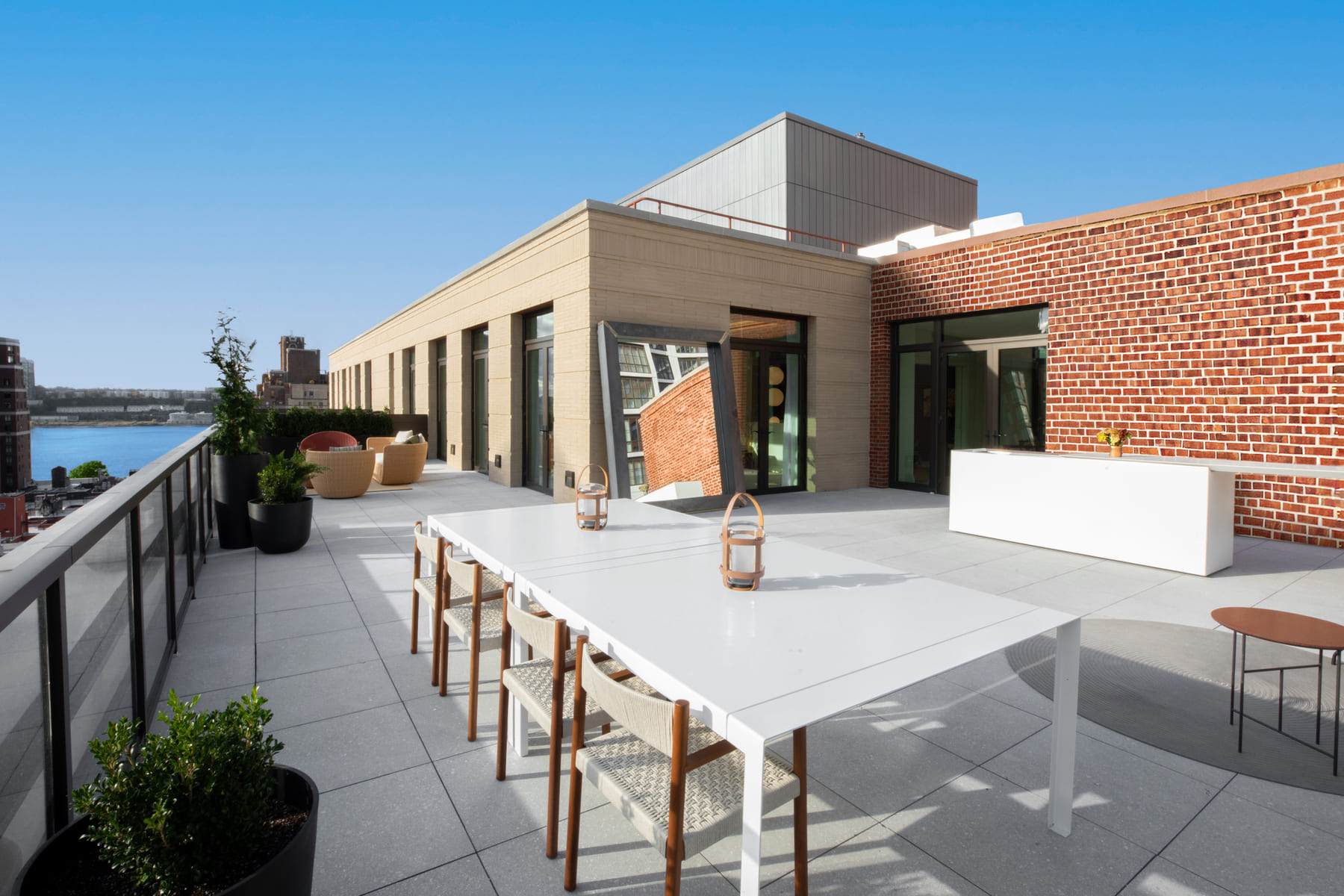
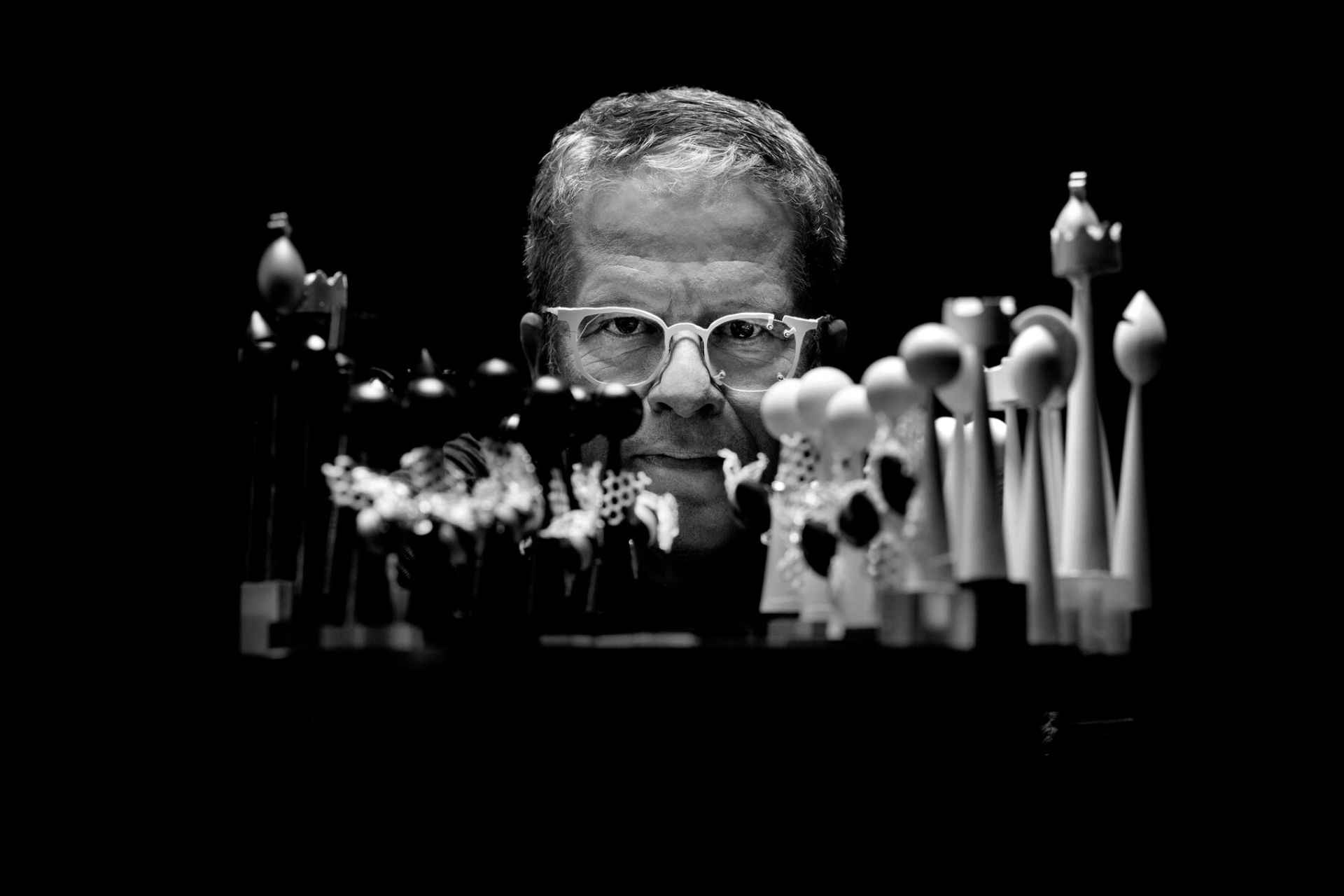
The penthouse is the culmination of Thomas Juul-Hansen's vision for the entire building. Known for his restrained yet deeply tactile approach to luxury, the Dutch designer has approached 720 West End Avenue not as a reinvention, but as a careful continuation of Emery Roth's architectural legacy. His interiors reinterpret classic Upper West Side proportions through a contemporary vocabulary where simplicity, craftsmanship and material integrity take precedence over ornament.
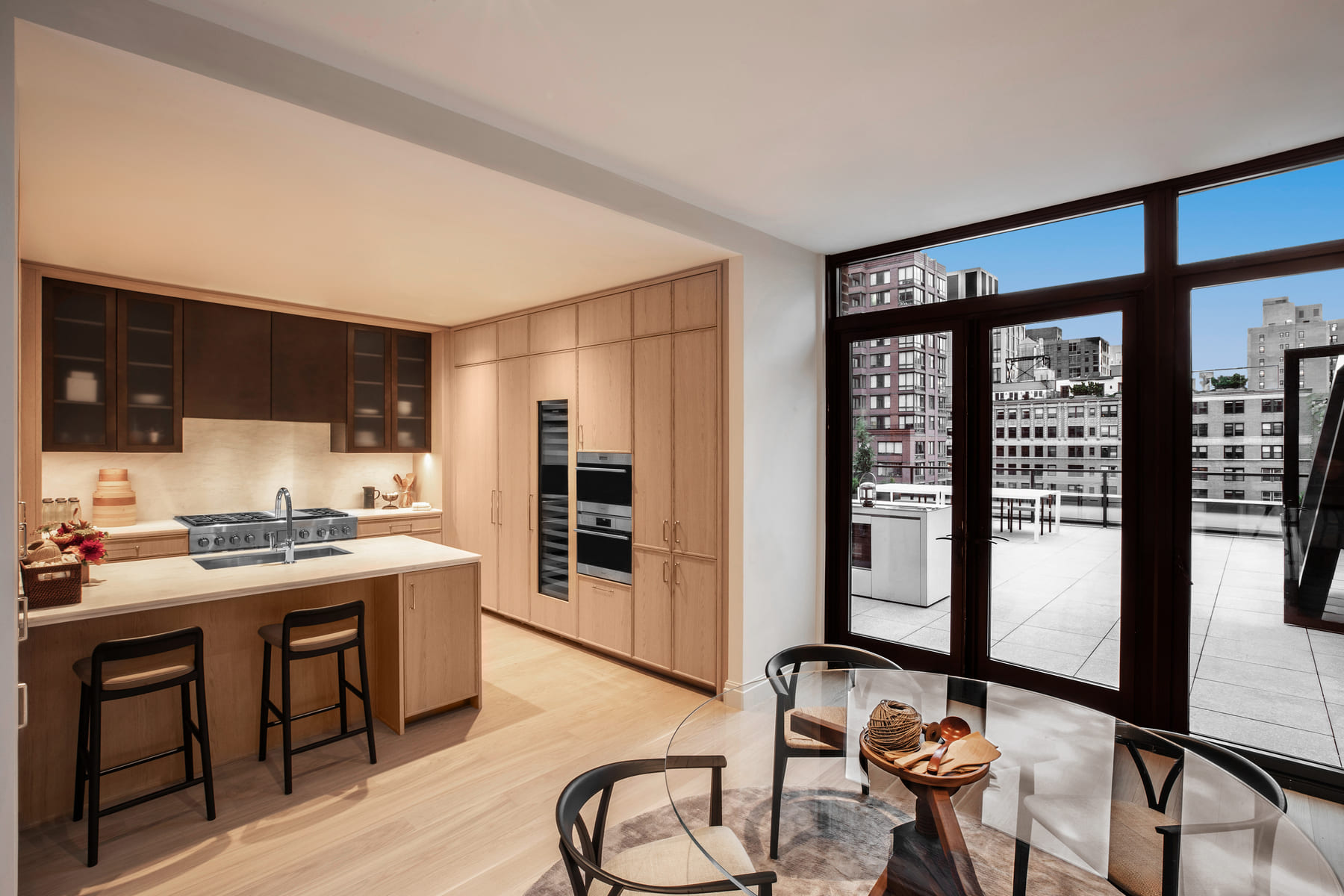
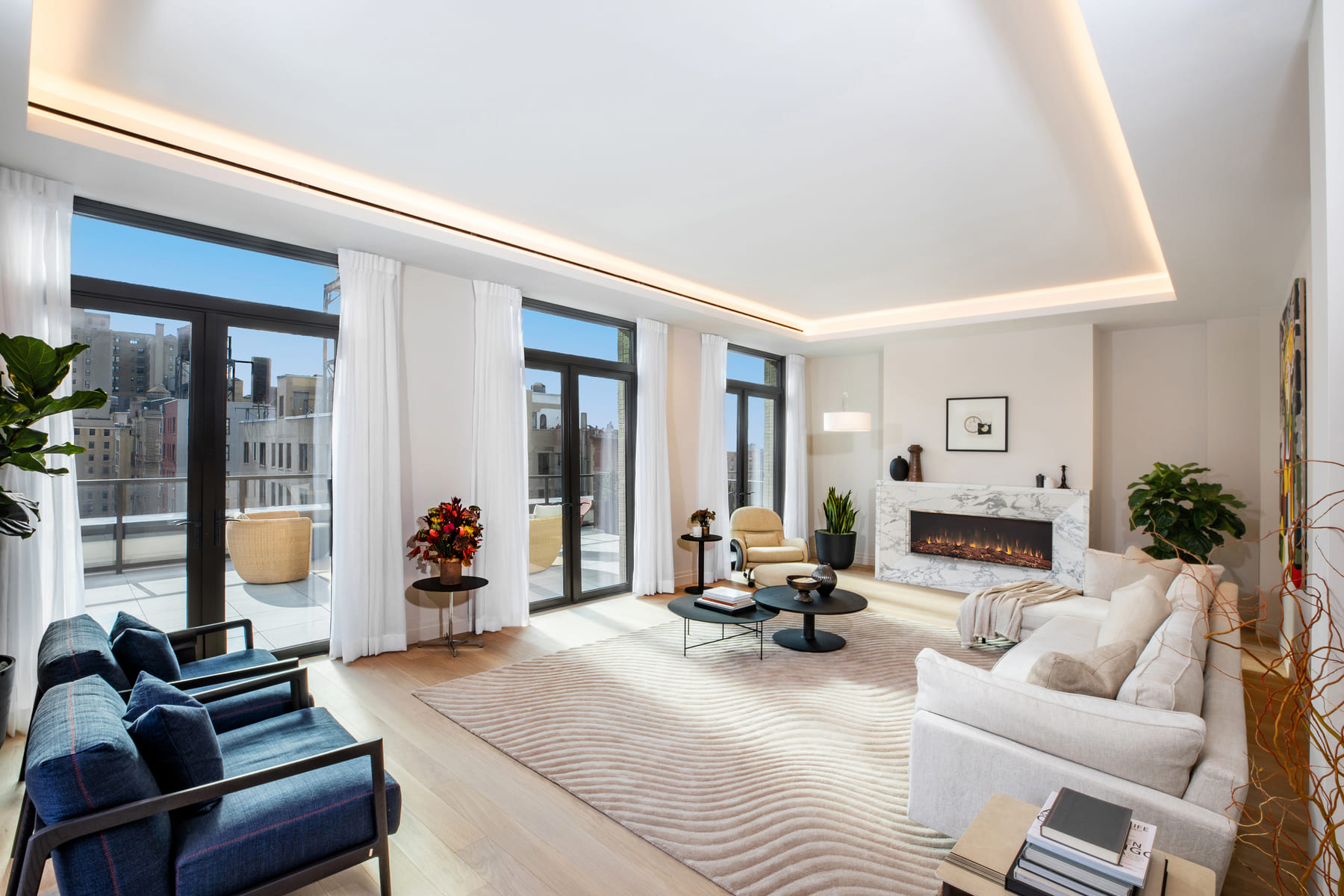
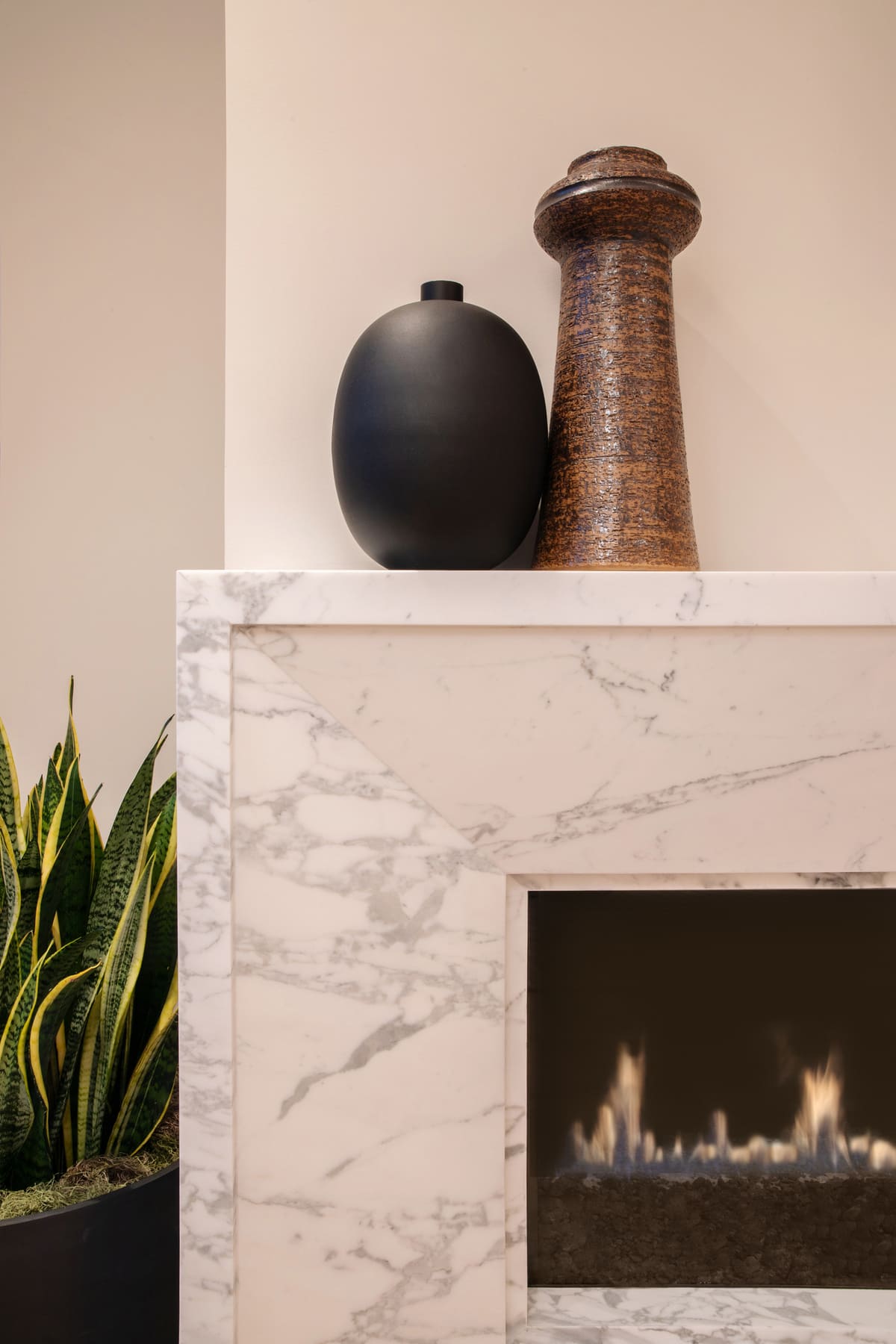
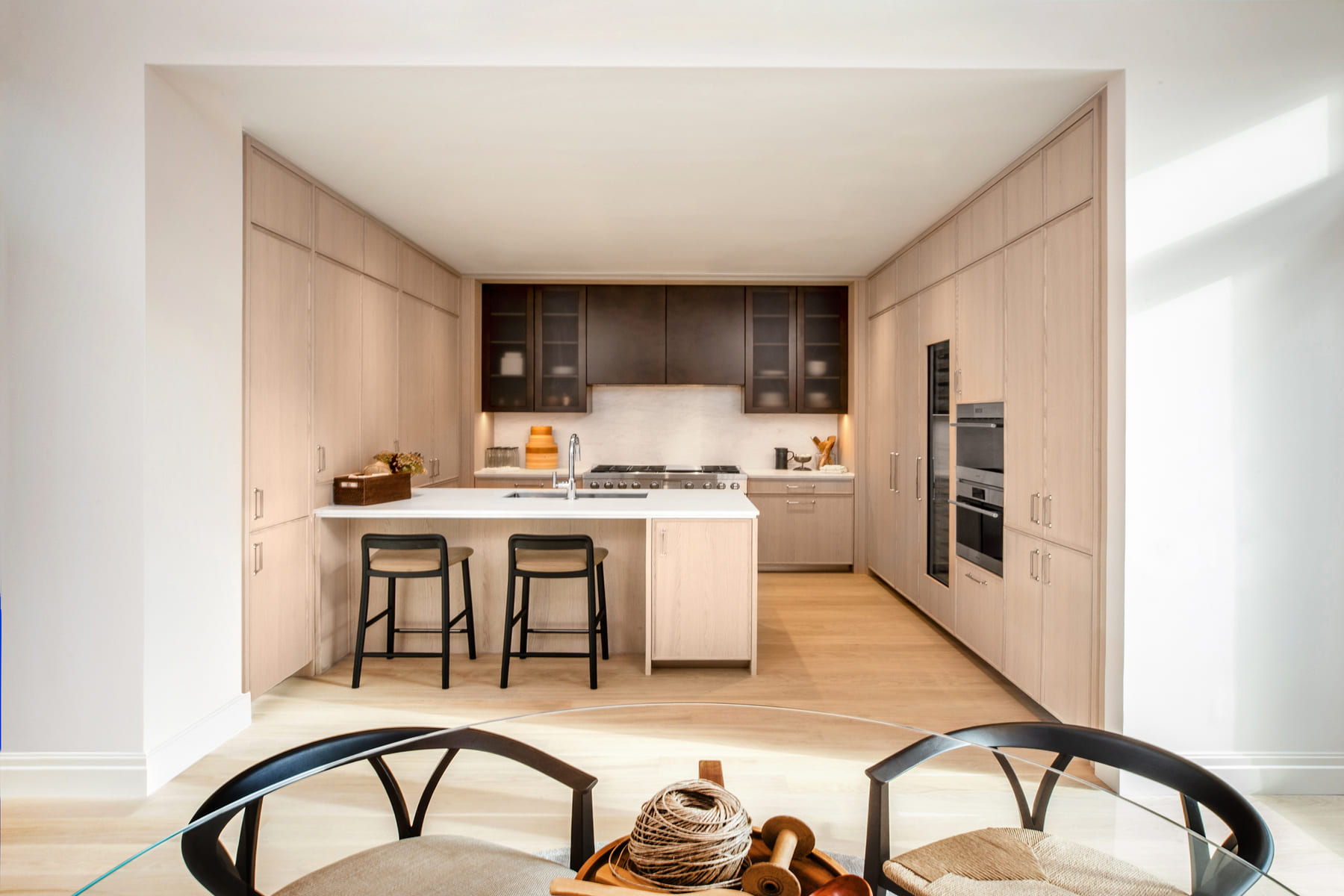
Throughout the home, wide-plank white oak flooring and bespoke millwork establish a sense of quiet continuity. The palette remains deliberately understated, allowing natural textures to become the protagonists. In the custom kitchen, honed Namibia Rose marble introduces warmth and subtle movement, complemented by white oak cabinetry and seamlessly integrated appliances that preserve the room's sculptural clarity. Nearby, the great room is anchored by a sleek gas fireplace, while oversized windows transform the surrounding skyline into living artwork.
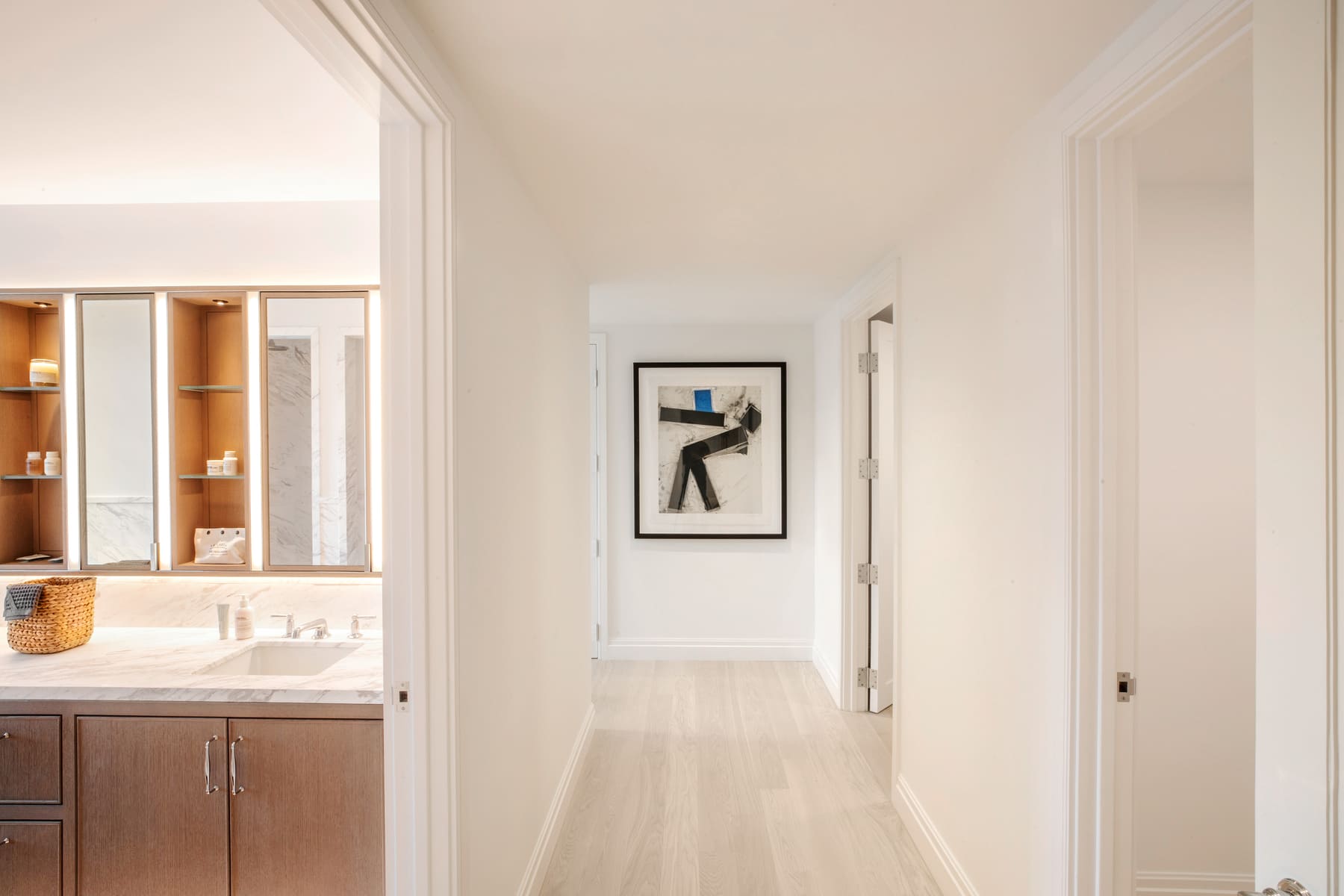
The bathrooms continue this philosophy of understated refinement. Volakas and Thassos marble, radiant heated floors and Waterworks fixtures create spaces that feel less like traditional bathrooms and more like private wellness retreats, defined by timeless materials rather than fleeting trends.
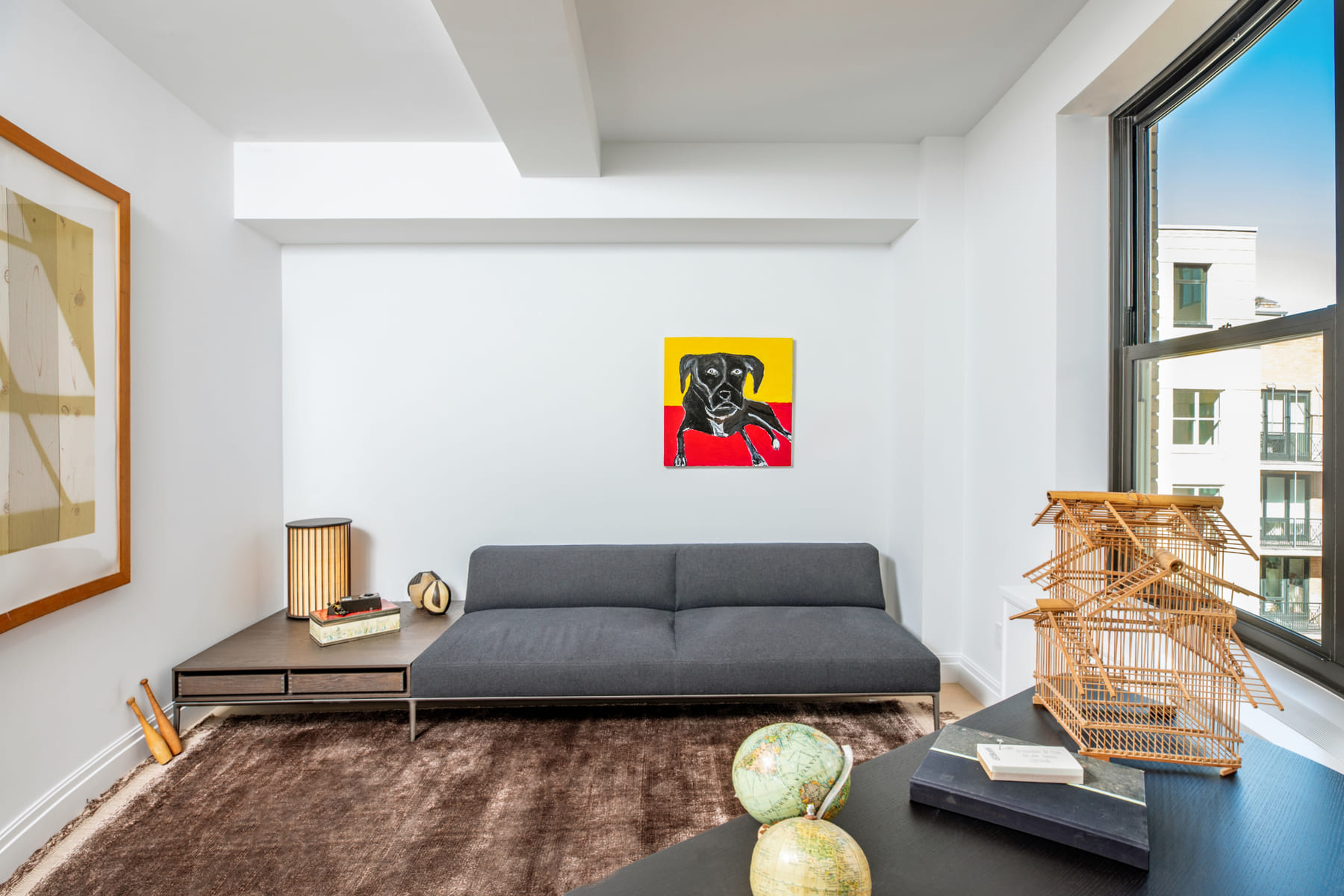
Adding another layer to the interiors is the curated furnishing concept by Italian design house Boffi. Rather than competing with the architecture, the furnishings introduce a gallery-like atmosphere through sculptural silhouettes, tactile fabrics and carefully composed contrasts. Curved forms soften the home's clean architectural lines, while restrained tones reinforce the sense of calm that permeates every room.
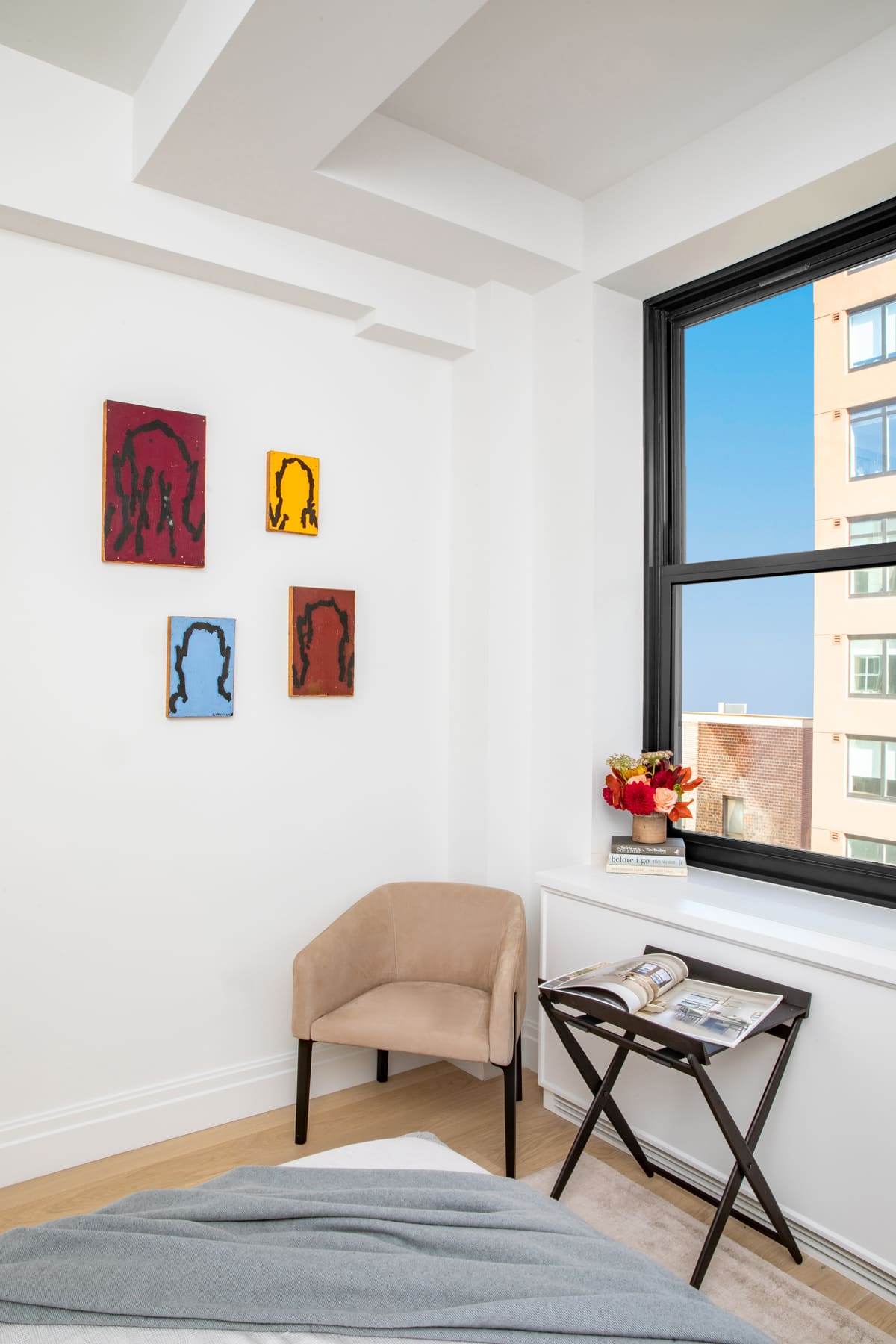
The transformation of 720 West End Avenue extends well beyond the individual residences. Situated along the longest uninterrupted stretch of pre-war architecture in Manhattan's landmarked West End Historic District, the building has been carefully restored by BP Architects, preserving defining historic features – including the original marquee, stone base and grand entrance – while introducing a discreet new rooftop addition that houses a collection of contemporary penthouses designed for modern living.
Residents enjoy more than 30,000 square feet of indoor and outdoor amenities – an extraordinary offering for a historic pre-war building – including wellness spaces, lounges, recreational facilities and landscaped areas that rival those of newly constructed luxury towers while retaining the architectural gravitas only a nearly century-old landmark can provide.
Penthouse 17C even includes an increasingly elusive New York luxury: a complimentary on-site parking space, seamlessly integrating convenience into a lifestyle otherwise defined by timeless elegance.
In many ways, 720 West End Avenue reflects the evolution of luxury itself. Rather than pursuing spectacle, it celebrates permanence. Rather than overwhelming with excess, it relies on proportion, craftsmanship and thoughtful design. It is a building that respects its past without becoming nostalgic, and a penthouse that demonstrates how contemporary living can be elevated not by extravagance, but by restraint – a quiet masterpiece overlooking one of Manhattan's most enduring neighborhoods.
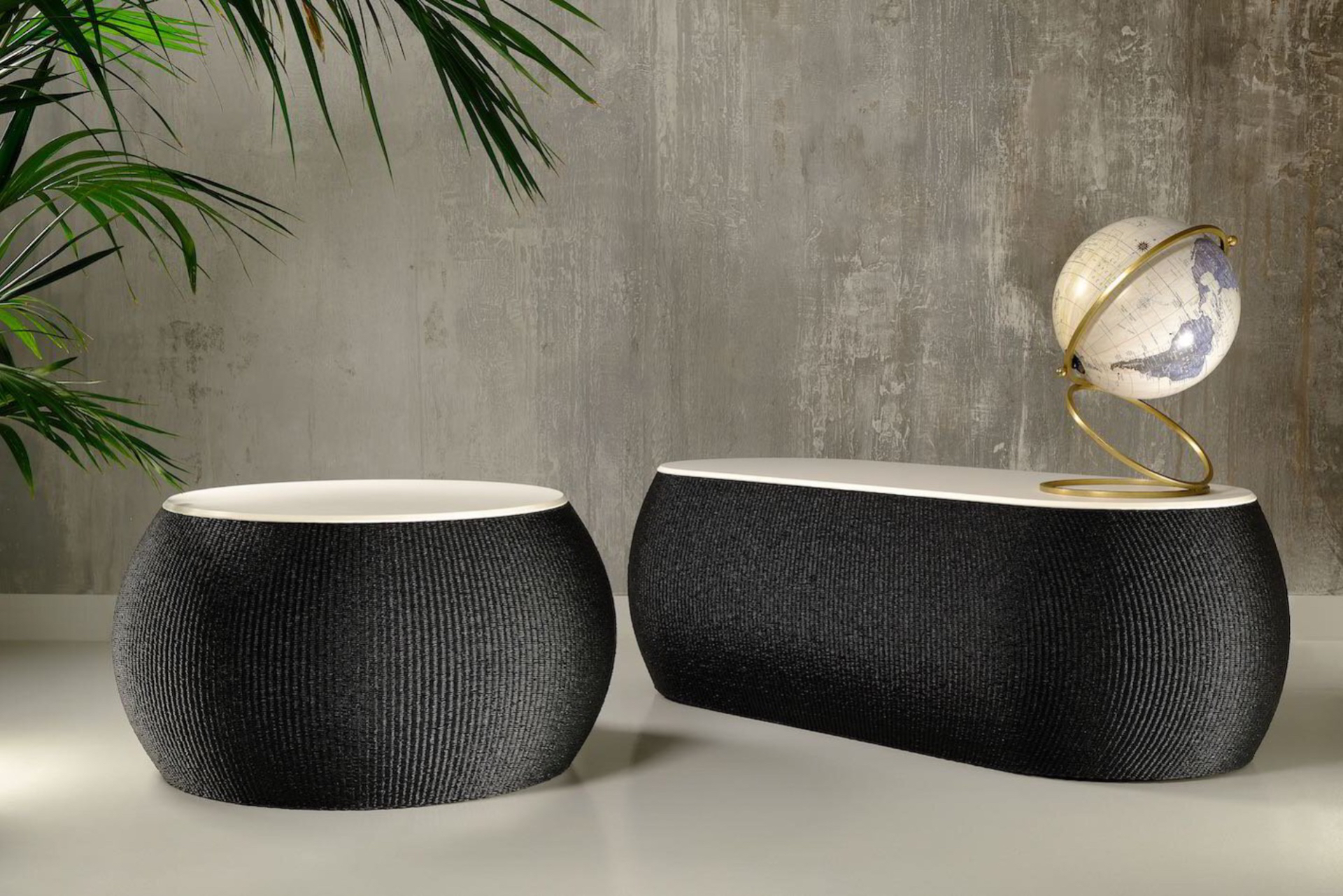
Once upon a time there were crafts workshops. Then came the advent of industrial design and mass production.