

The community magazine for the community
Powered by 
The community magazine for the community
Powered by
© Design Courier. Powered by Medelhan. Developed by Broadweb.80
| CANVAS OF PLANS & DRAWINGS |
INTERIOR & DÉCOR, but with a twist |
| HOTELS & RESTAURANTS, beyond mainstream |
Notes on ART |
| Into big AFFAIRS | INSIDERS |
| GLIMPSES | |
Keywords:

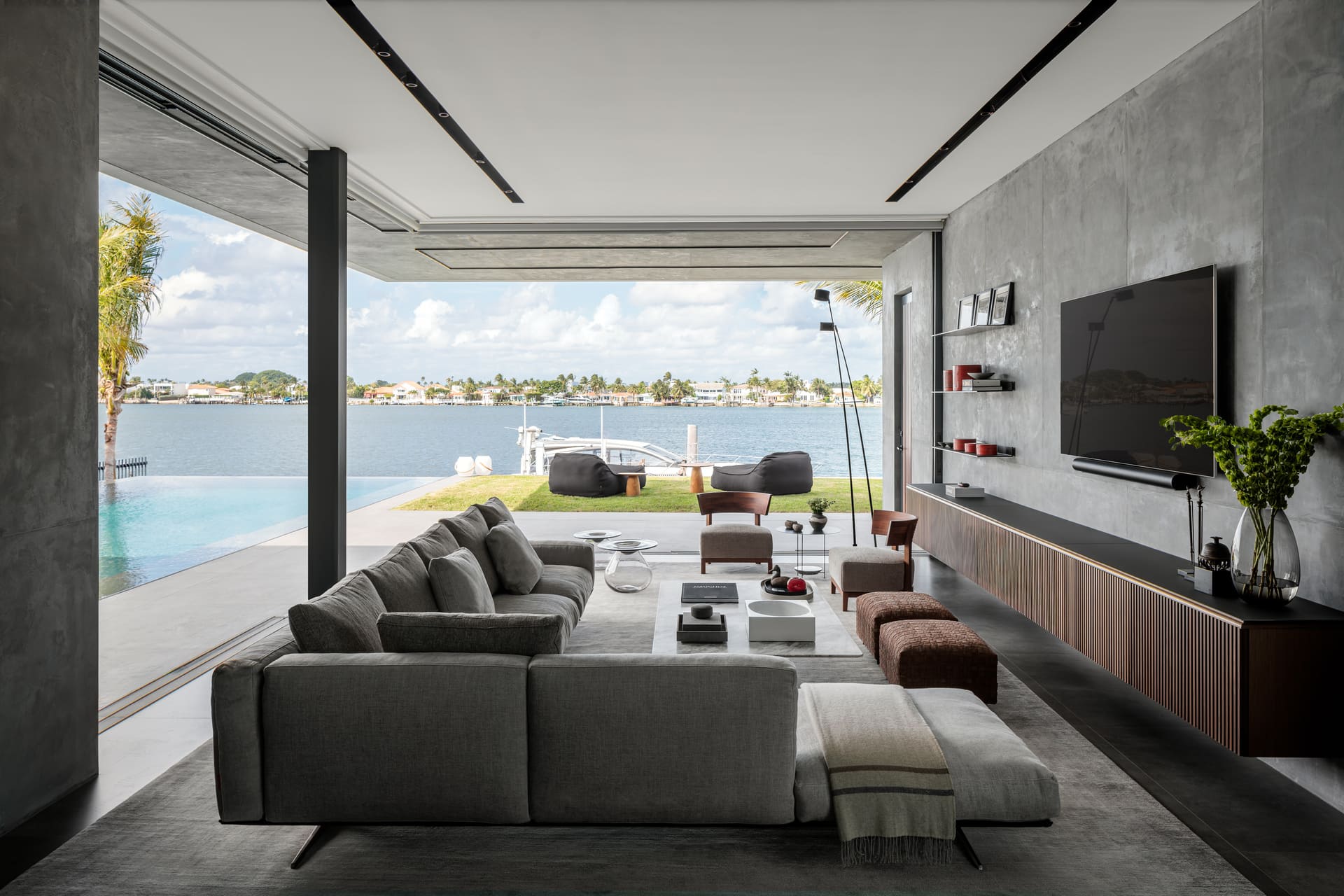
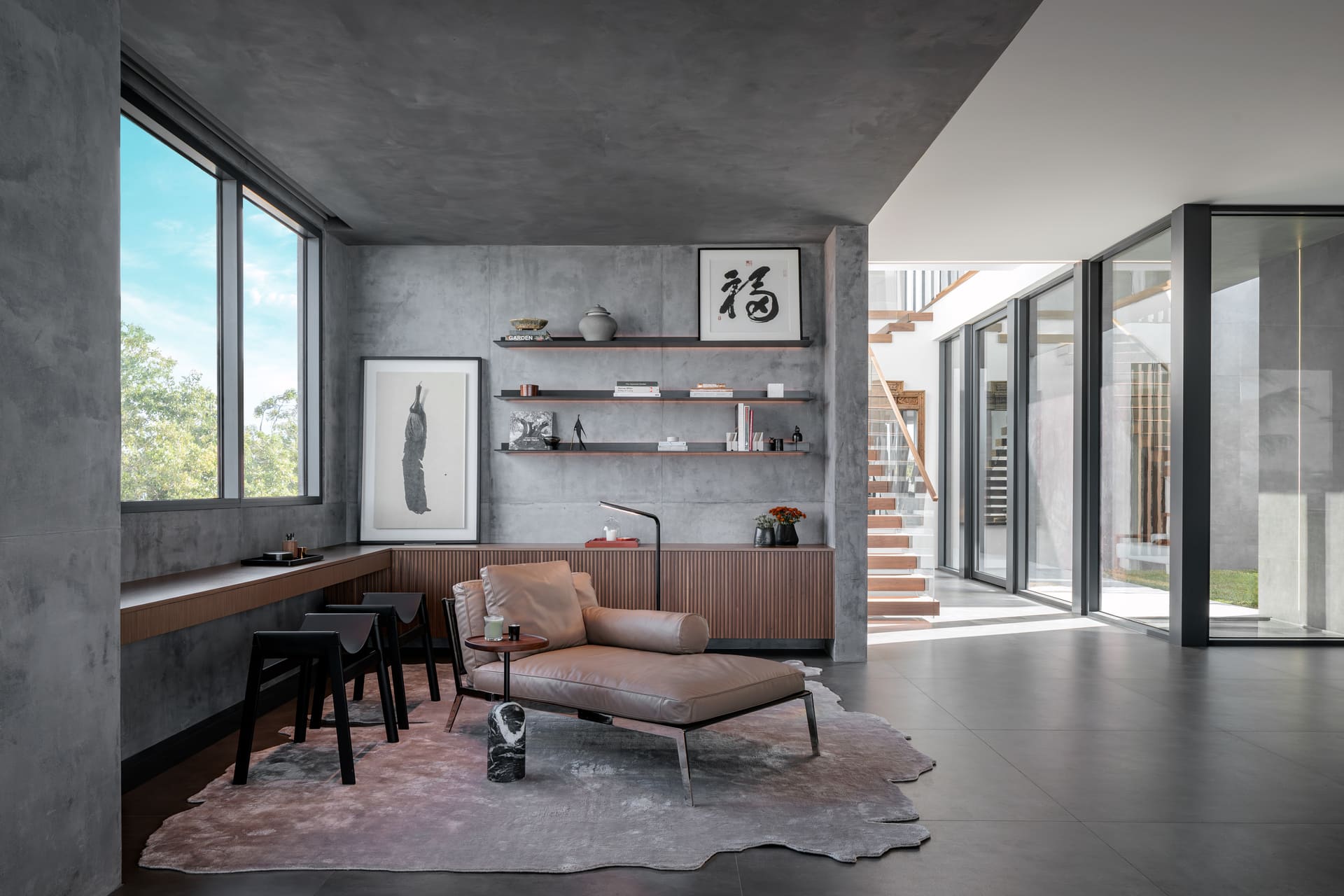
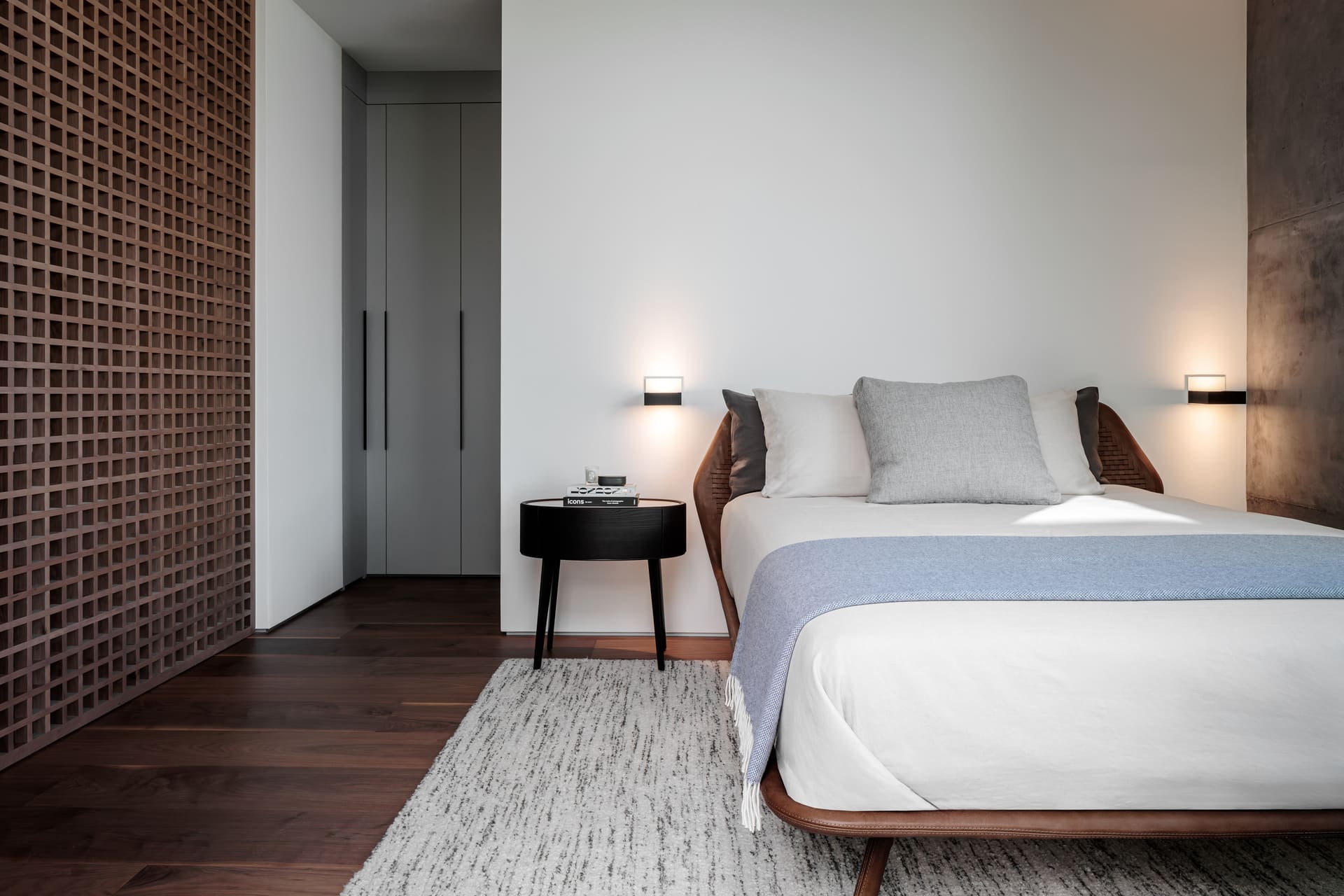
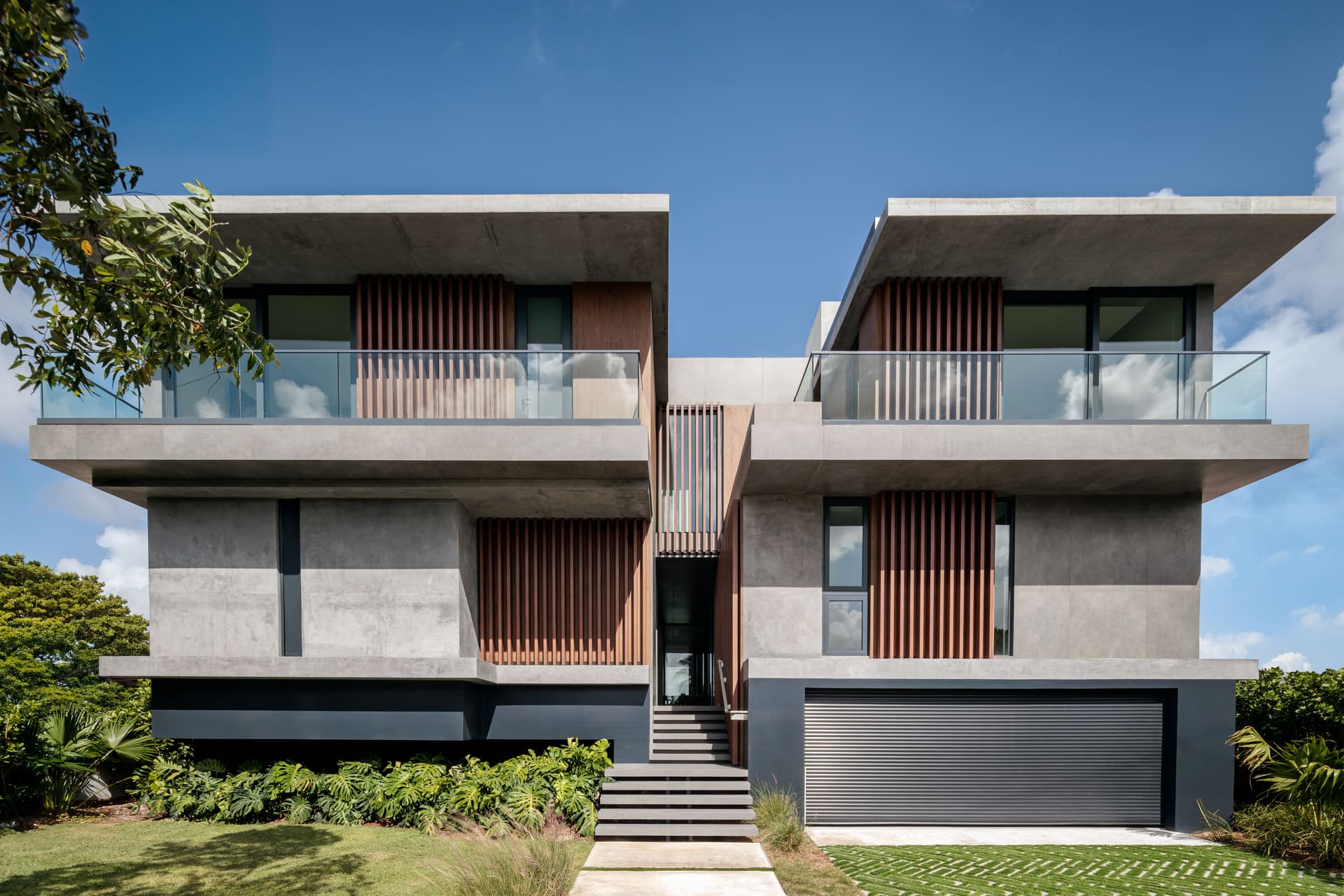
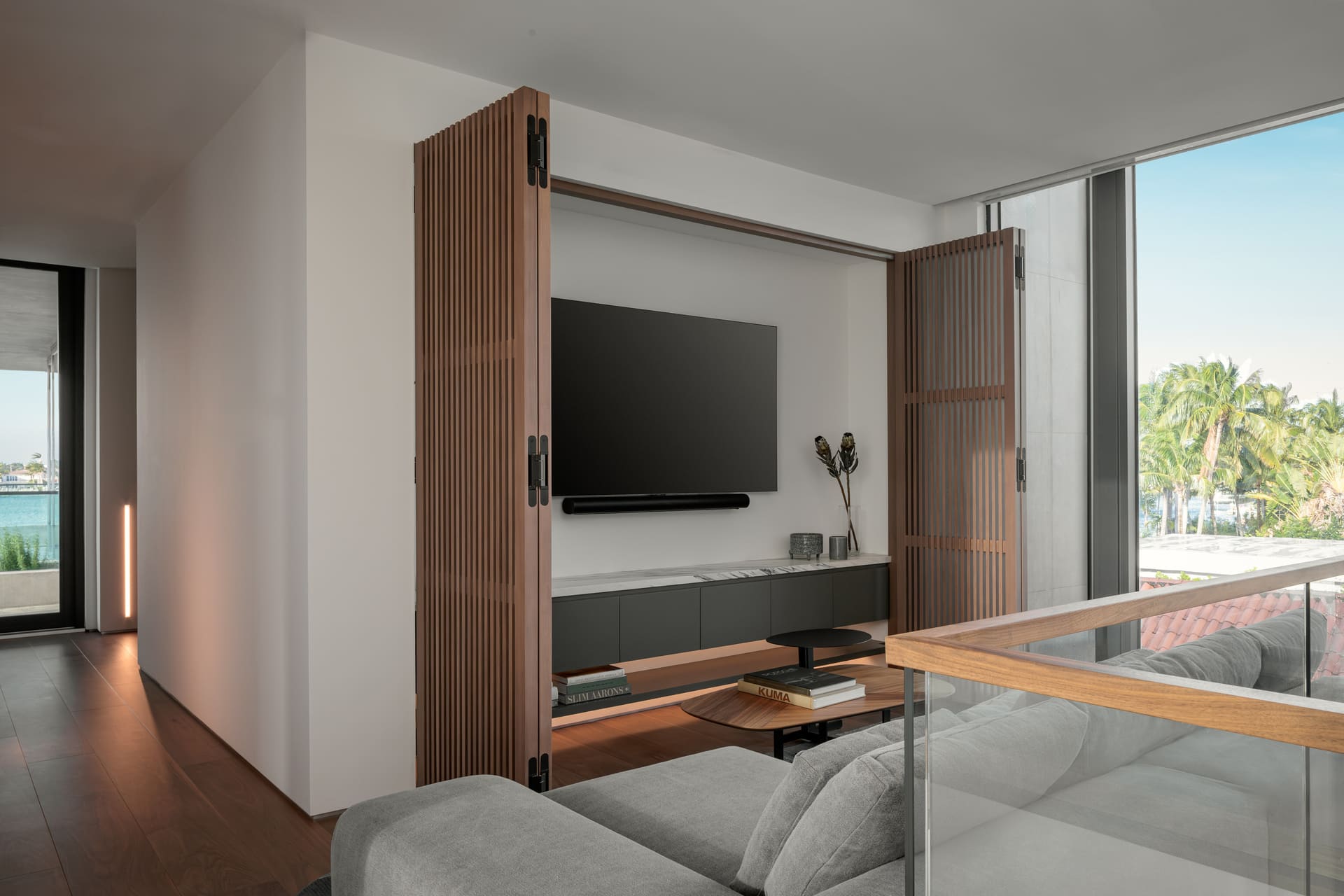
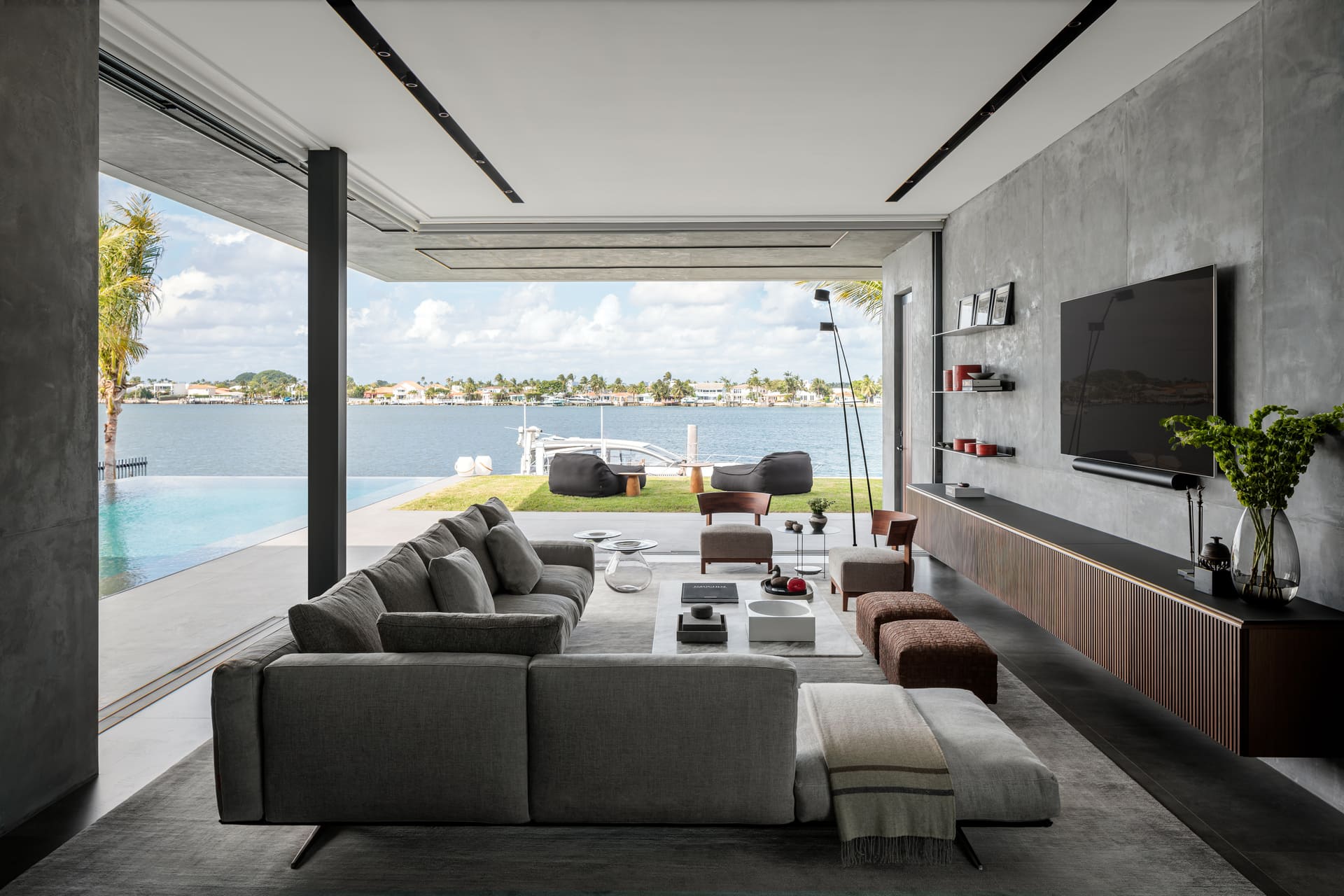
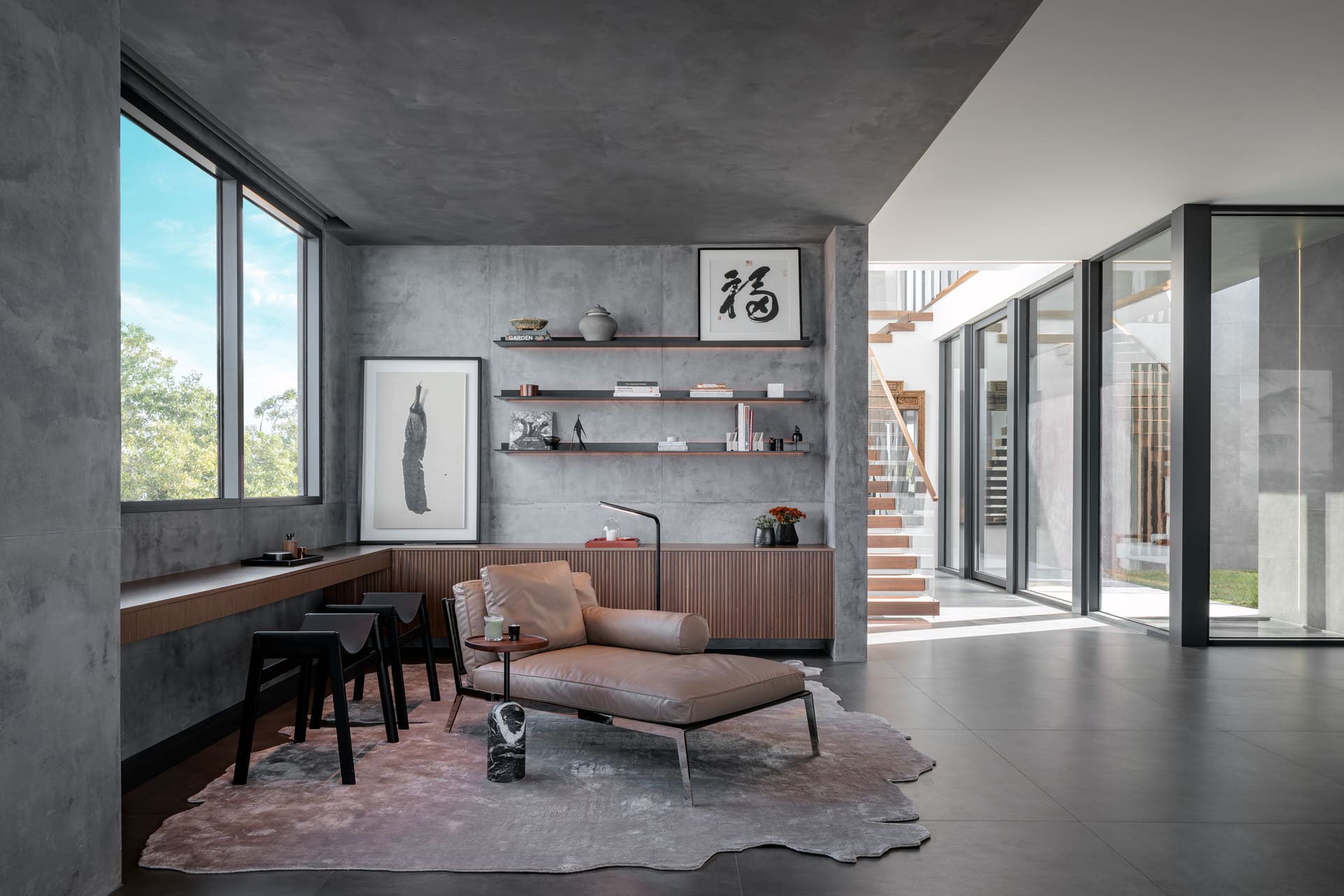
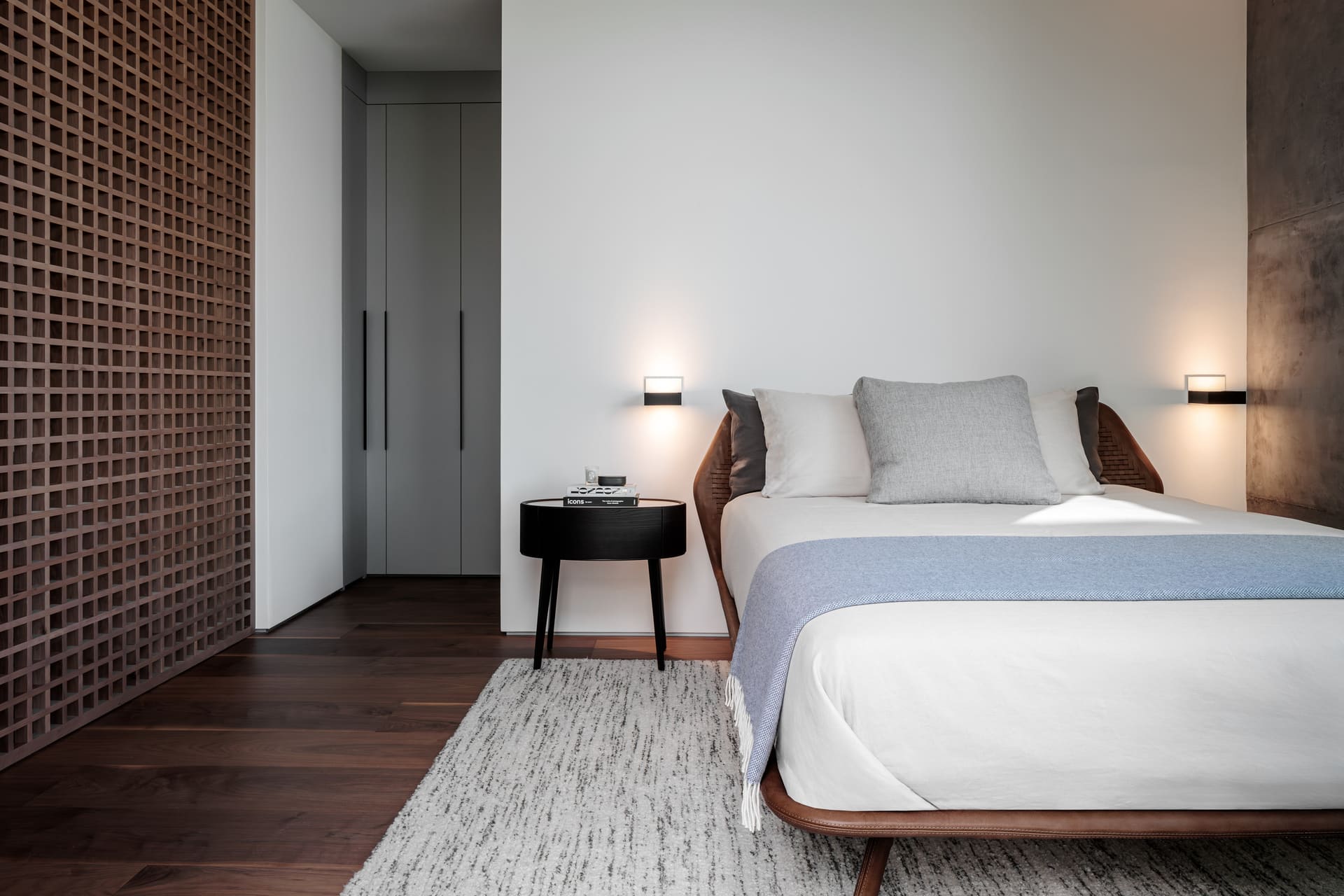
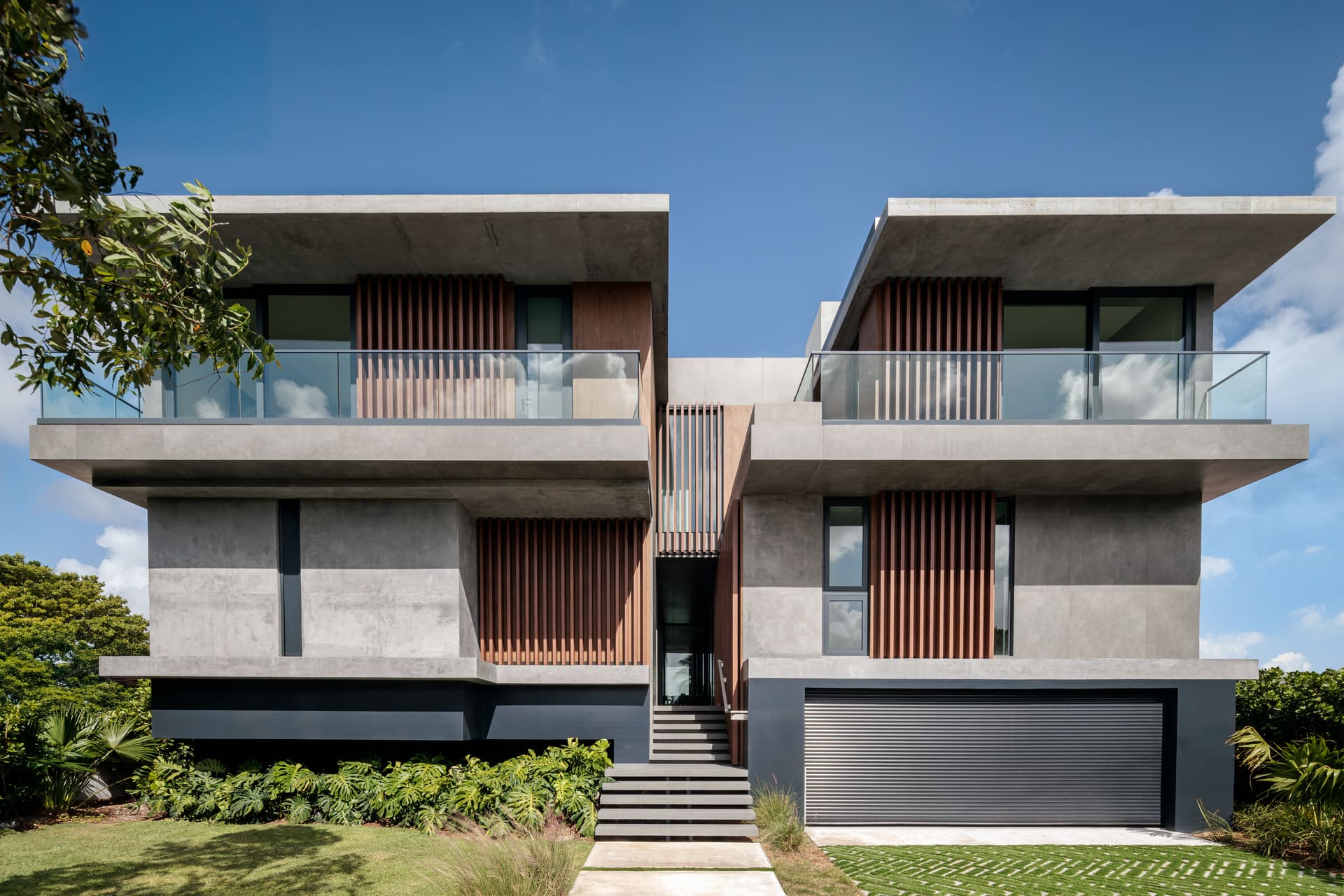
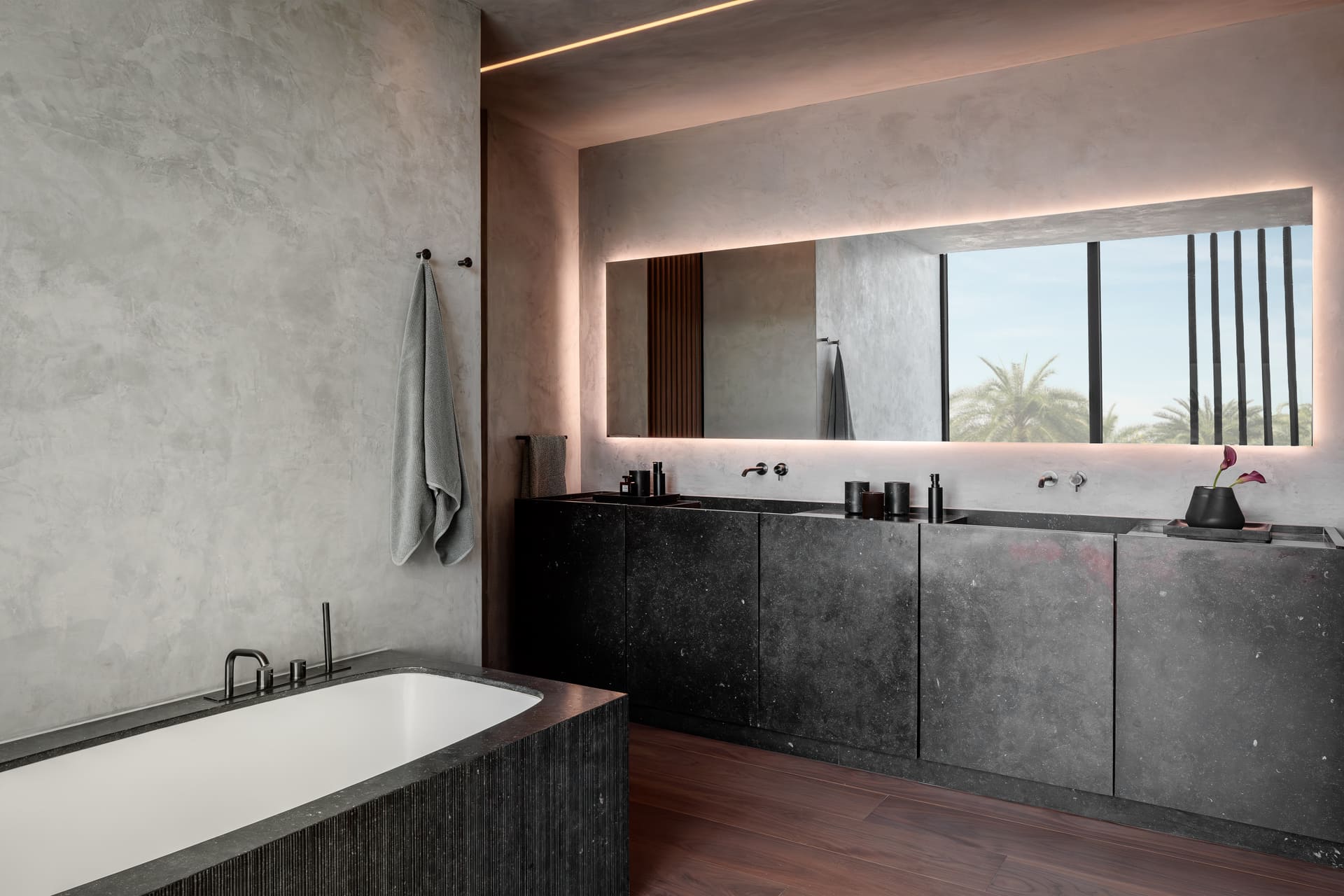
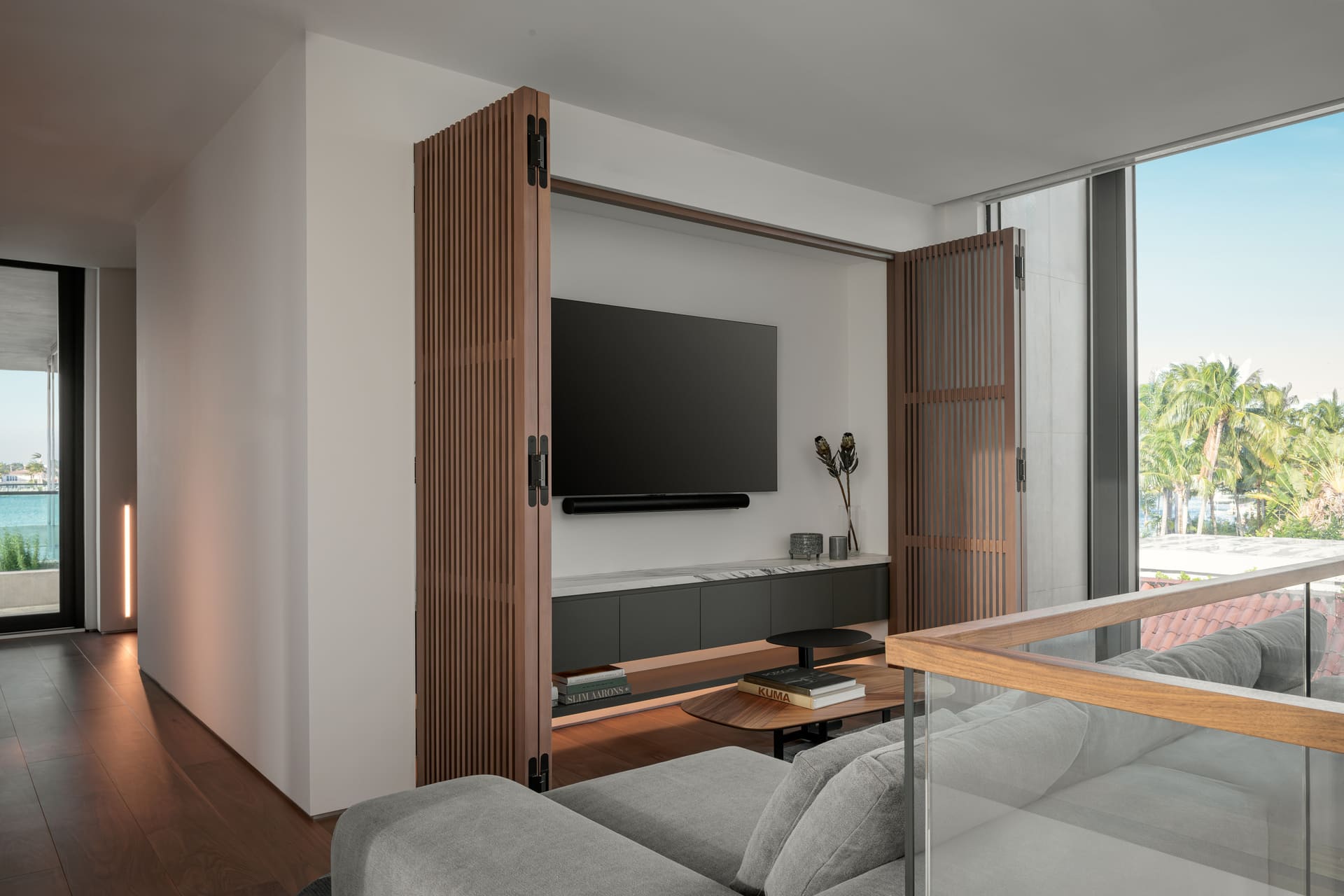
Conceived as a modern yet enduring home, Cossu is grounded in a minimalist architectural language softened through material choice and lighting strategy. The project explores the balance between raw and refined surfaces, pairing clean lines with natural materials such as wood and stone. These elements establish a tactile counterpoint to the home’s precise geometry and contribute to a sense of warmth often absent in minimalist residential architecture.
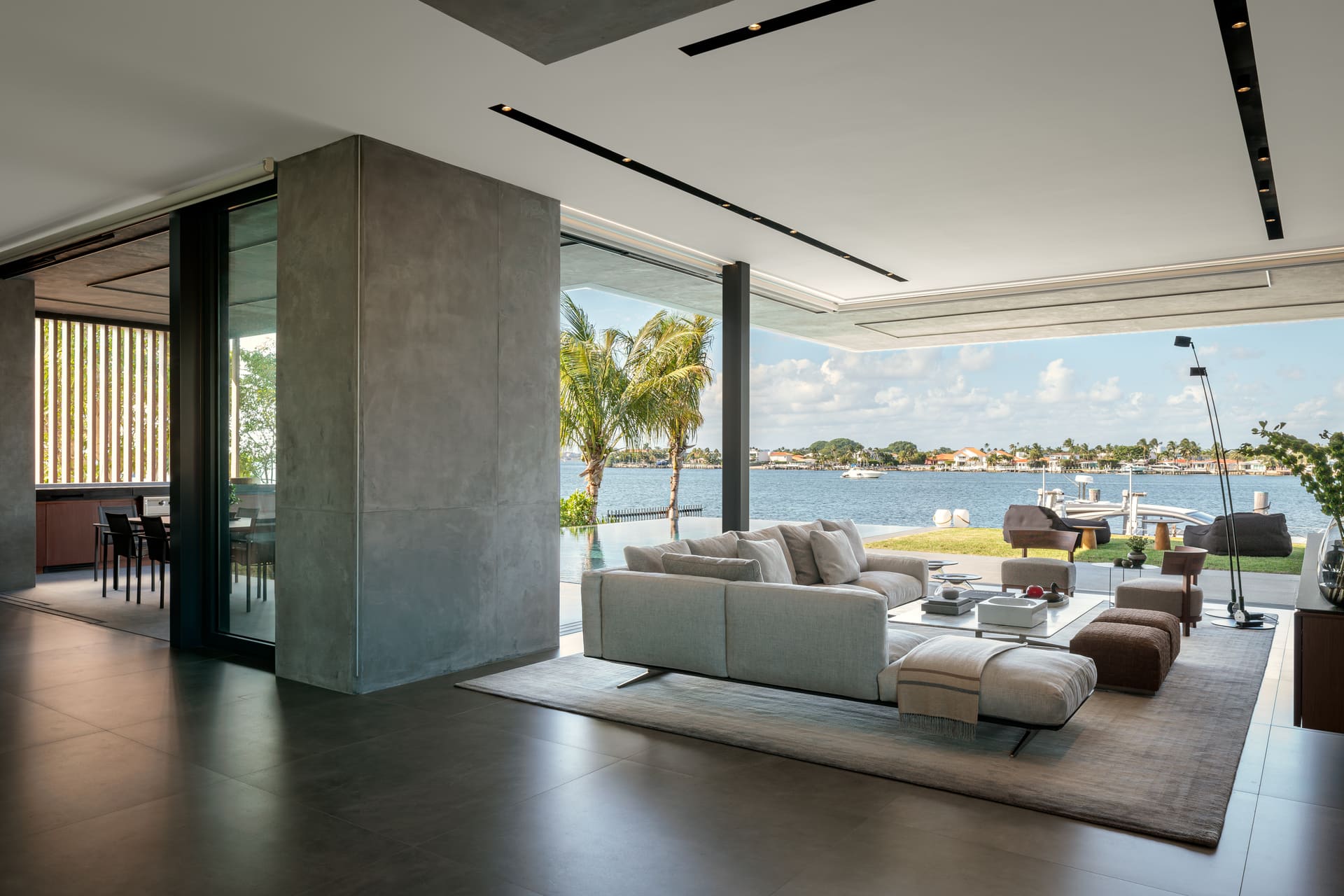
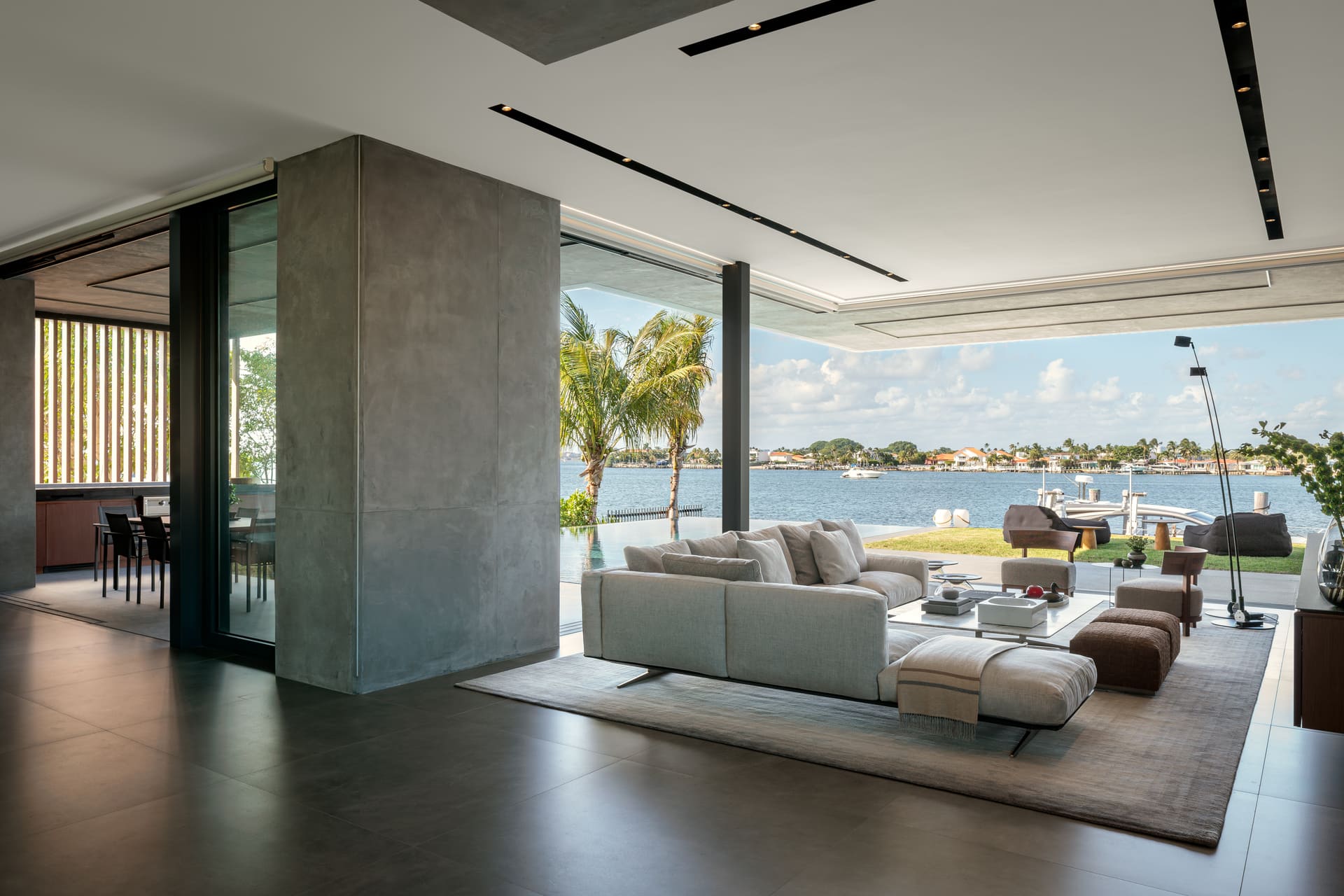
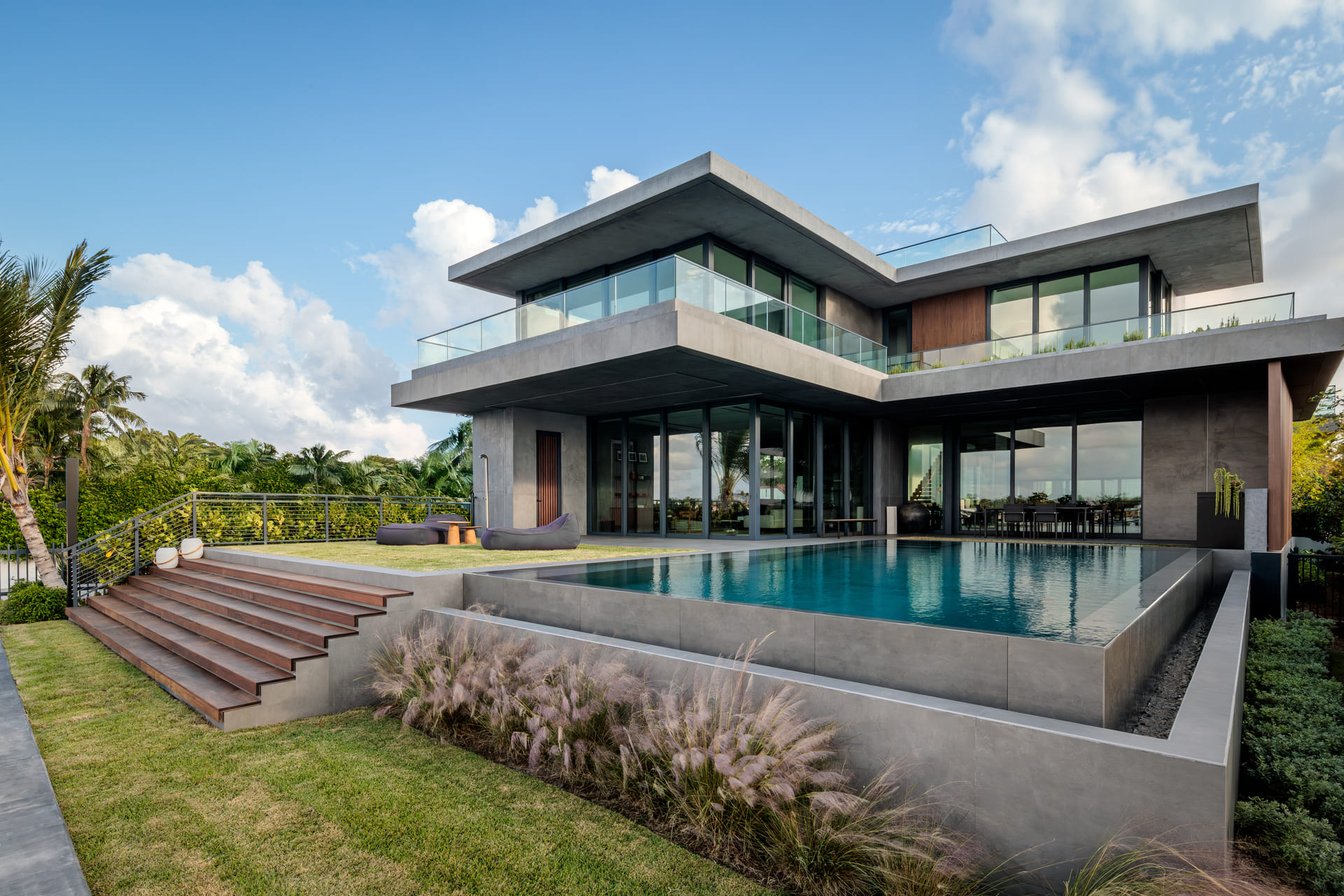
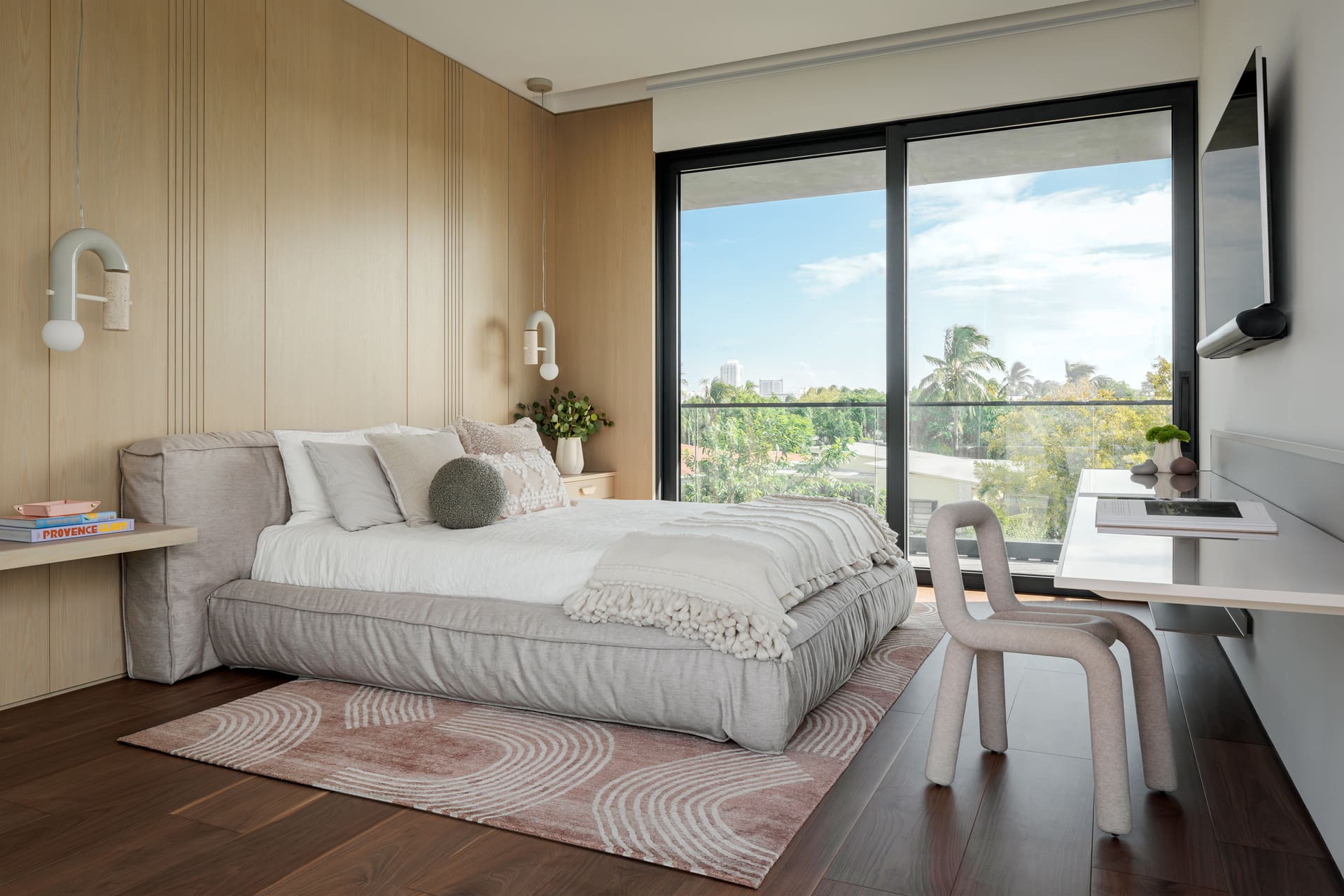
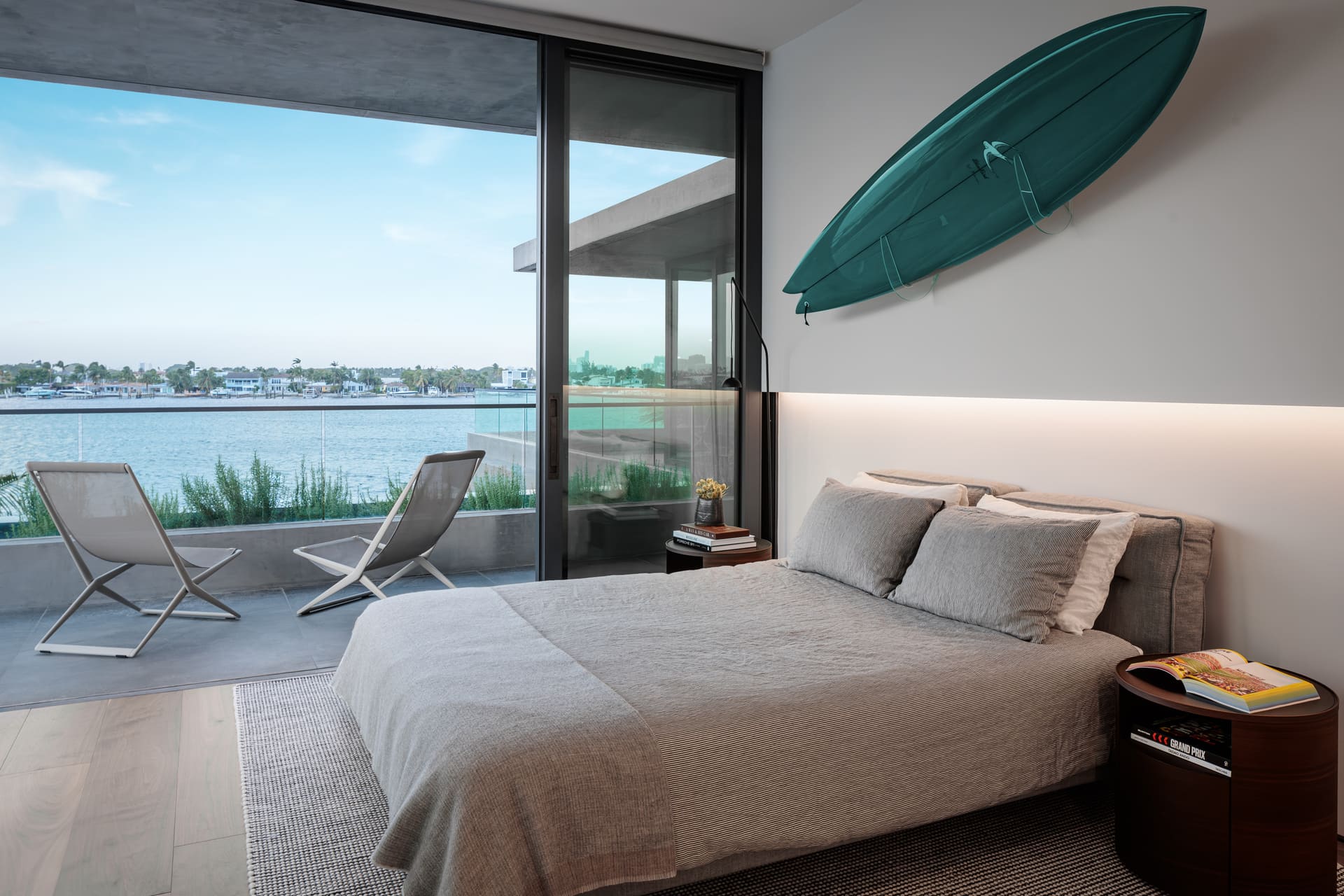
A defining aspect of the project is its emphasis on interconnected spaces. Interior and exterior areas are organized to flow seamlessly into one another, reinforcing a strong relationship with the surrounding coastal environment. Landscape architecture is not treated as a separate layer but as an extension of the architectural concept, supporting visual continuity and environmental integration. Openings, terraces, and transitional zones encourage natural light, ventilation, and outdoor use, while maintaining privacy and clarity of form.
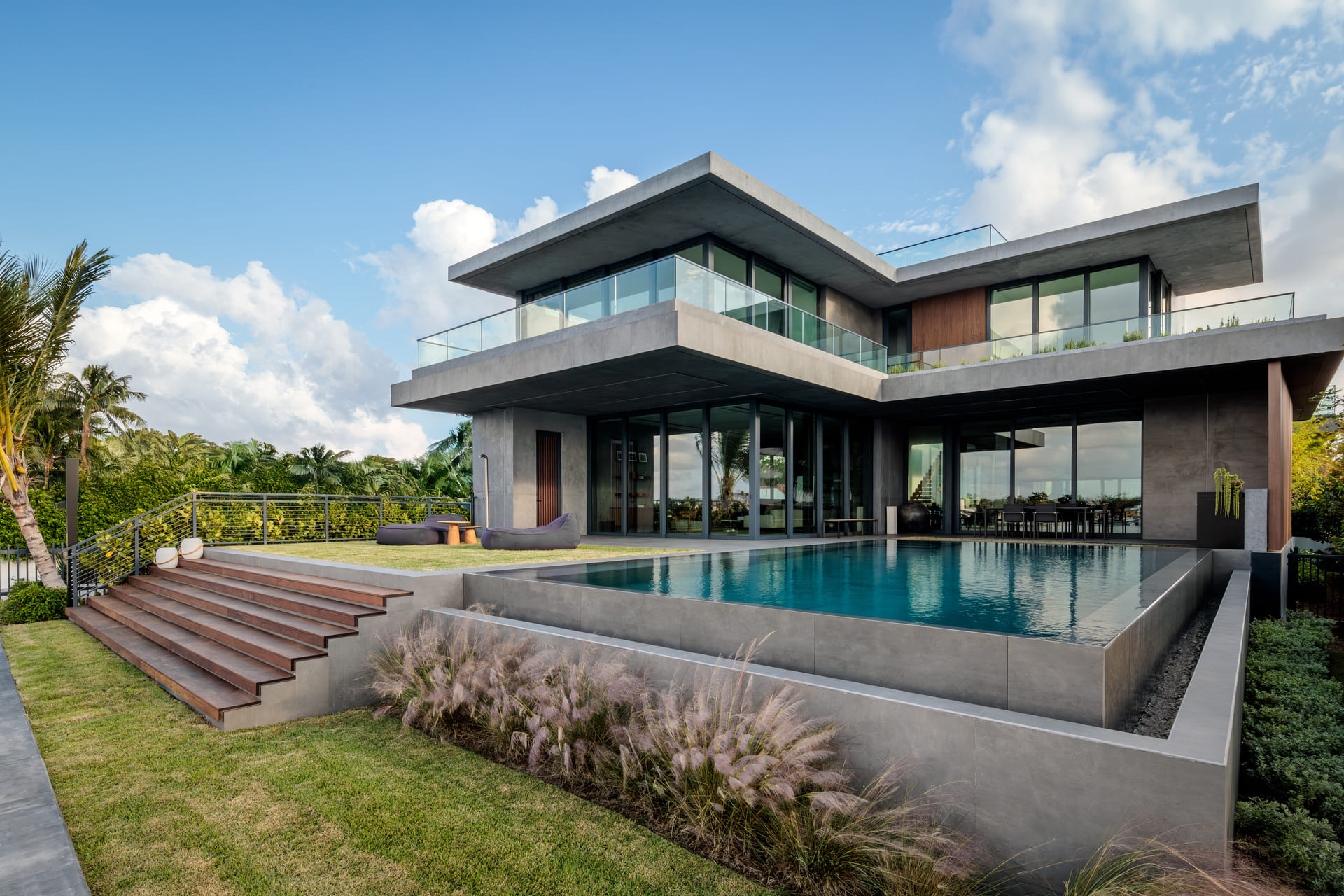
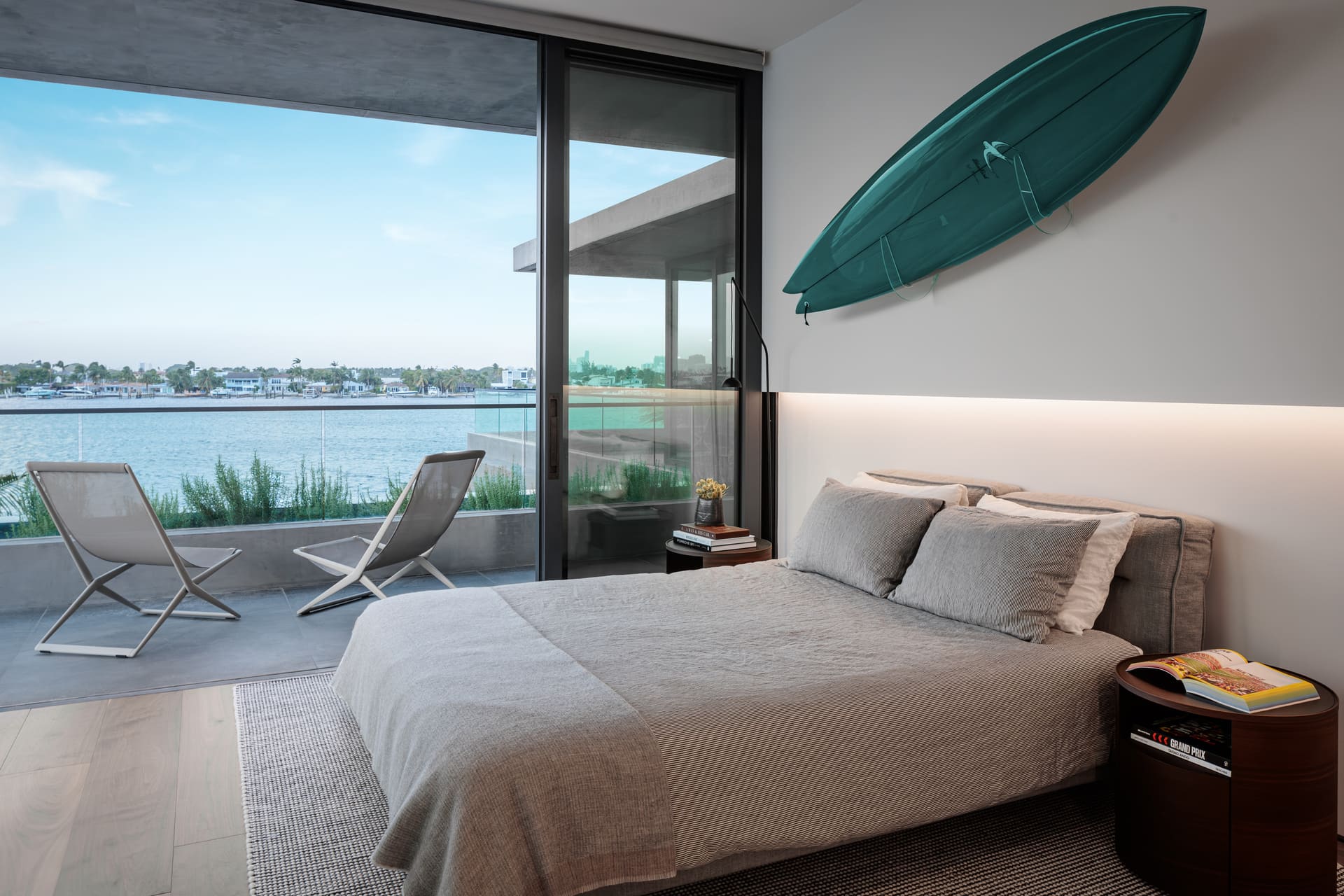
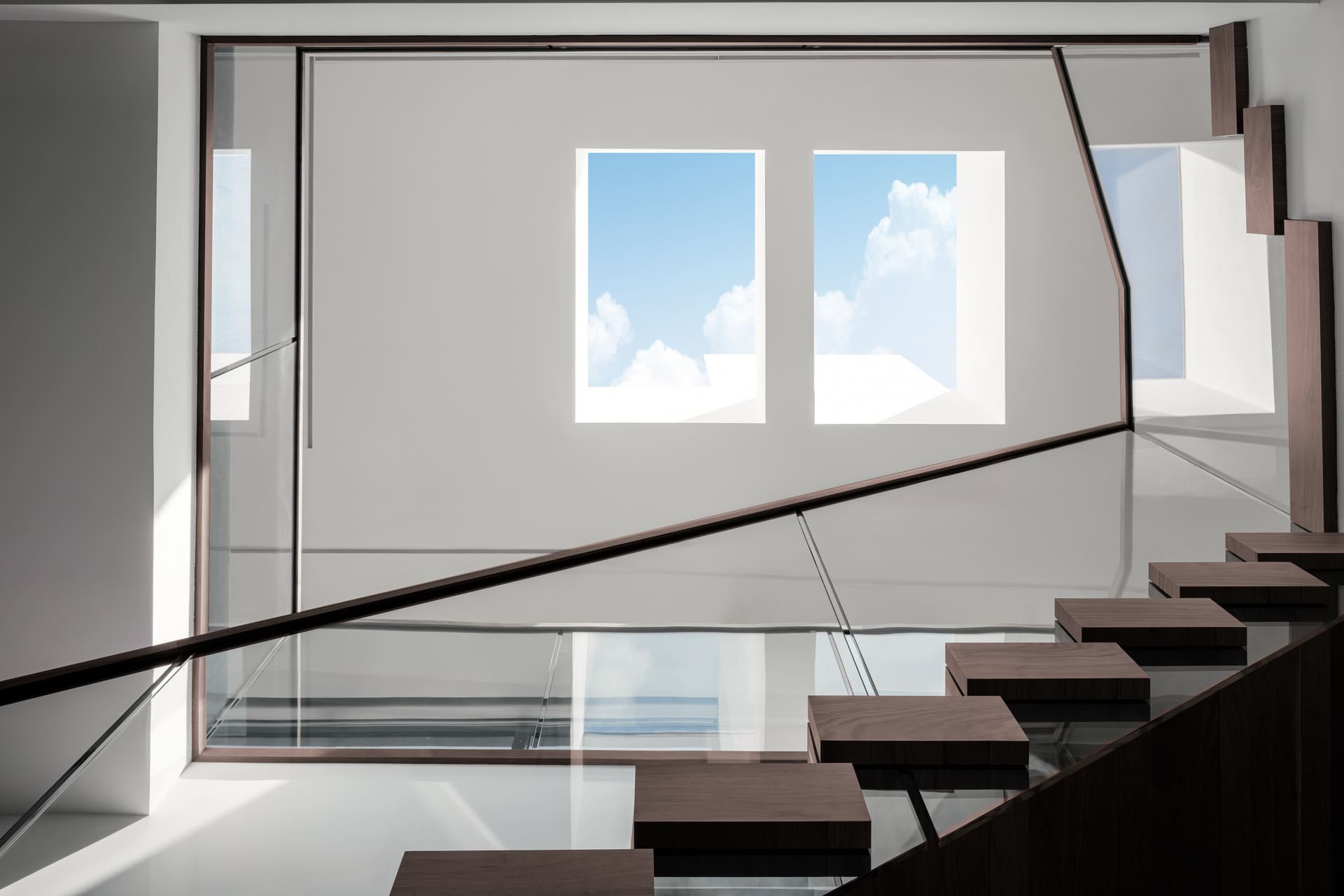
Lighting is used as an architectural tool rather than a purely decorative element. Integrated lighting systems are embedded throughout the structure to articulate volumes, emphasize material transitions, and support different modes of inhabitation throughout the day. This approach becomes especially evident in response to one of the project’s key technical challenges: the incorporation of large structural beams required to support an extended cantilever. The structural demands limited ceiling plenum space, creating constraints on traditional mechanical and lighting systems.
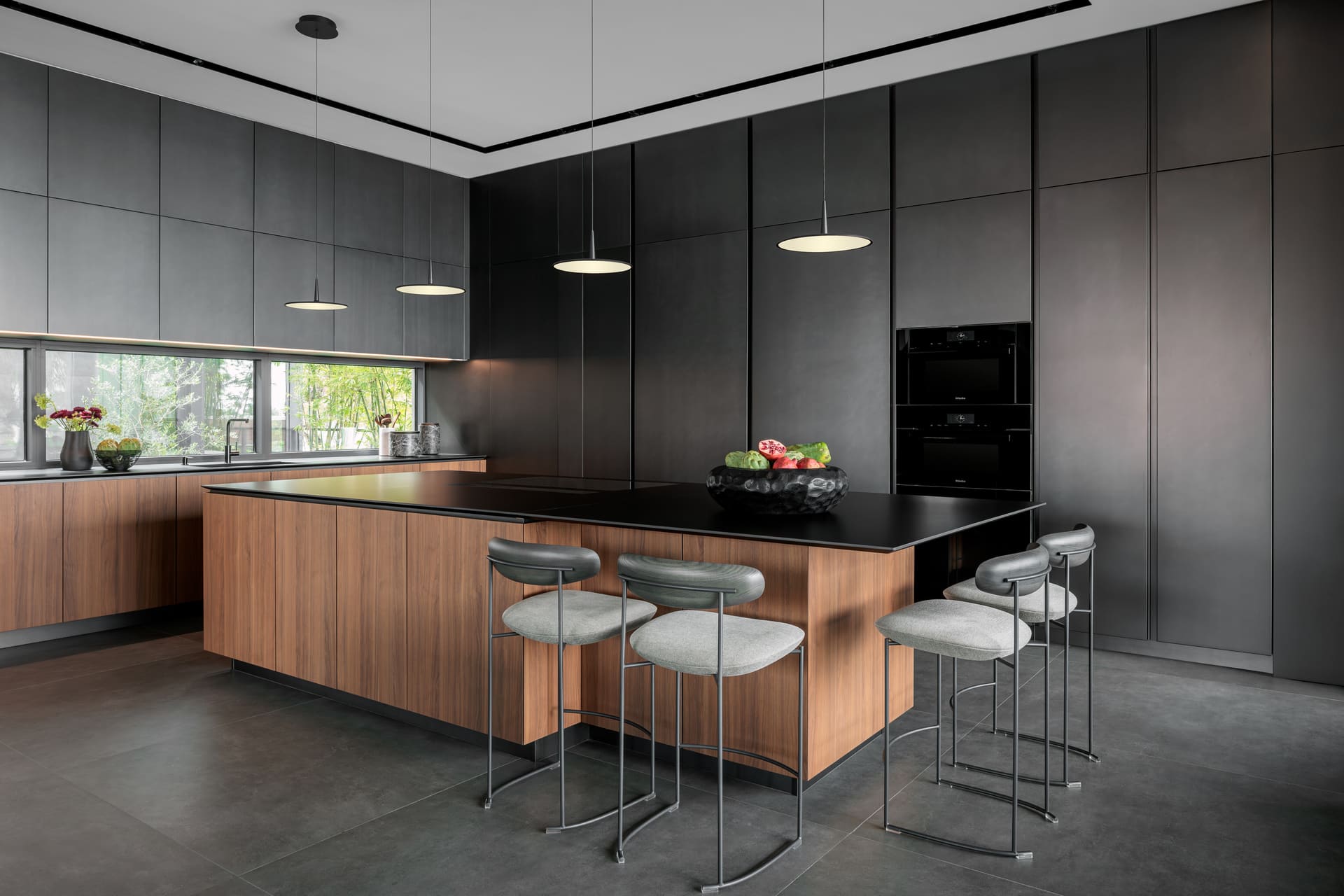
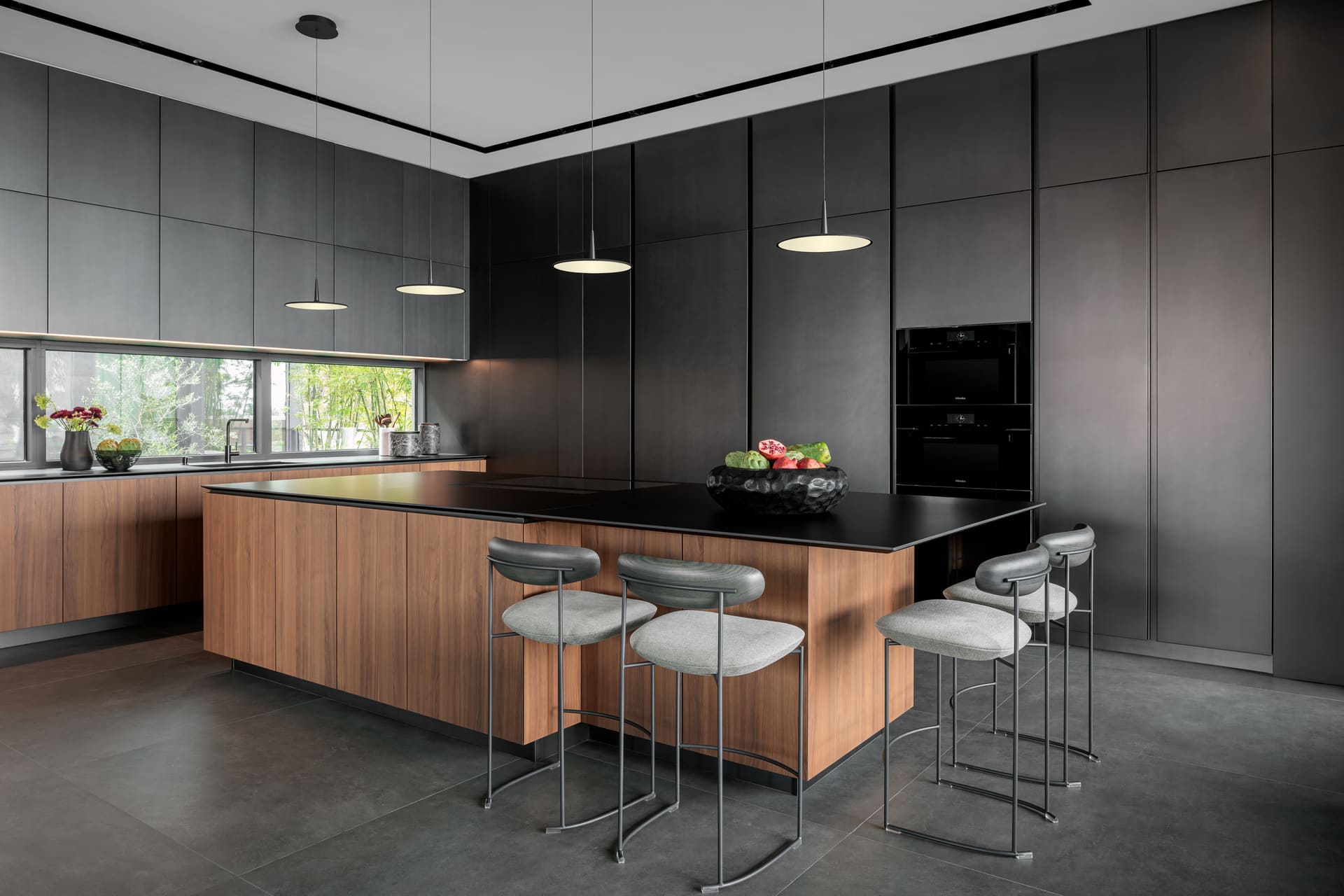
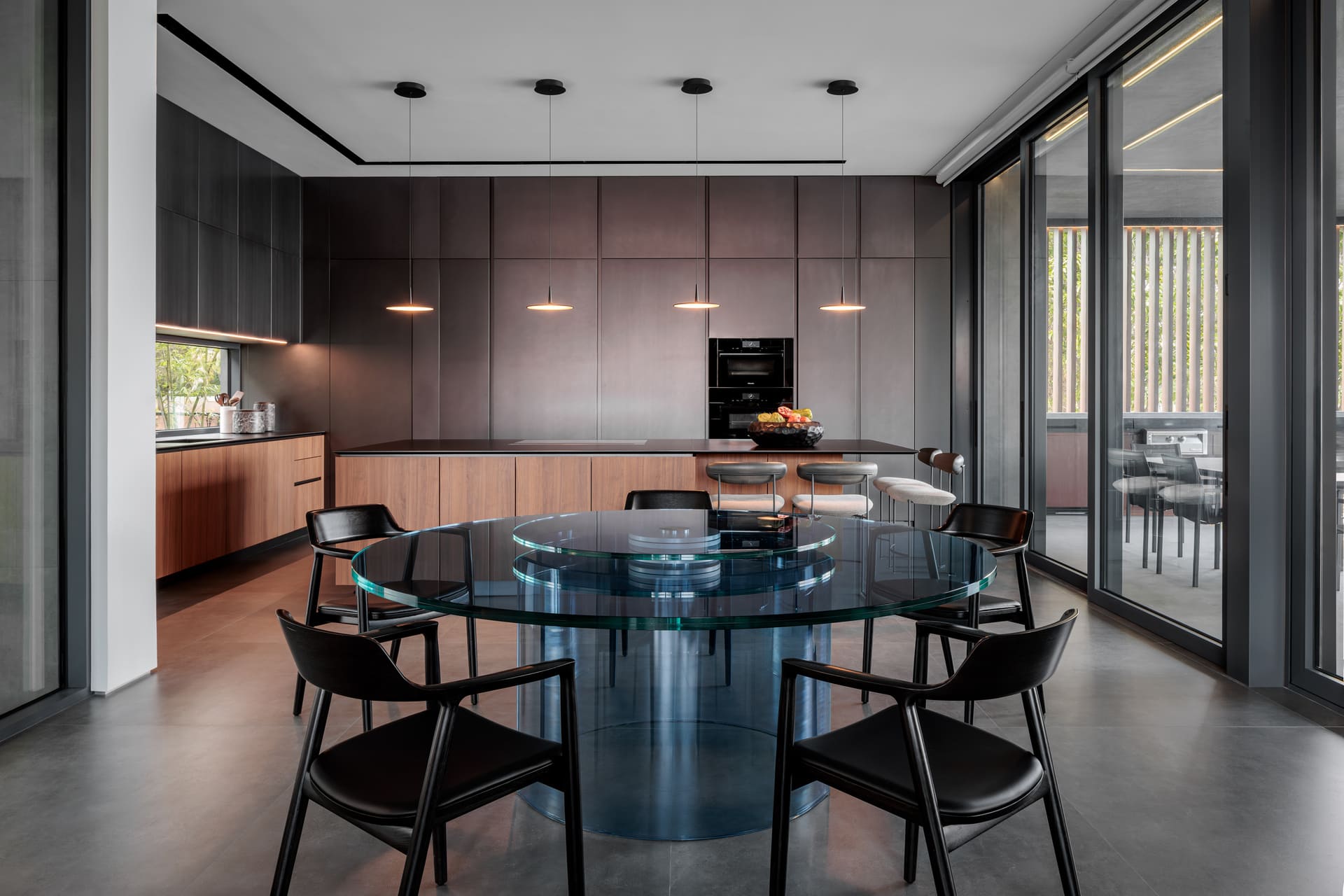
STRANG addressed this condition through a custom lighting solution in the dining area, where a constellation-like arrangement of small fixtures replaces more conventional ceiling treatments. In the kitchen, slender pendant lights provide functional illumination without competing with the architecture. These interventions allow the ceiling plane to remain visually light while accommodating significant structural requirements, demonstrating how design constraints informed, rather than compromised, the final outcome.
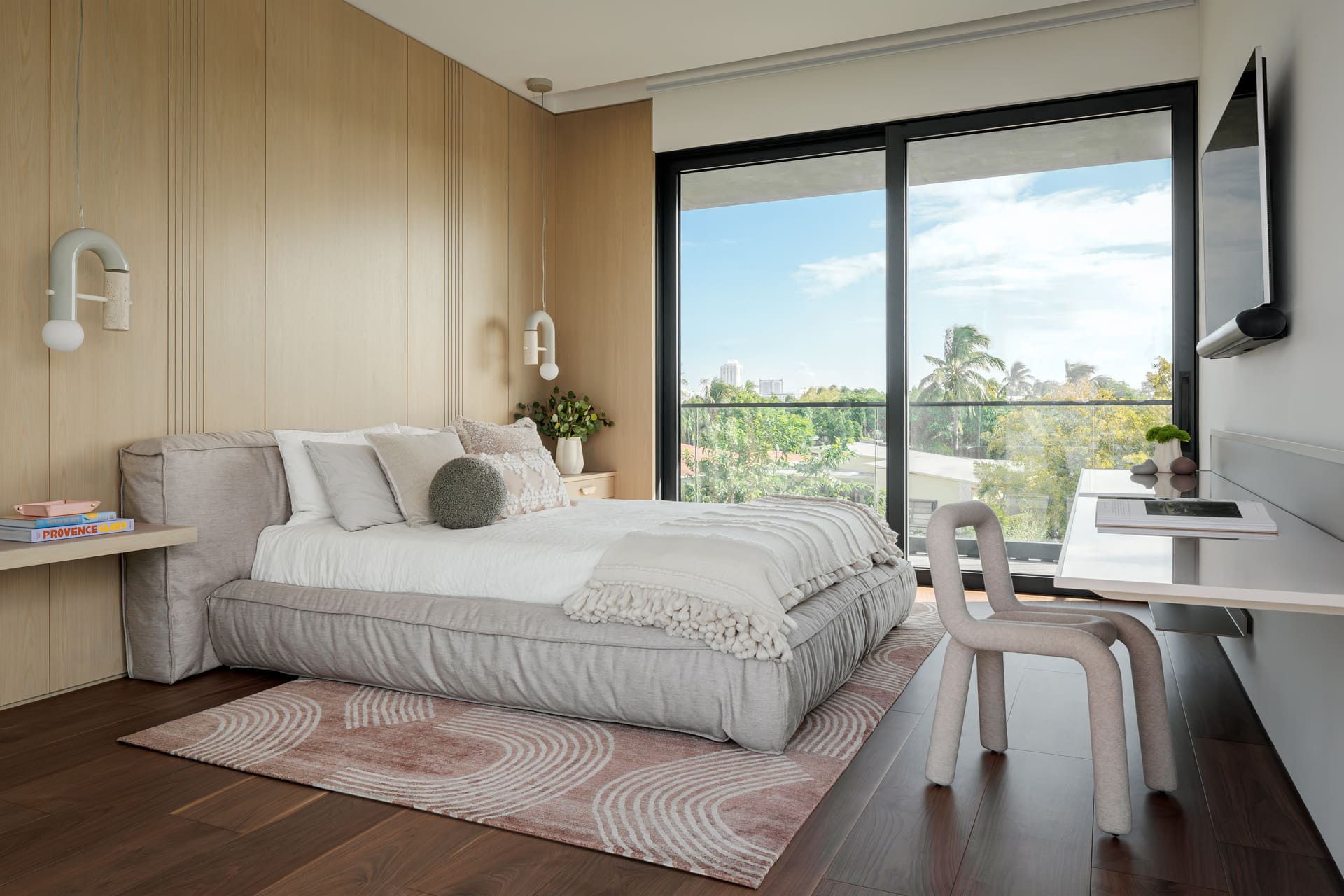
Material performance and durability were central considerations, given the coastal context. High-performance materials were selected to withstand humidity, salt air, and long-term wear, while maintaining a restrained aesthetic. Smart home systems were incorporated to support energy efficiency and occupant comfort, though they remain largely unobtrusive within the overall design.
According to Elizabeth Starr, AIA, Partner at STRANG, “This Miami Beach residence reflects the client’s aesthetic sensibilities and appreciation for modernism and minimalism, while thoughtfully responding to its coastal location, the challenges of sea-level rise, and the evolving landscape of the area.” The statement highlights the project’s attempt to reconcile architectural clarity with environmental realities increasingly central to South Florida design.
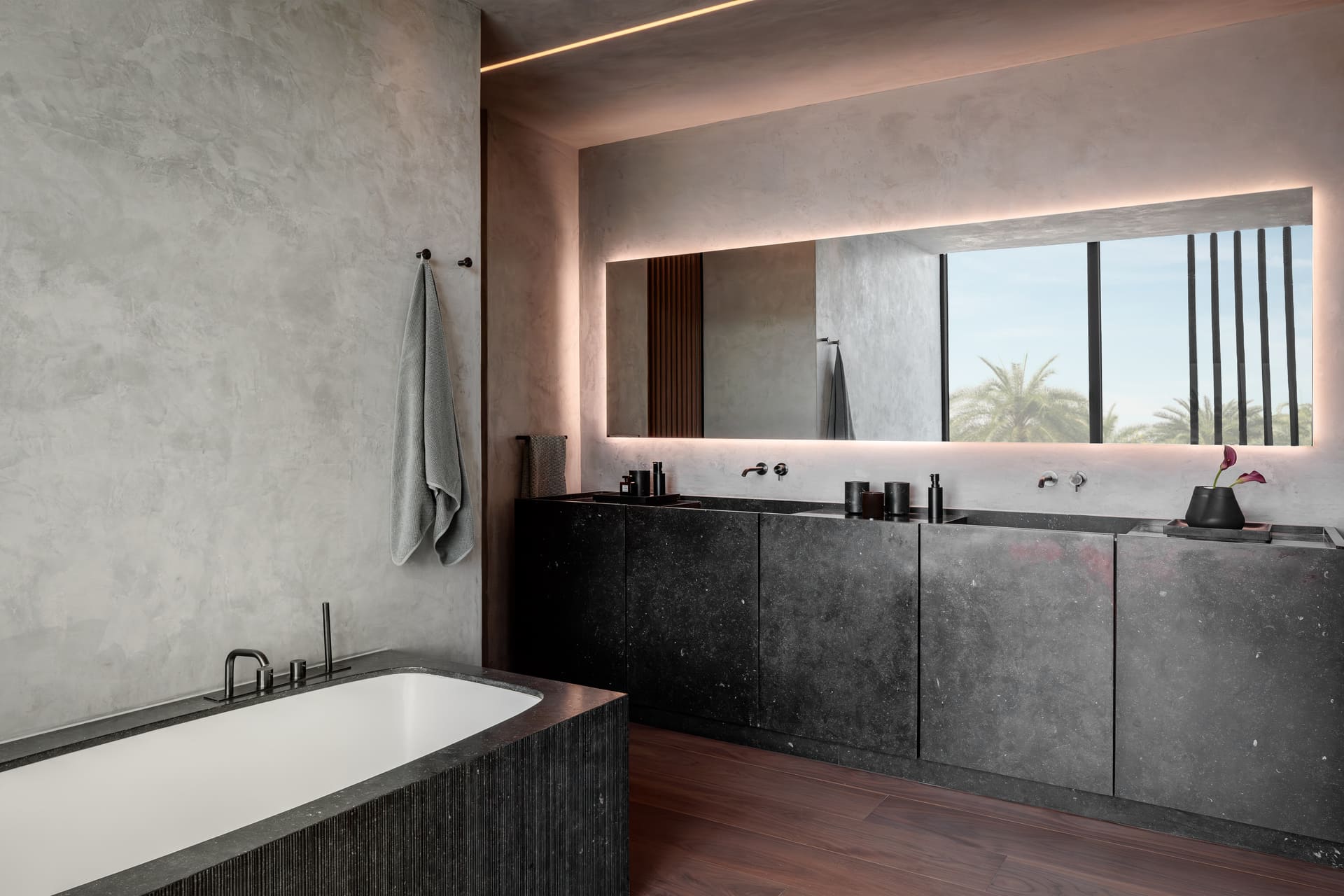
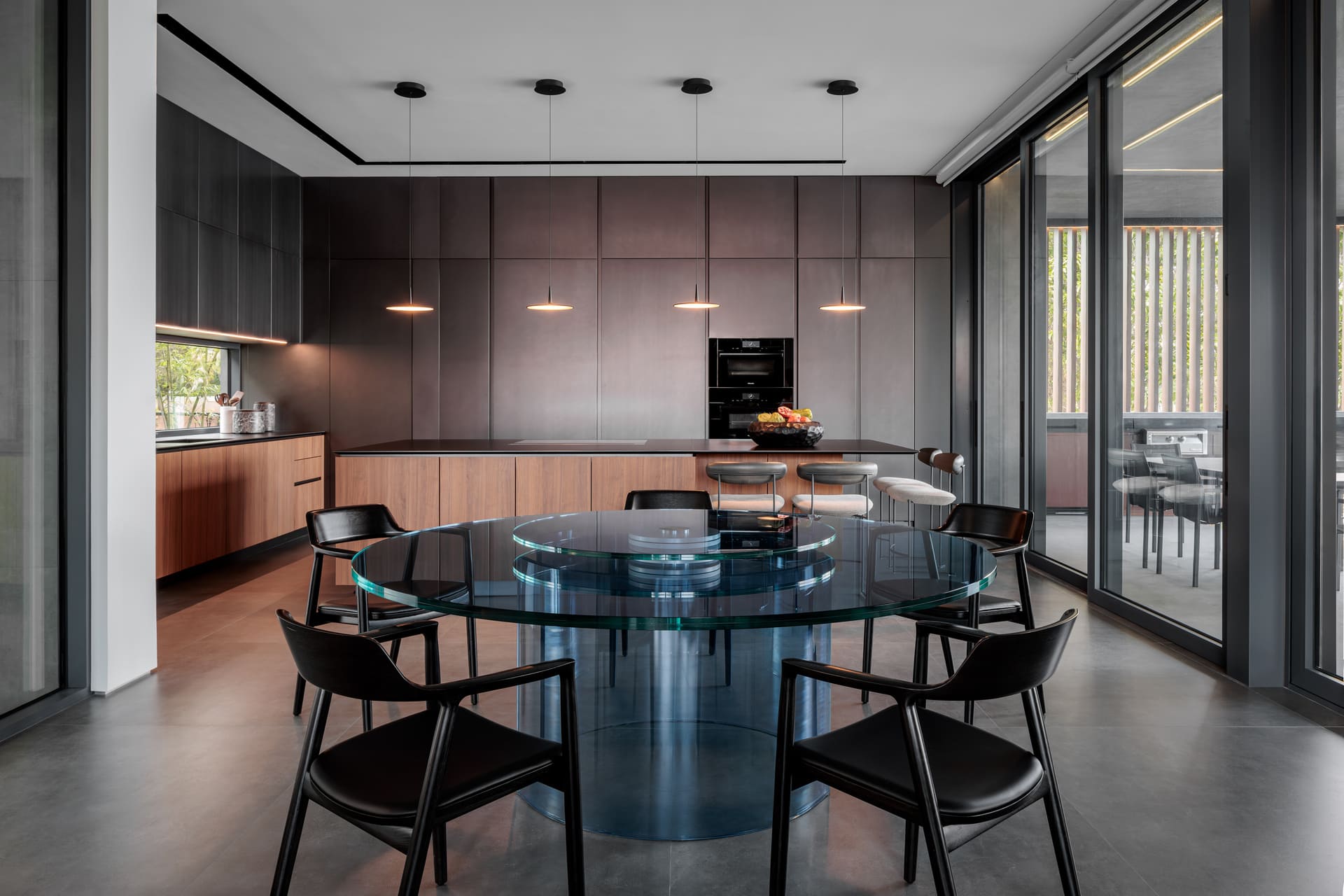
Cossu aligns with STRANG’s broader body of work, which is informed by the firm’s concept of Environmental Modernism – a framework that considers climate, site, and long-term resilience as integral to design. Rather than presenting a singular formal gesture, the residence is defined by cumulative decisions across structure, materials, lighting, and landscape. The result is a project that positions itself less as an icon and more as a case study in contemporary residential practice along the coast.


Once upon a time there were crafts workshops. Then came the advent of industrial design and mass production.