

The community magazine for the community
Powered by 
The community magazine for the community
Powered by
© Design Courier. Powered by Medelhan. Developed by Broadweb.80
| CANVAS OF PLANS & DRAWINGS |
INTERIOR & DÉCOR, but with a twist |
| HOTELS & RESTAURANTS, beyond mainstream |
Notes on ART |
| Into big AFFAIRS | INSIDERS |
| GLIMPSES | |
Keywords:
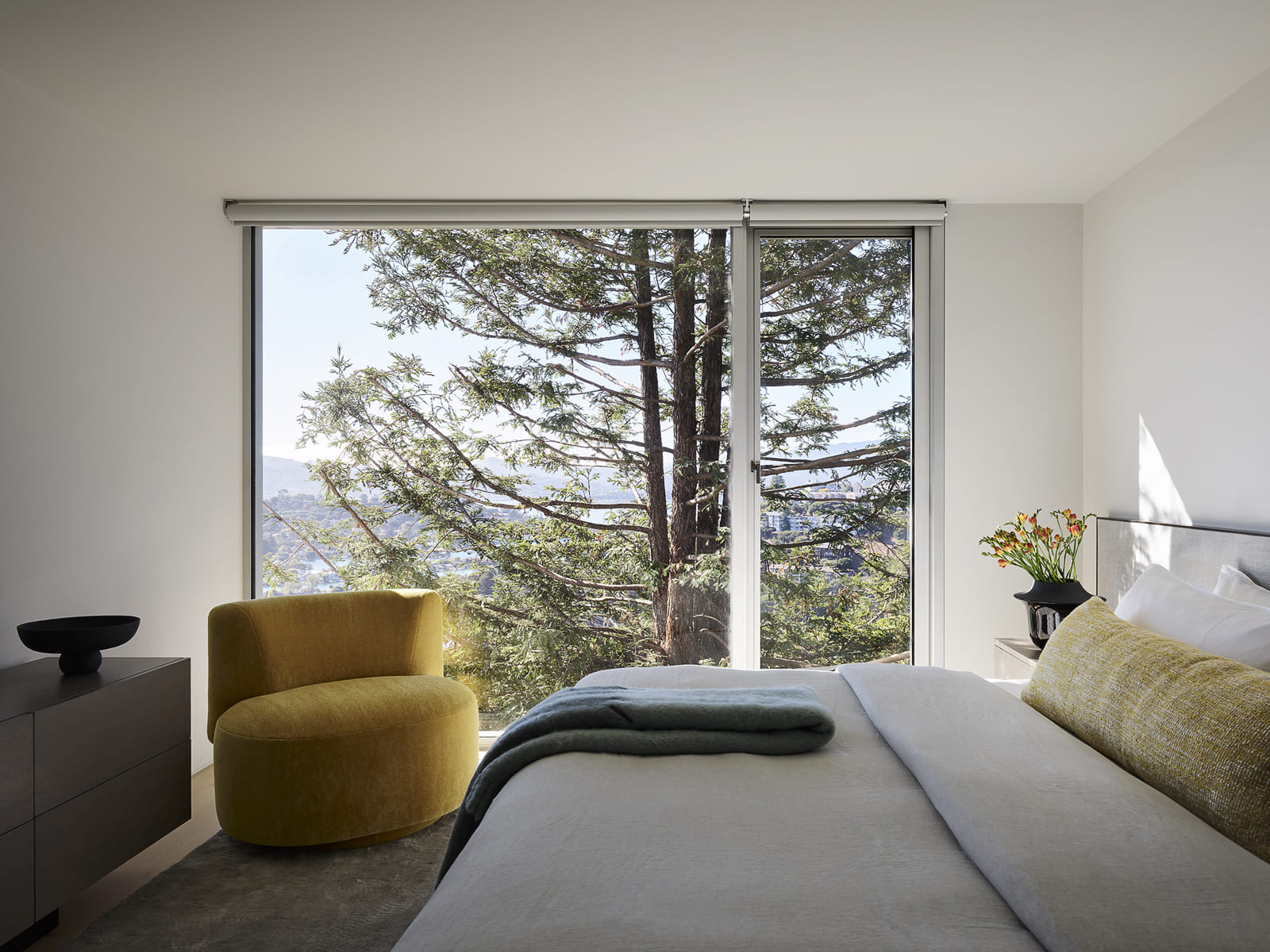
The challenge was formidable: the existing 4,753-square-foot residence, layered with multiple, incongruous renovations, had become visually and functionally fragmented. “Our first effort involved re-examining each floor to determine the specific deficiencies,” Swatt explains. “We discovered circulation patterns that were confusing and spaces that were disconnected to adjoining spaces with related functions. Our first design effort was to correct all of these deficiencies by establishing clear and understandable circulation, and creating an open plan, with fewer walls.” The result is a home that reads as a cohesive composition, each level intelligible and harmonized, yet orchestrated to deliver a dramatic spatial narrative.
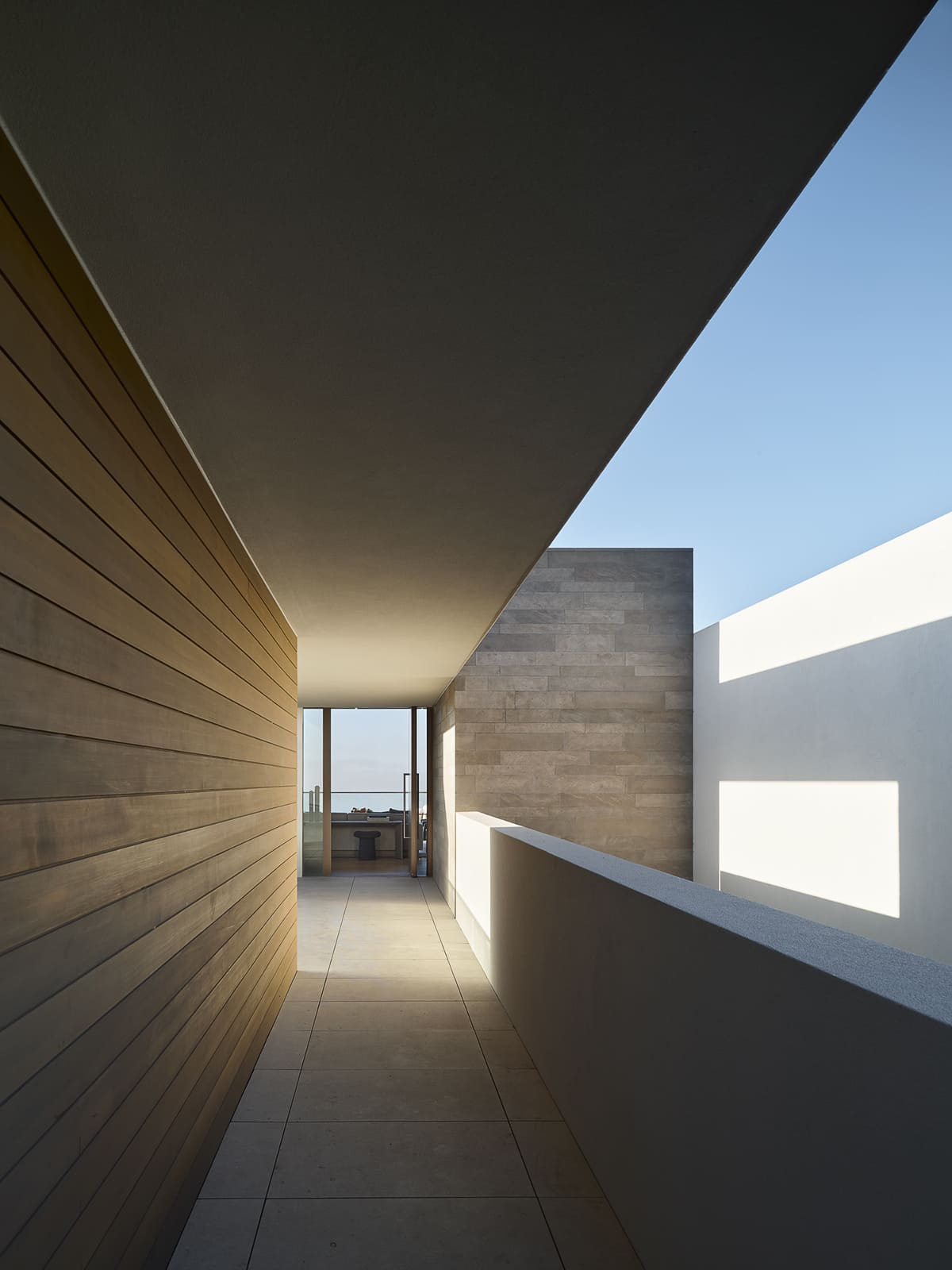
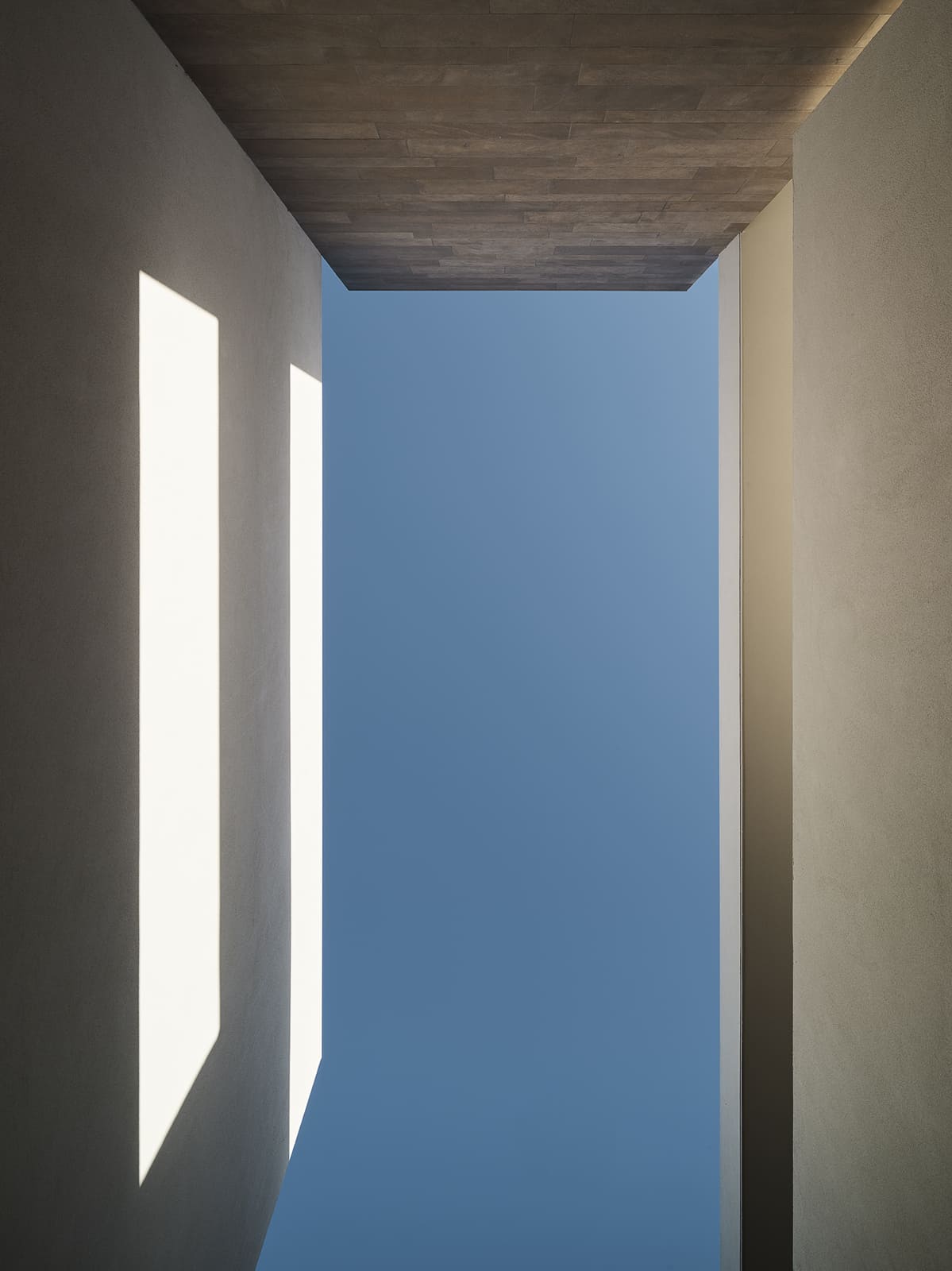
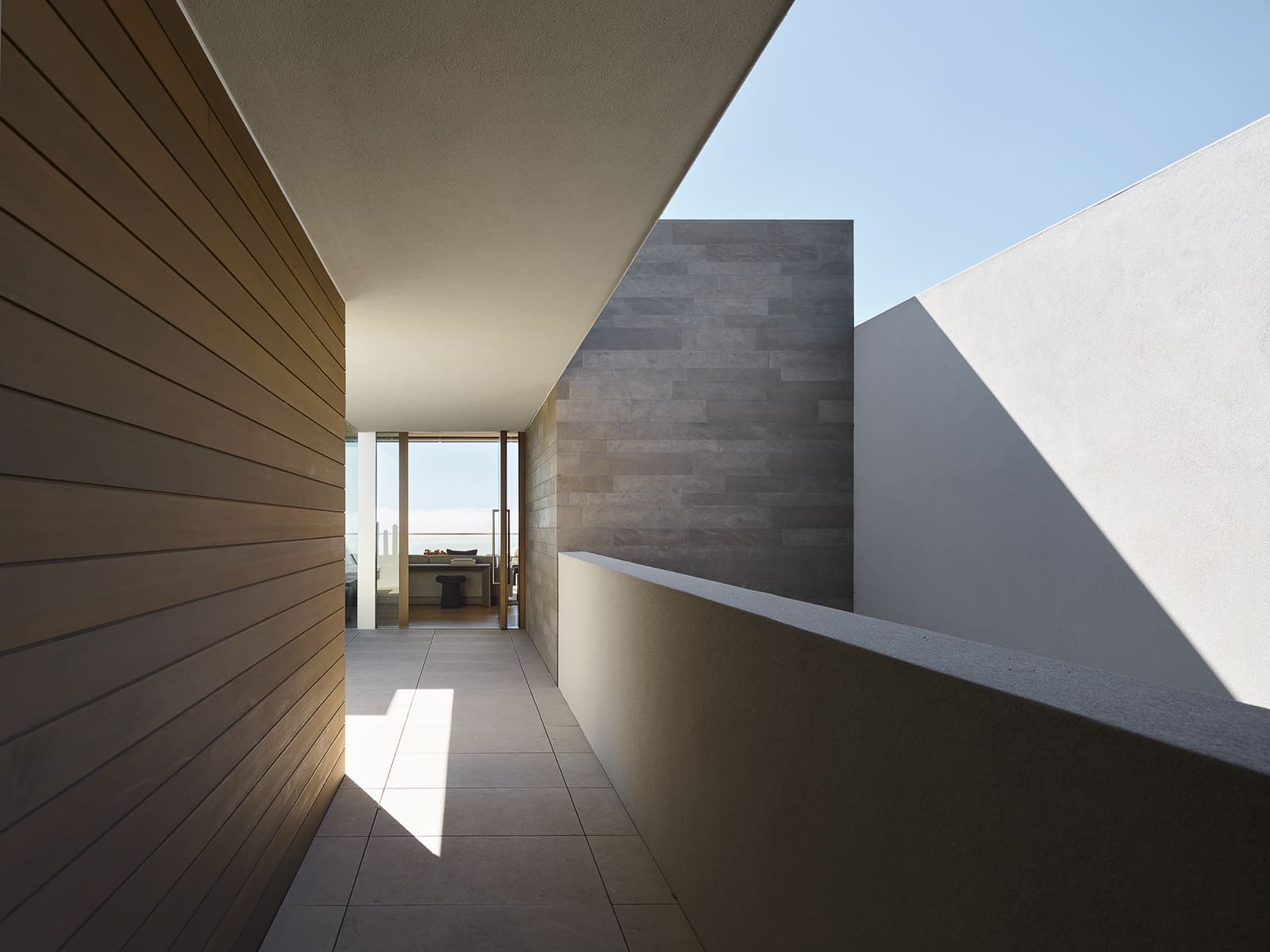
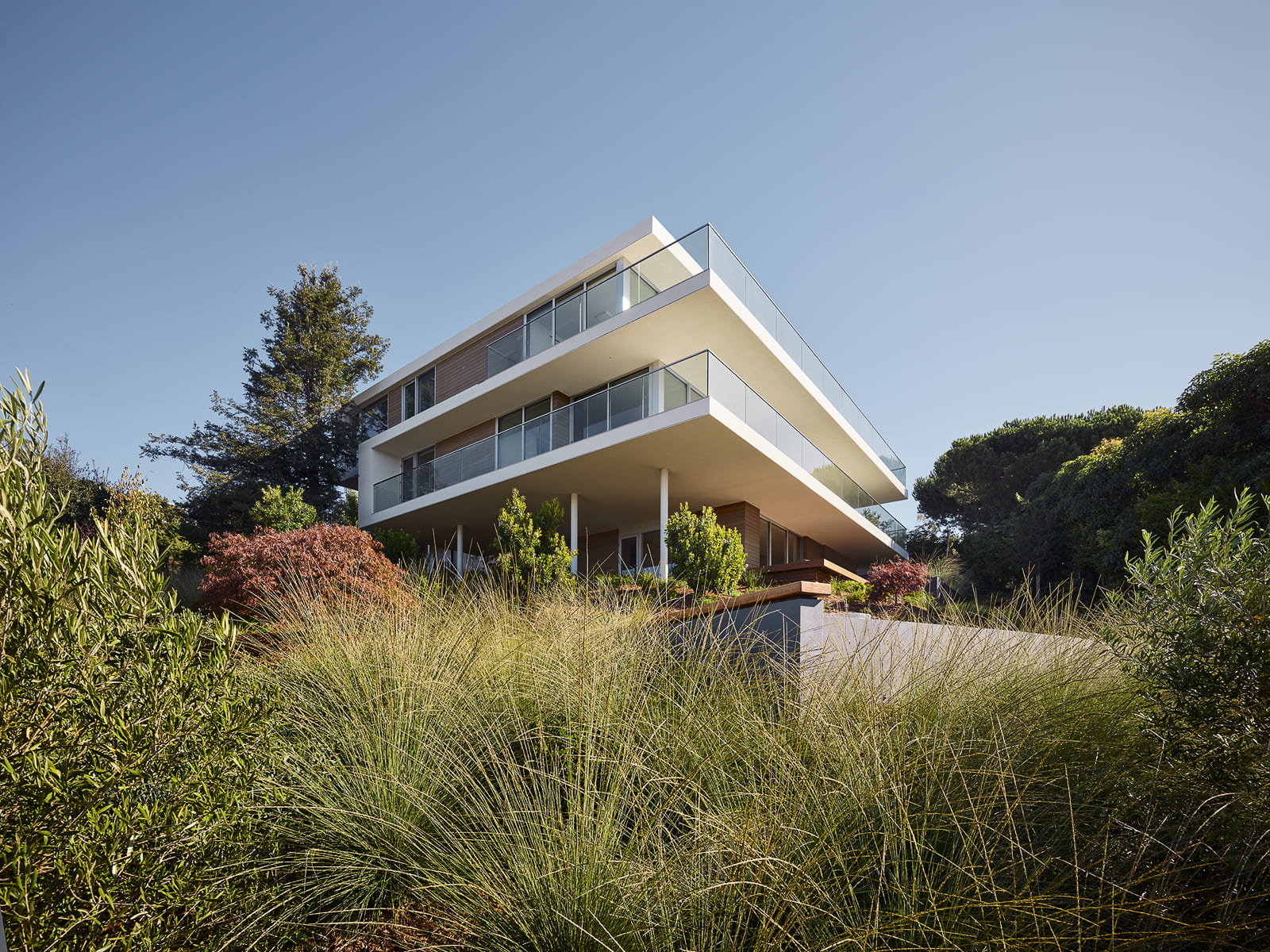
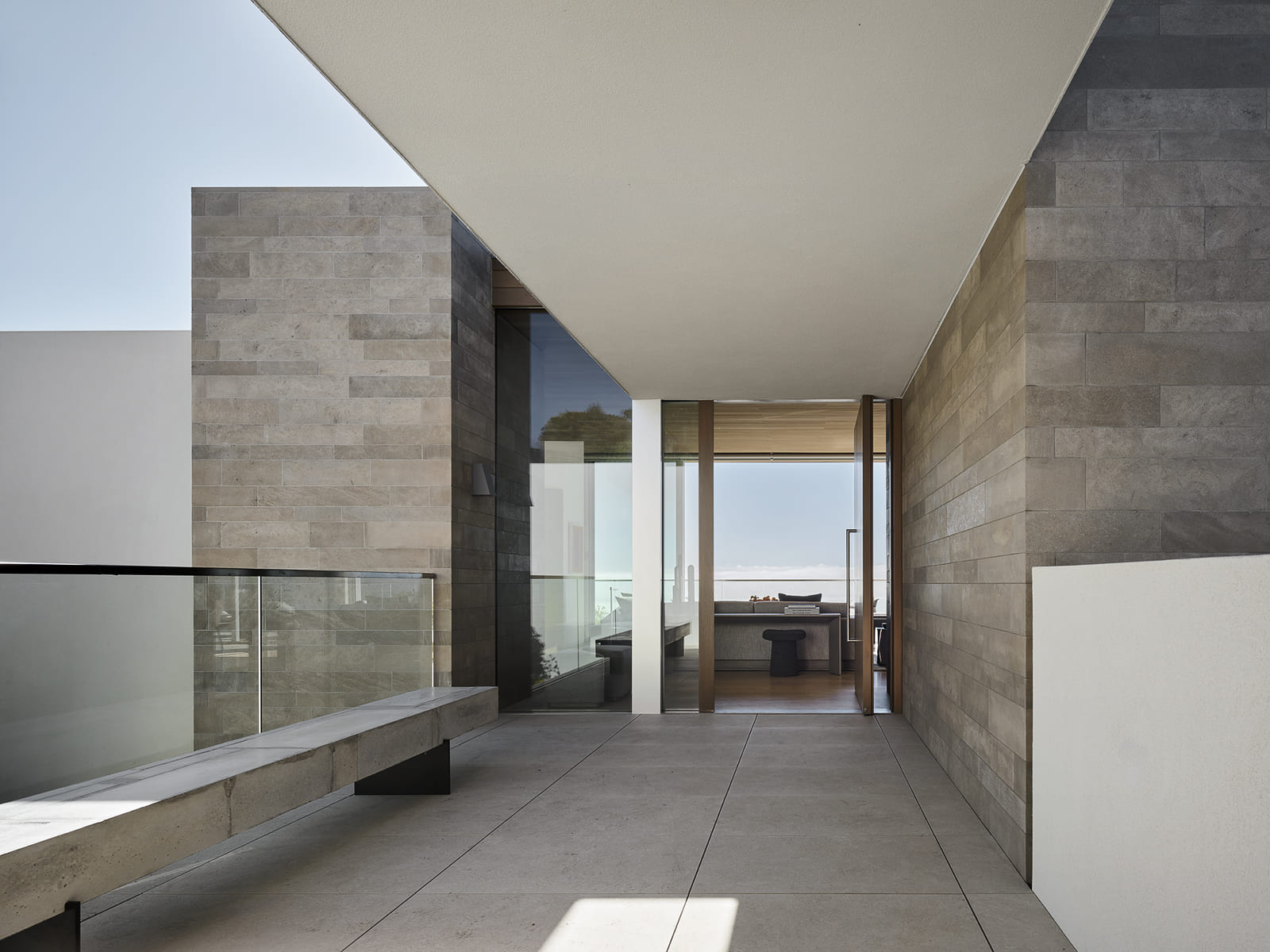
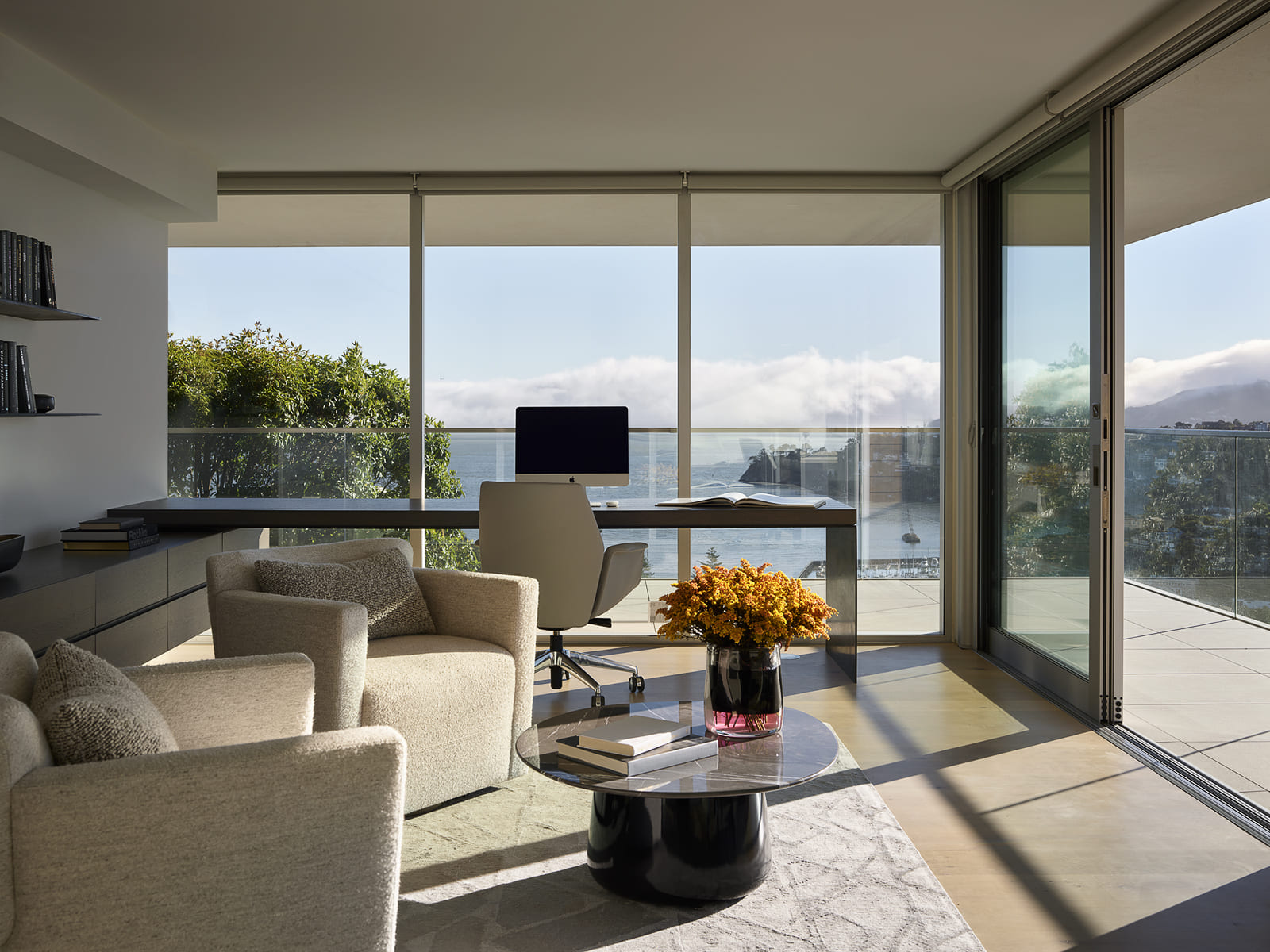
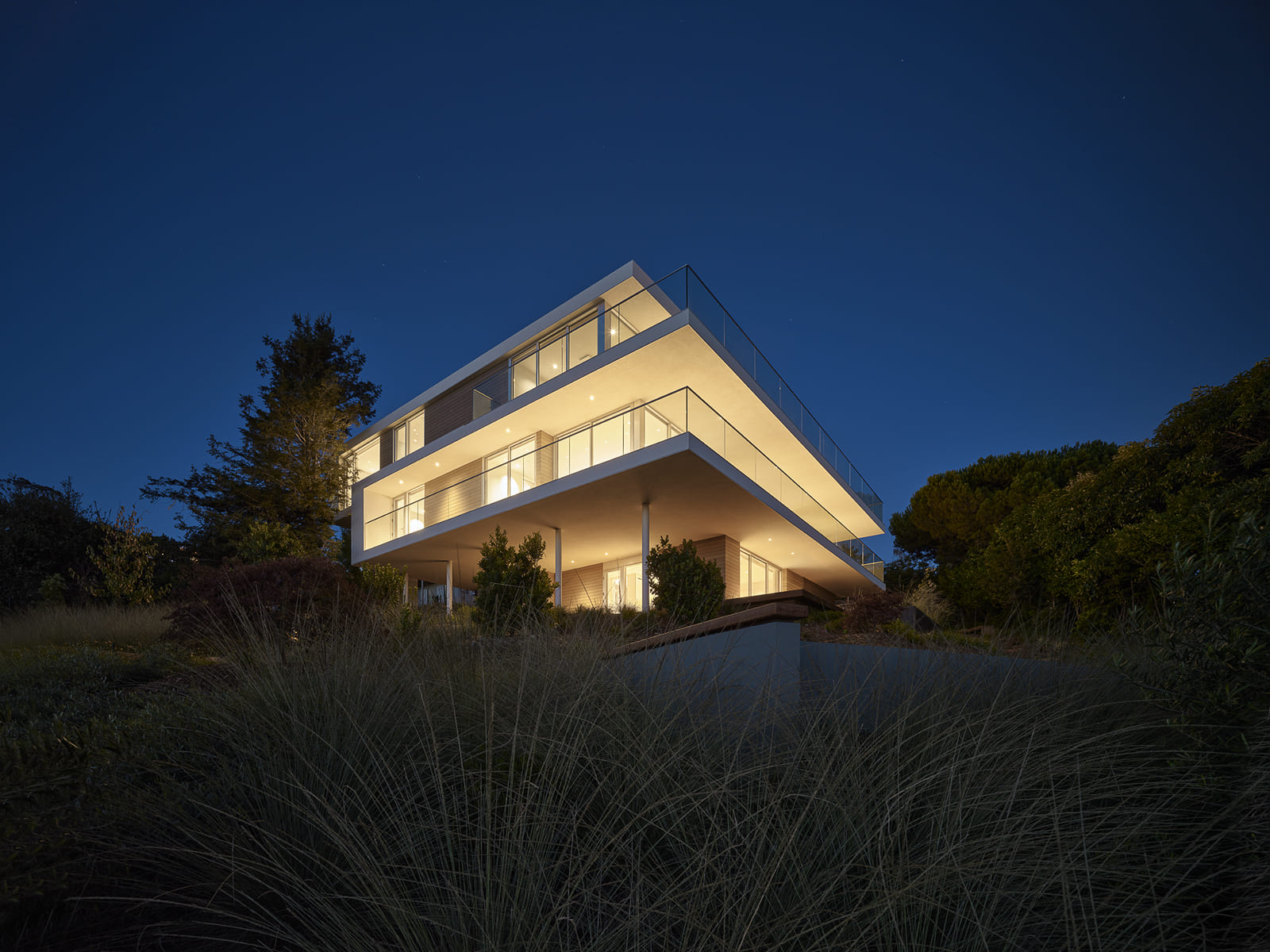
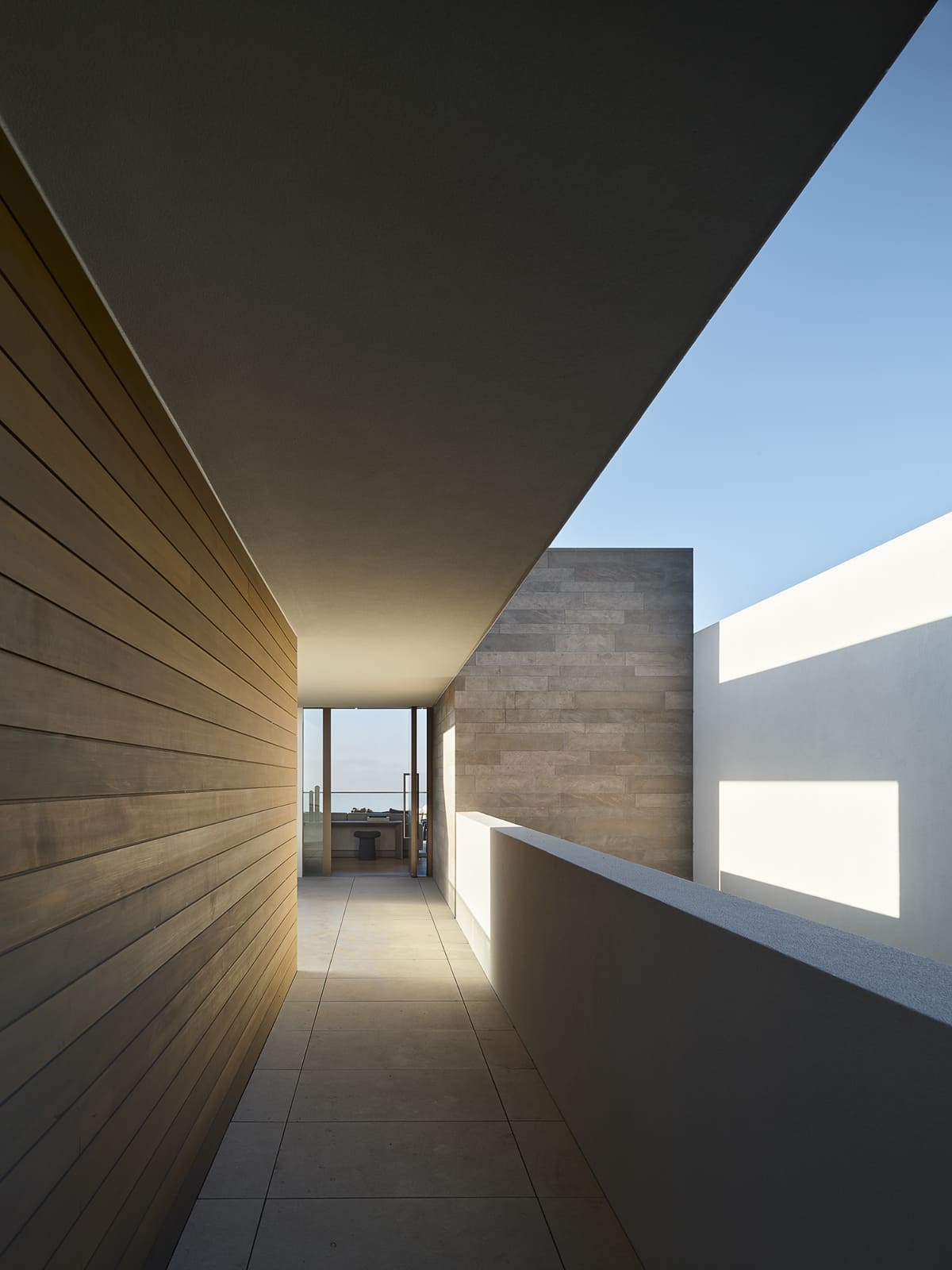
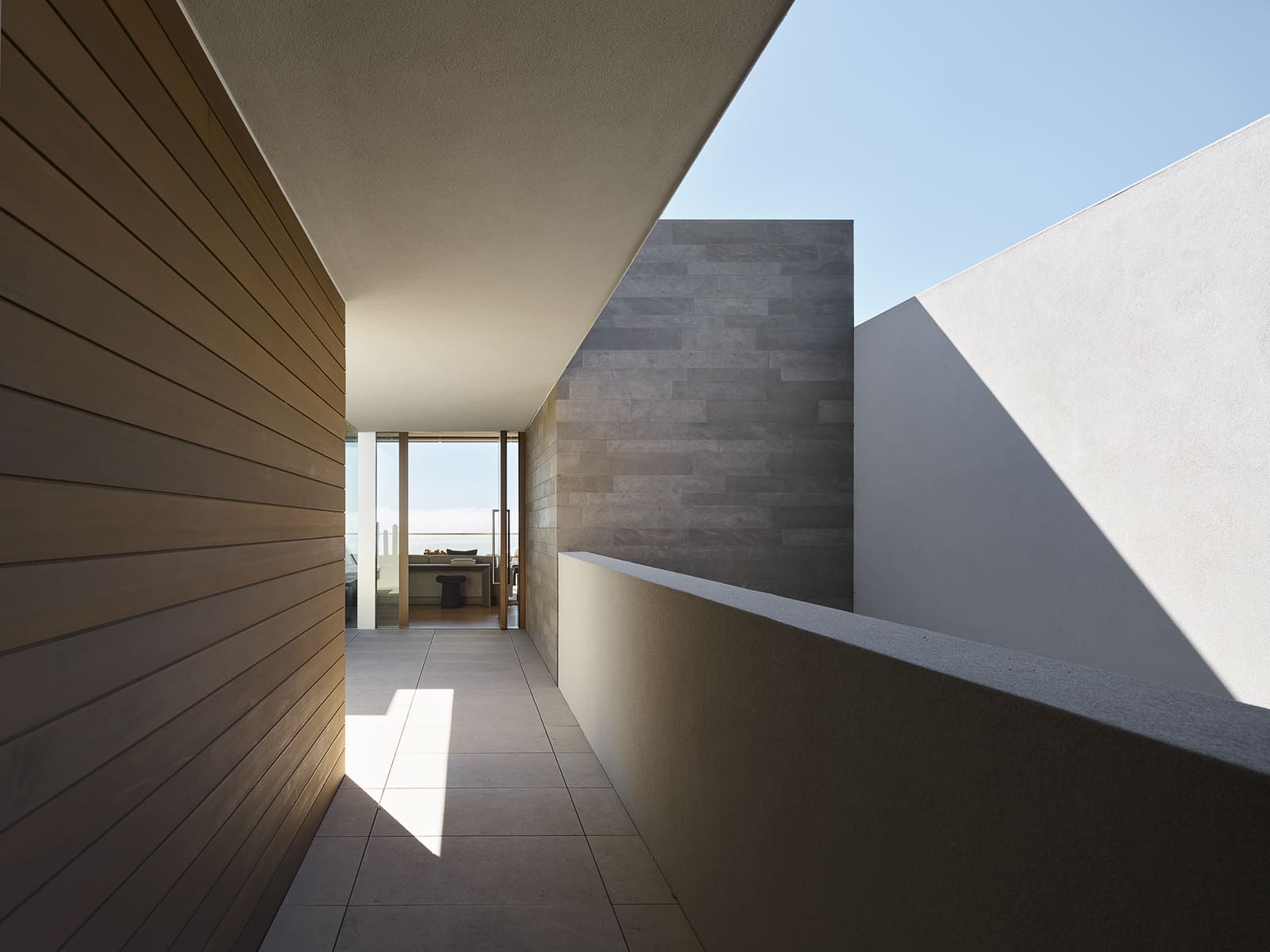
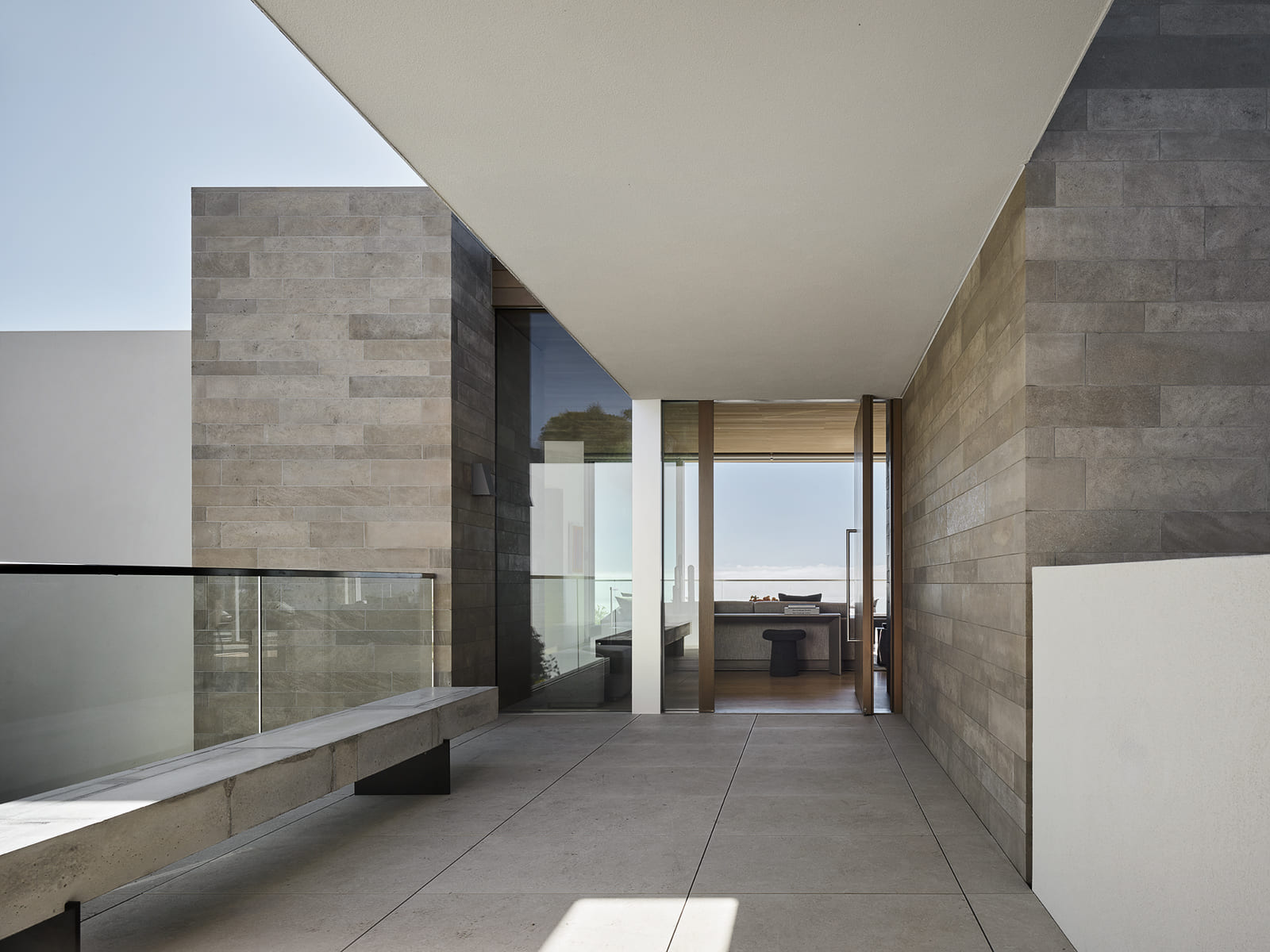
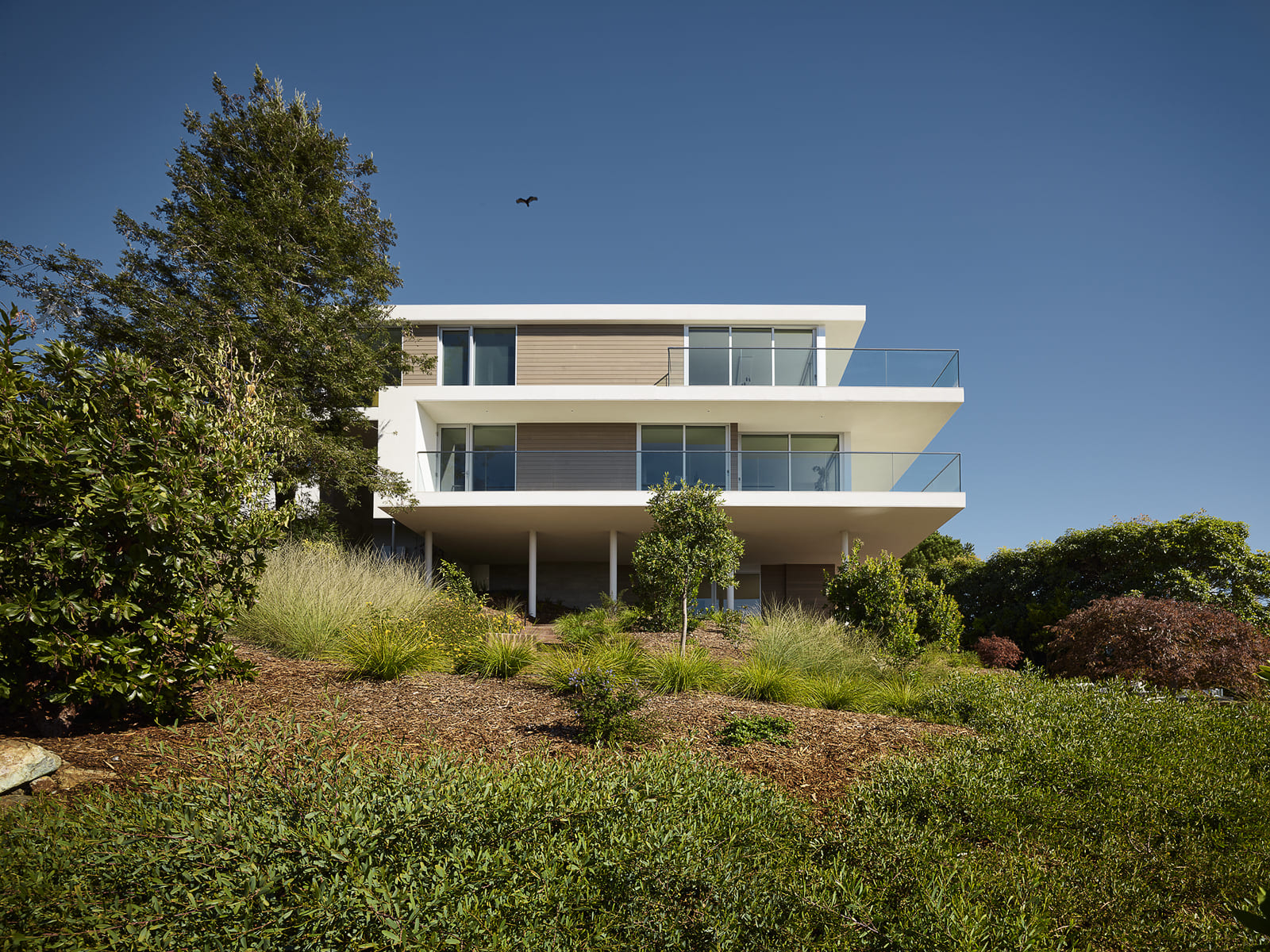
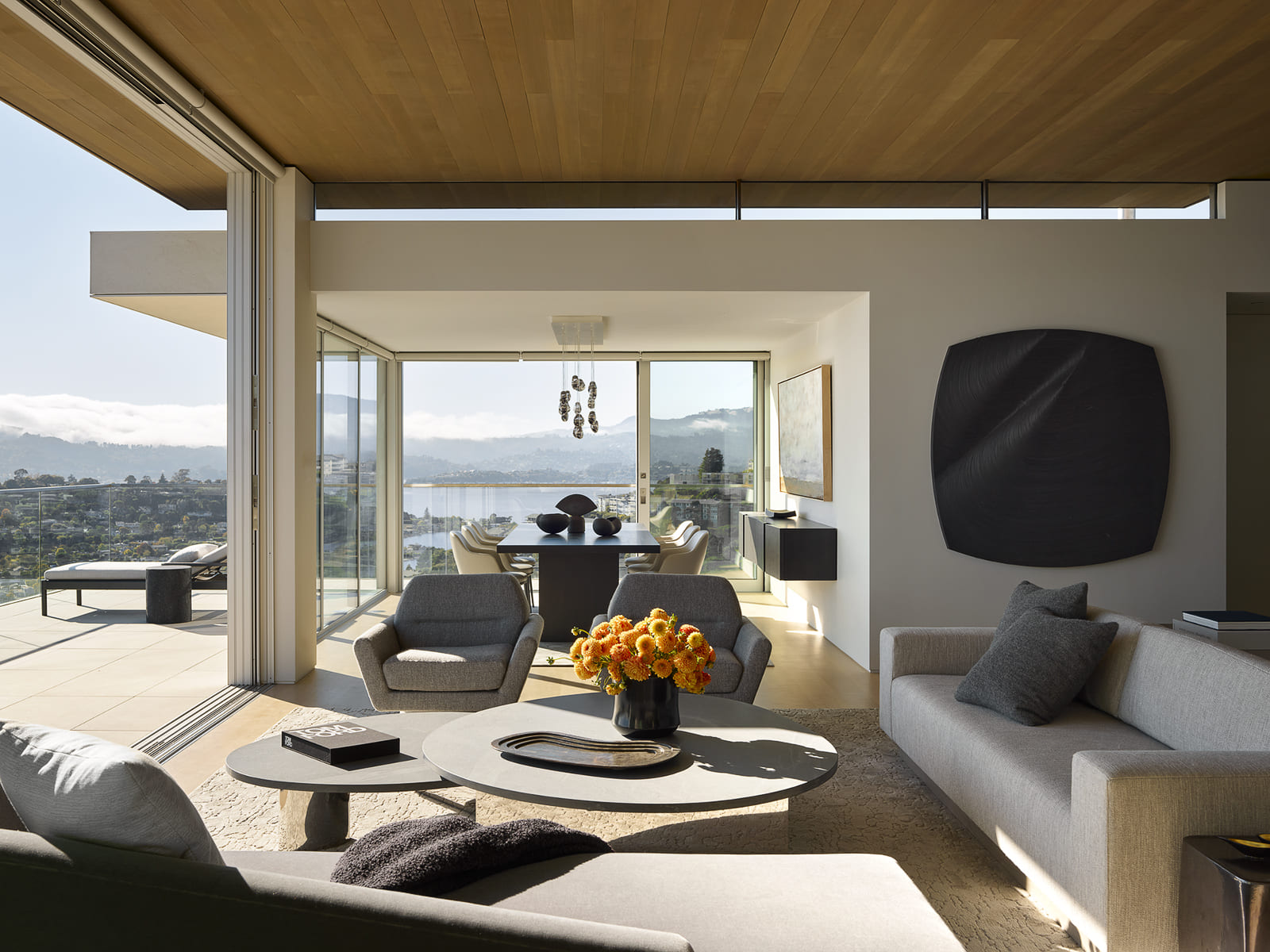
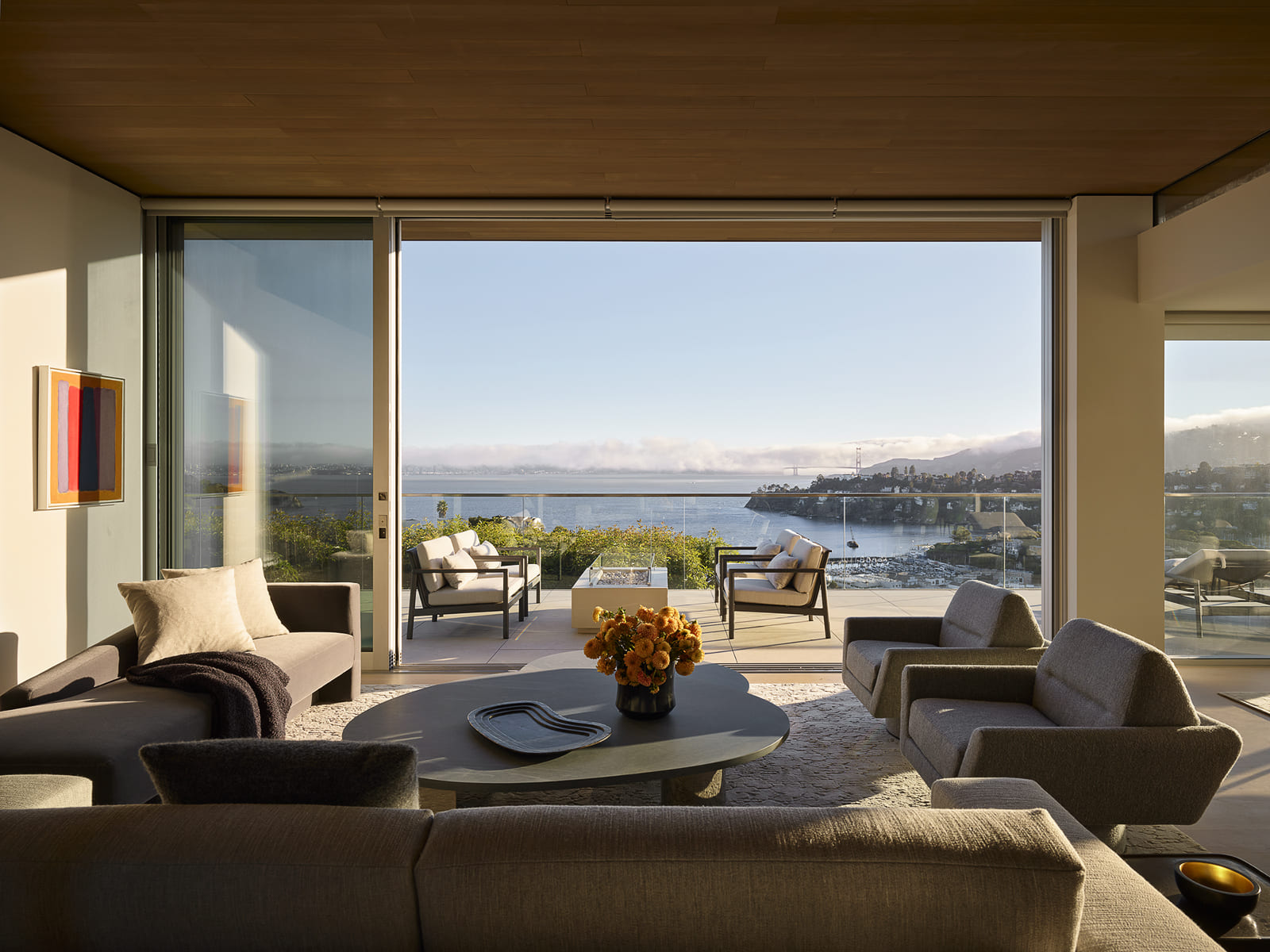
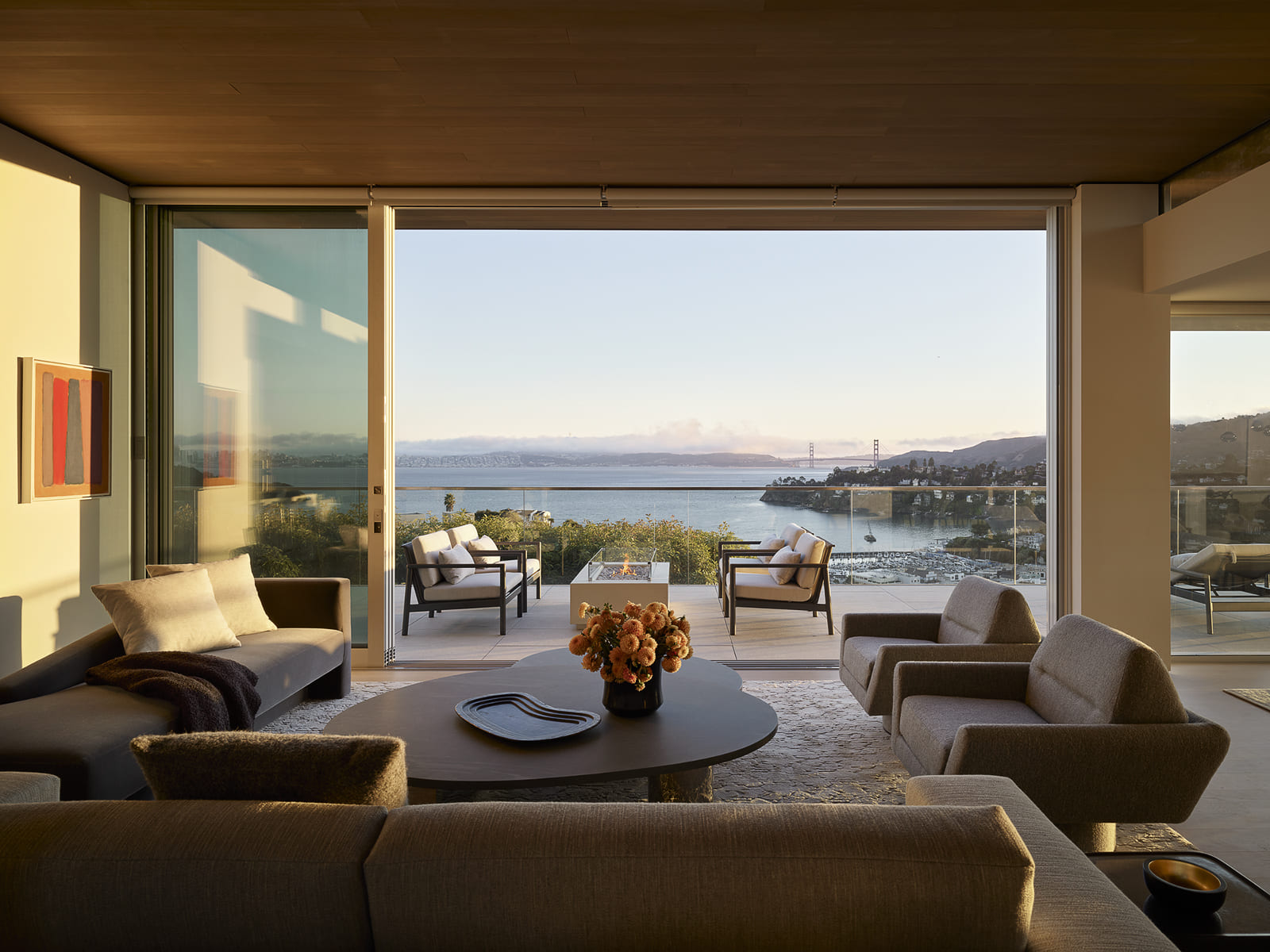
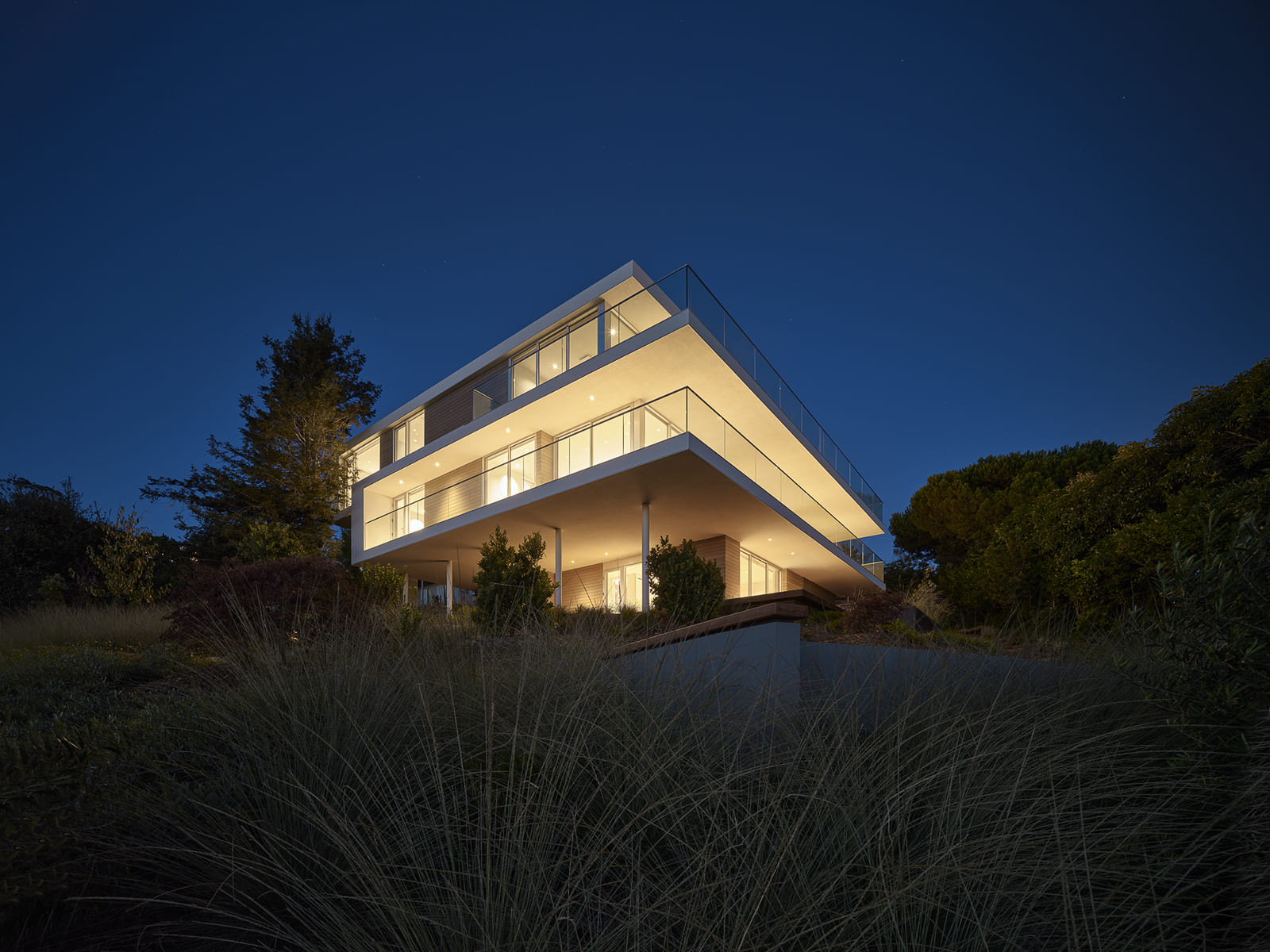
The architectural language is deliberate in its contrasts. On the north, entry side, vertical stone-clad volumes evoke the gravitas of Louis Kahn. “Much of Kahn’s work, in contrast to the ‘light weight’ post and beam mid-century designs, had a certain ‘weight’ that was often expressed as in brick as towers and other support elements. We created two ‘tower-like’ elements on the north, entry side of the Owyang House-the stone-clad stair tower, just west of the entry door, and that stone-clad solid plinth that supports the otherwise floating Primary Bedroom, recalling the weight and functions of some of Kahn’s work,” Swatt elaborates. These forms establish an aura of privacy and permanence, a counterpoint to the luminous expanses of the south, view side, which Swatt describes as “almost entirely transparent, facing dramatic views of San Francisco, San Francisco Bay, and the Golden Gate Bridge.”
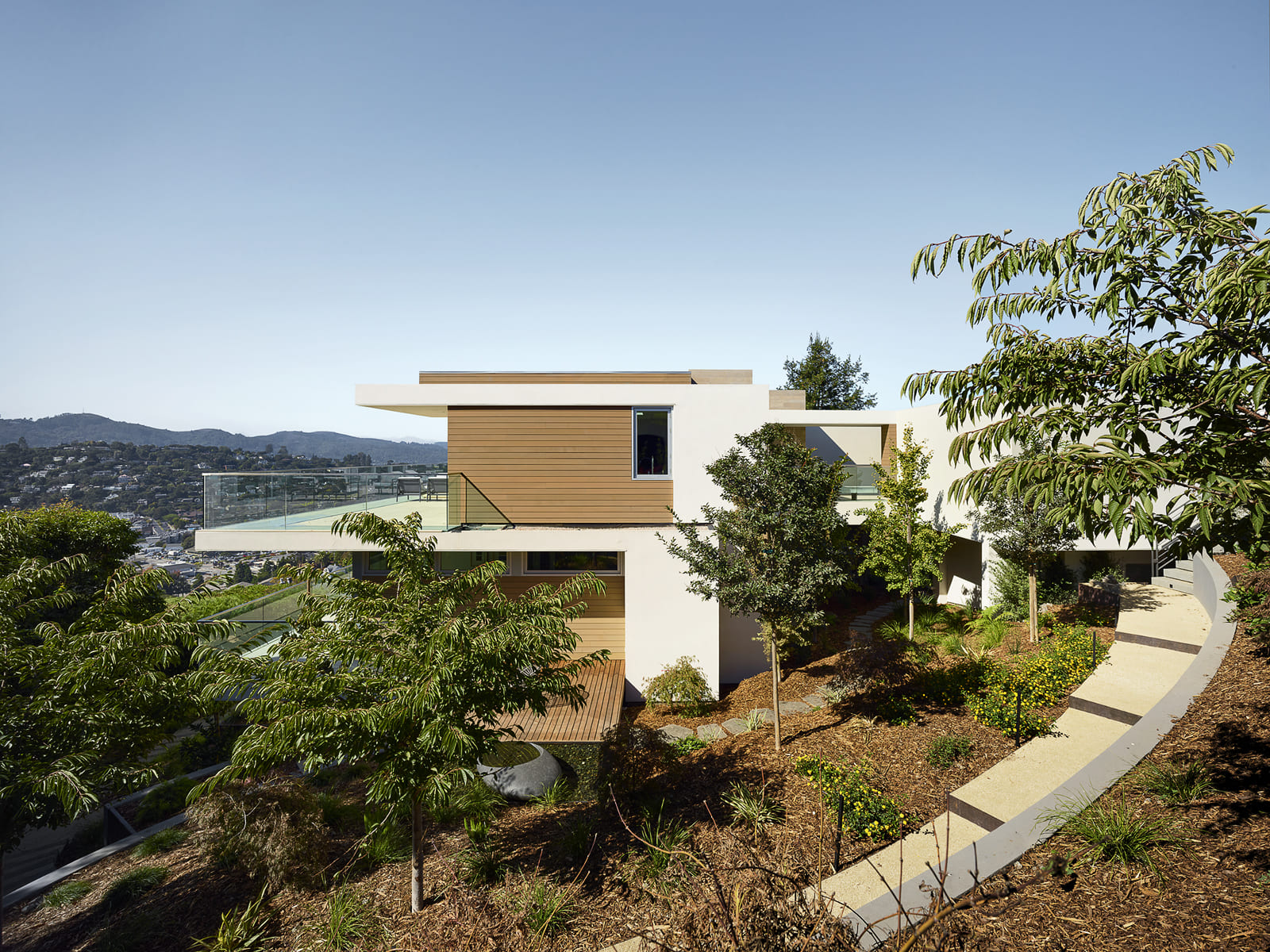
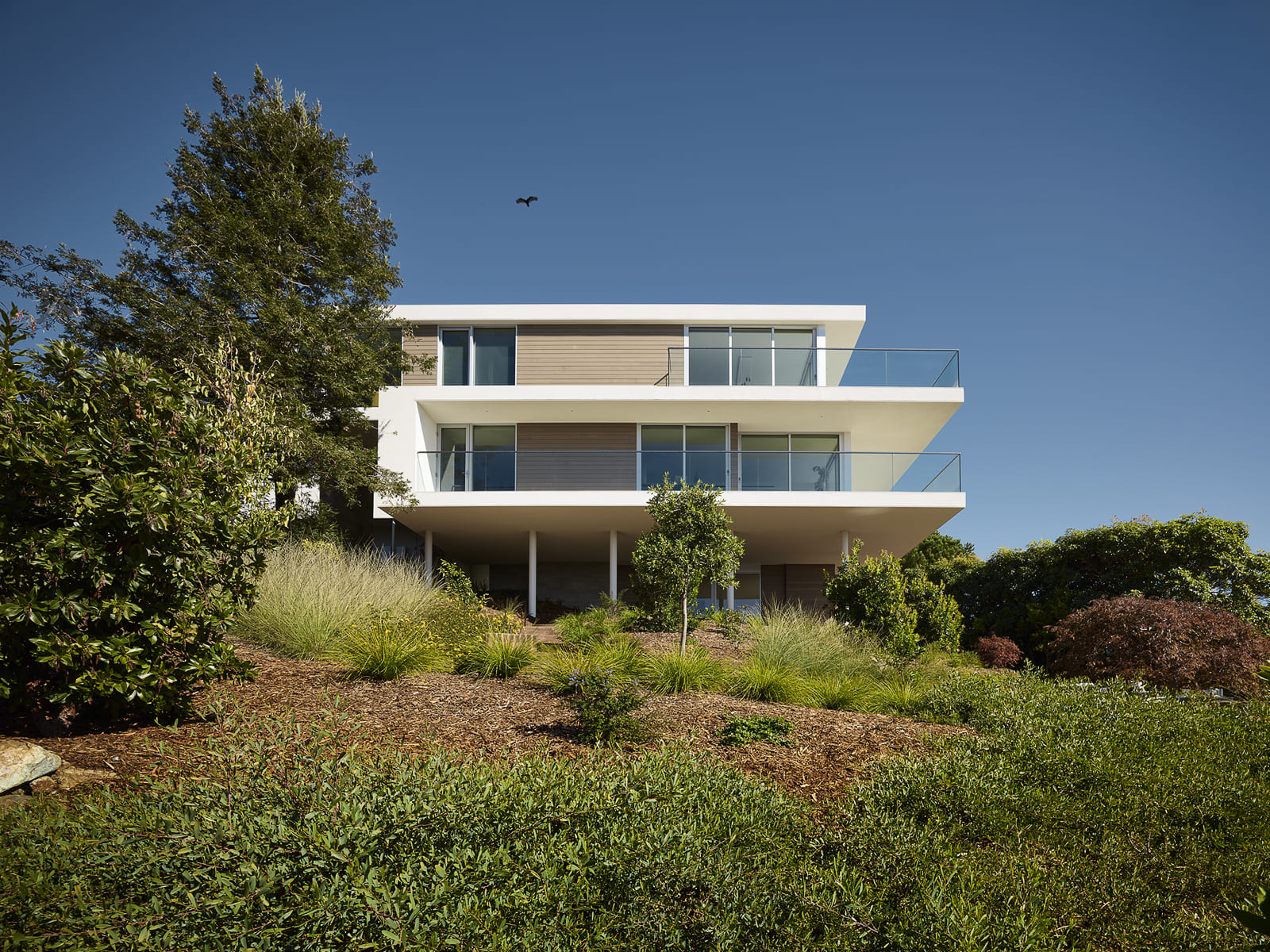
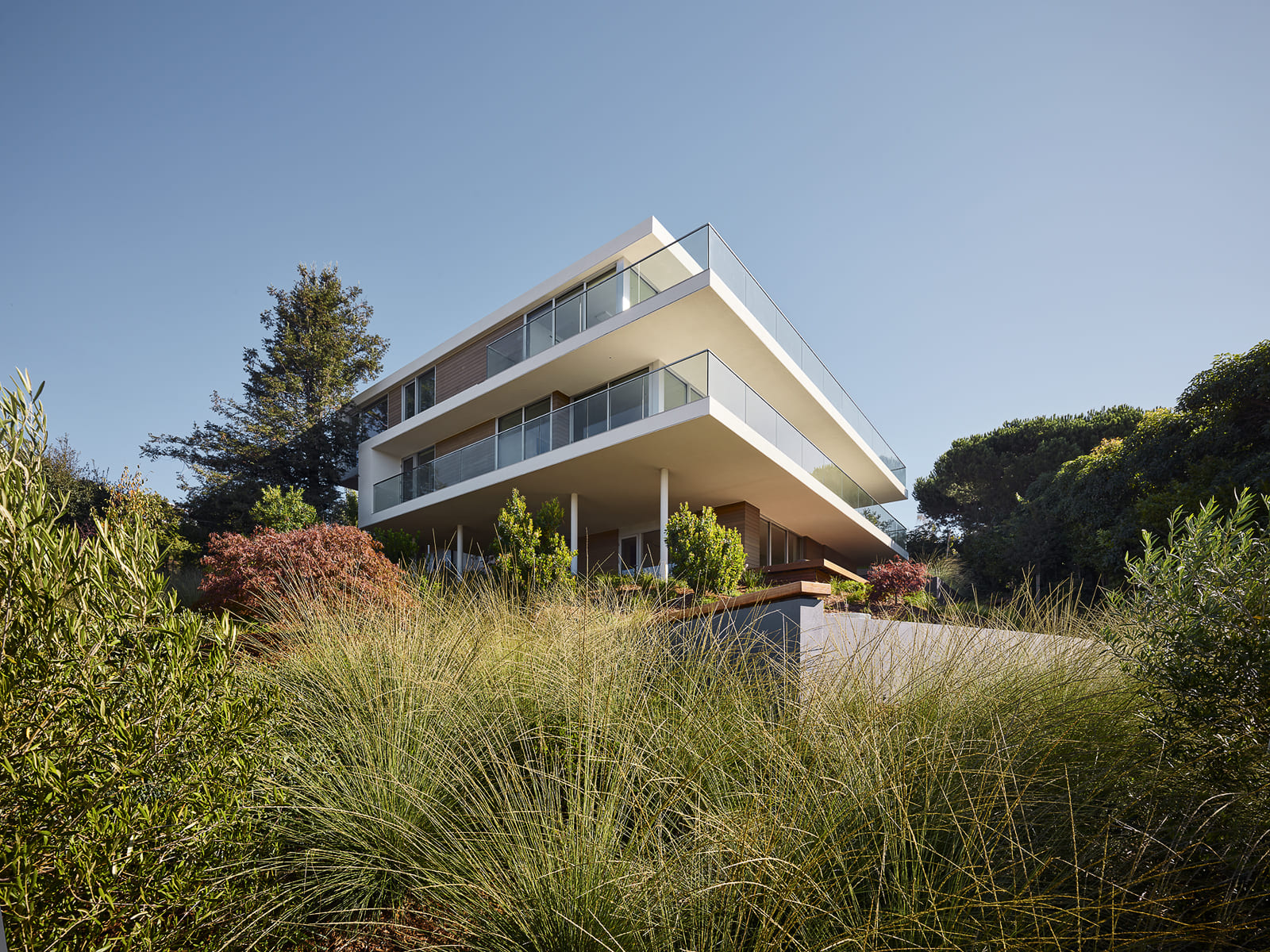
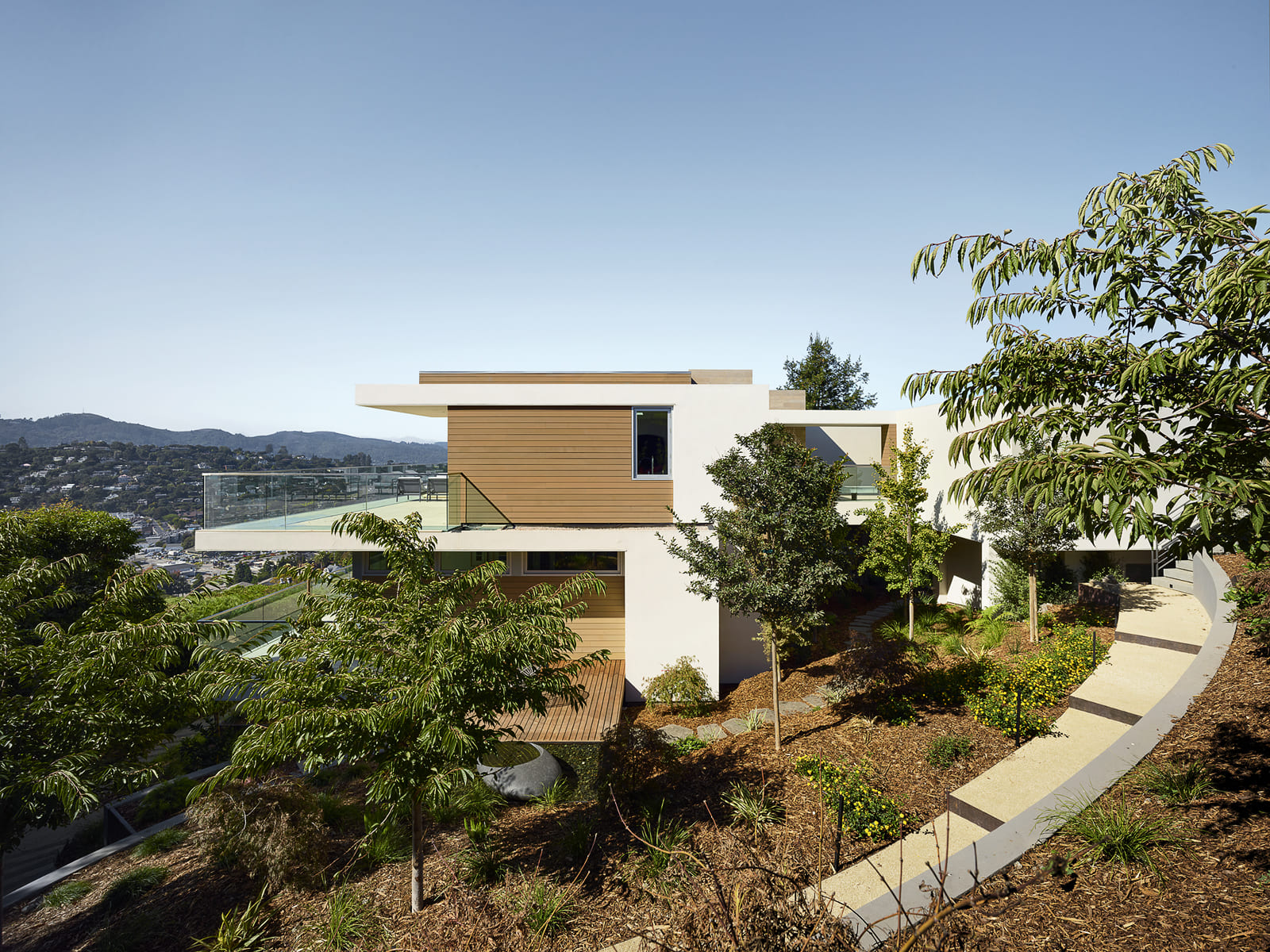
The horizontality of the roof extensions and terraces evokes the legacies of Ray Kappe, Frank Lloyd Wright, and Richard Neutra. Swatt notes, “In Tiburon, fully one-half of the existing structure needs to remain for the project to be considered a remodel. We were able to create a design that in every respect feels like a brand new, beautiful modern home. We similarly combined heavy vertical structures at the north, entry side of the home, with horizontal roof extensions over most of the glazing on the south, view side of the home.” The interplay of solid and void produces a journey of revelation: the visitor is first confronted with a fortified, almost monolithic façade, only to be surprised by the openness and drama of the view once inside. “The architectural language of the house allows for, and even benefits from, the contrast of solids and voids. For the visitor, the drama of the house is unknown, invisible until you enter the home and the dramatic views are then revealed. In this sense, the beautiful views are truly a surprise,” Swatt remarks.
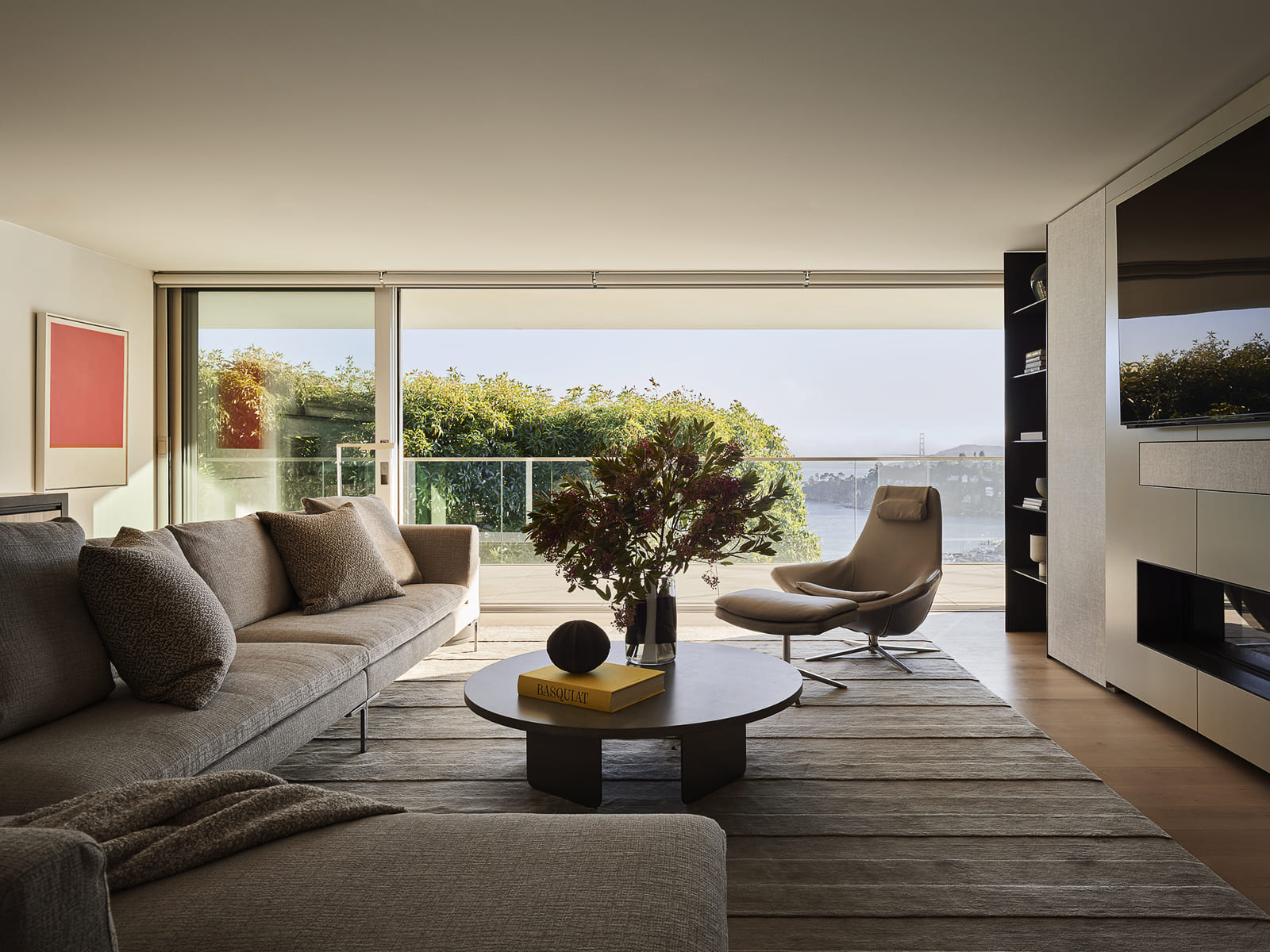
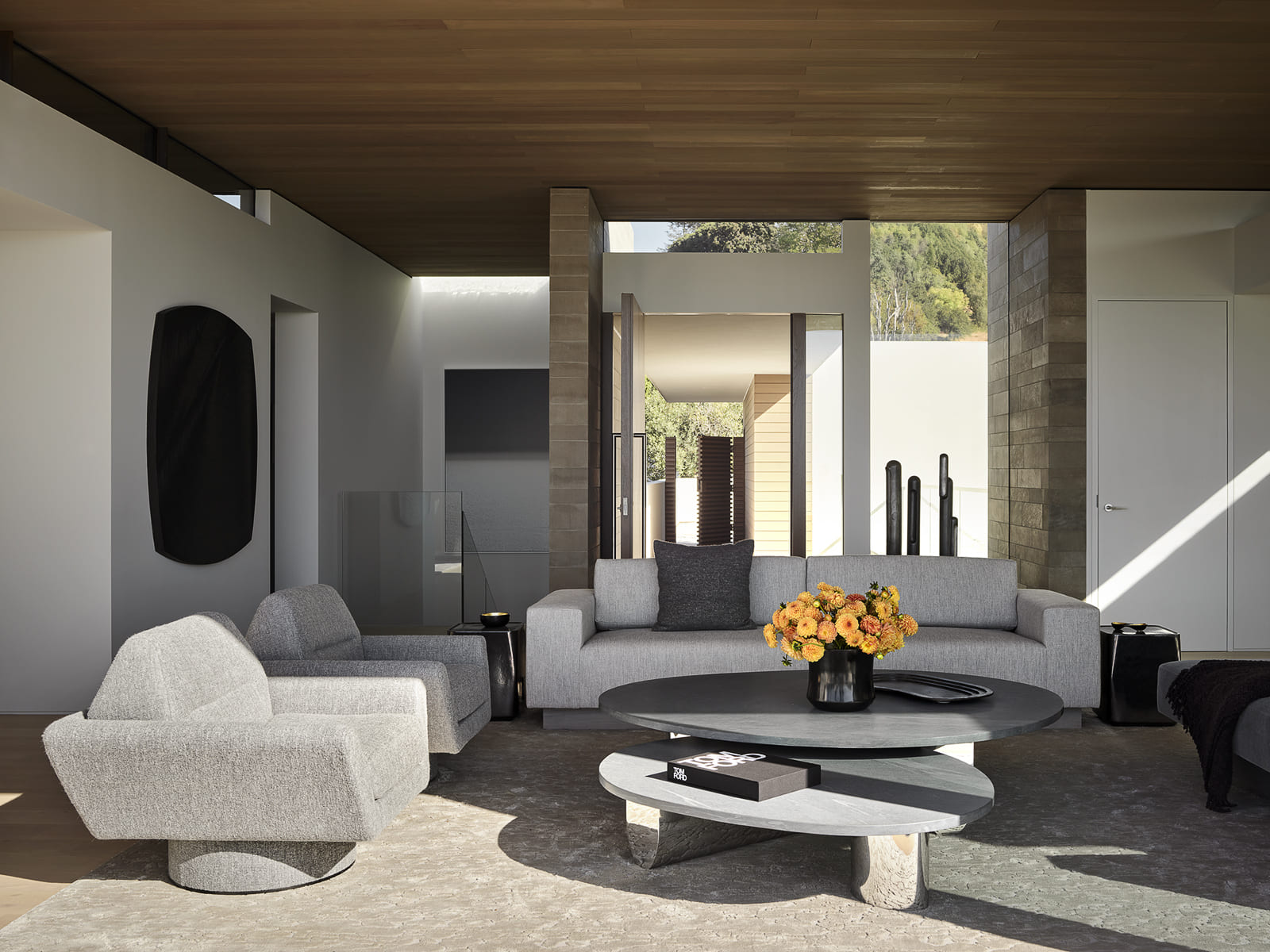
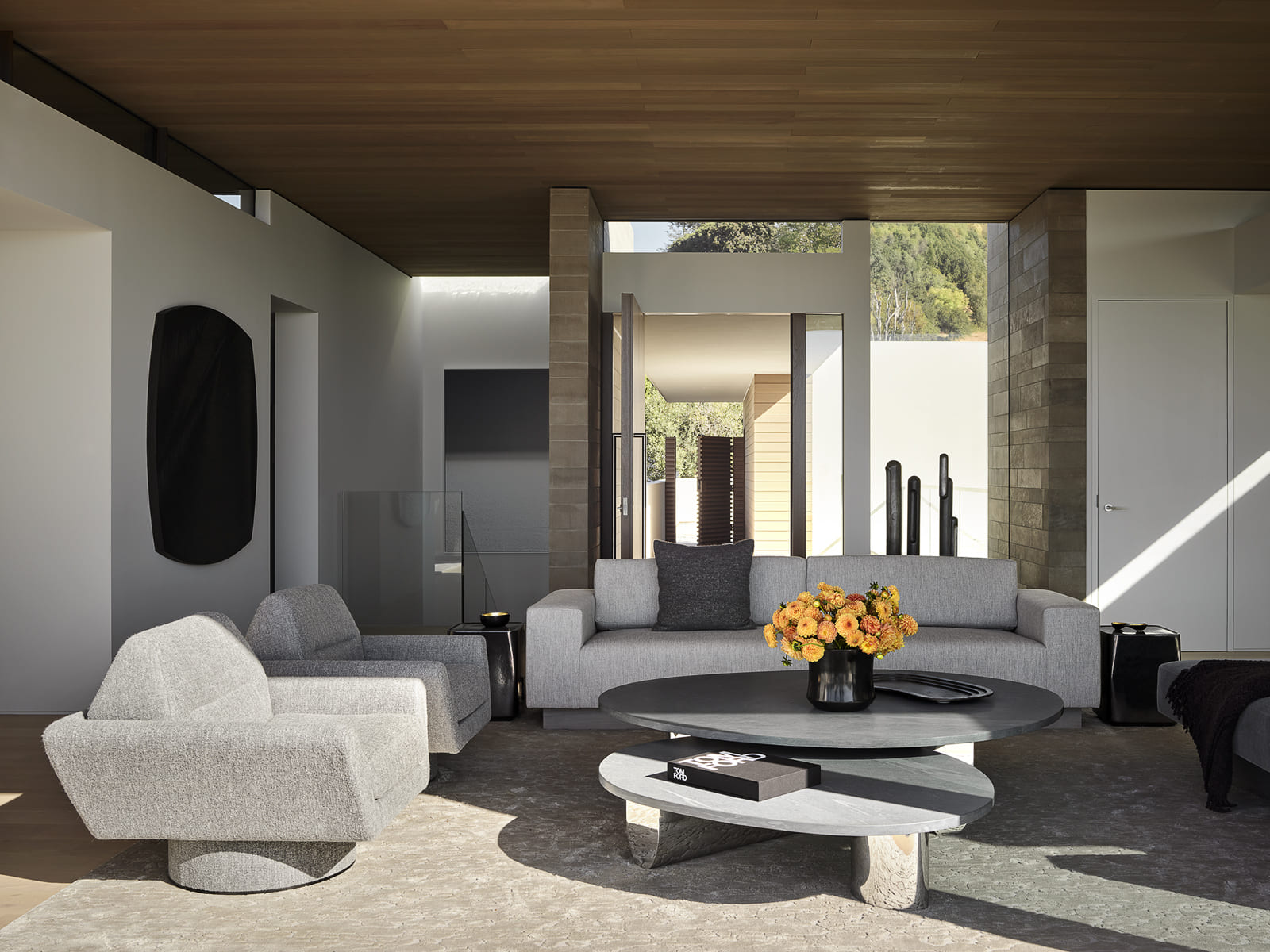
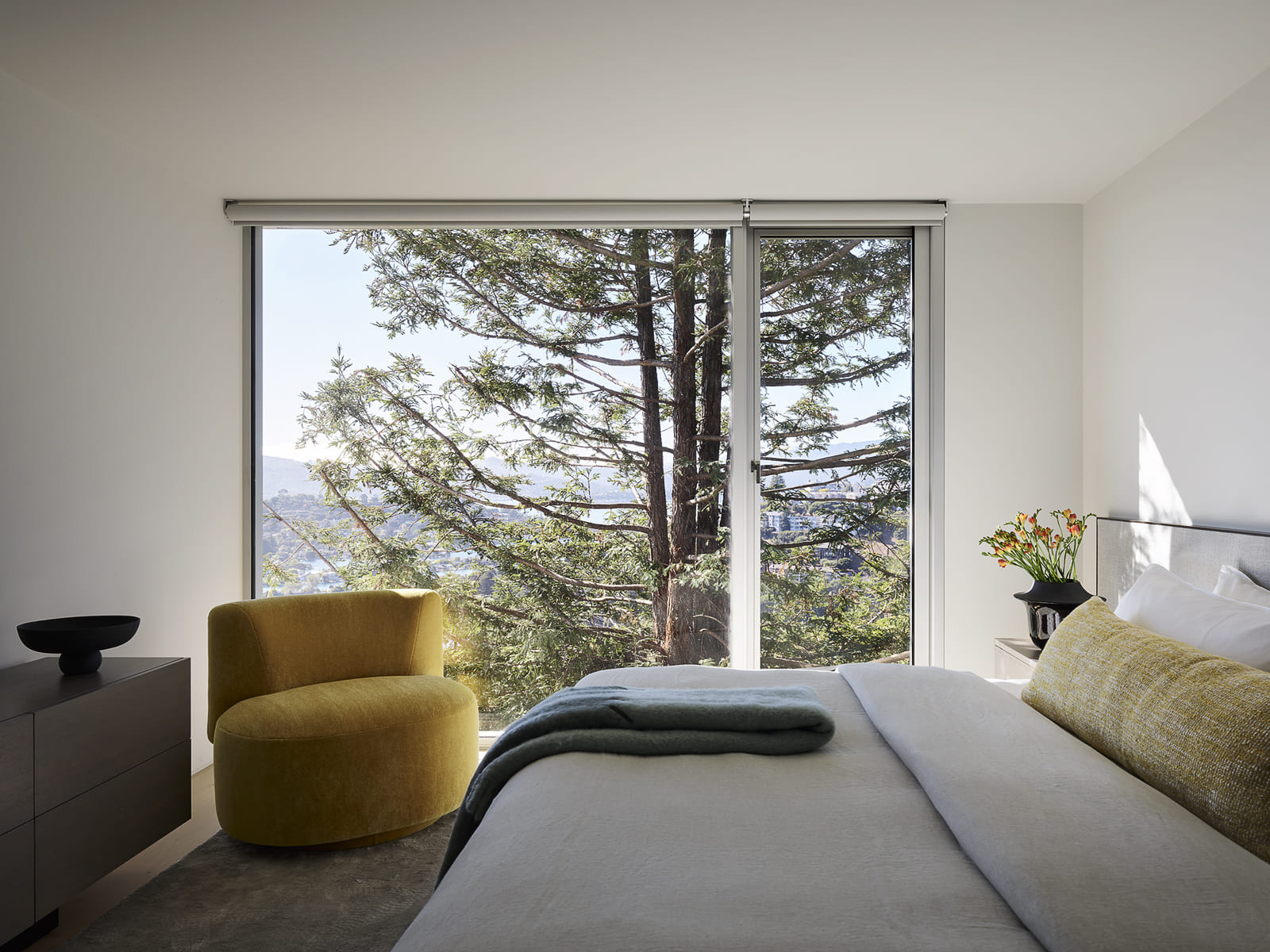
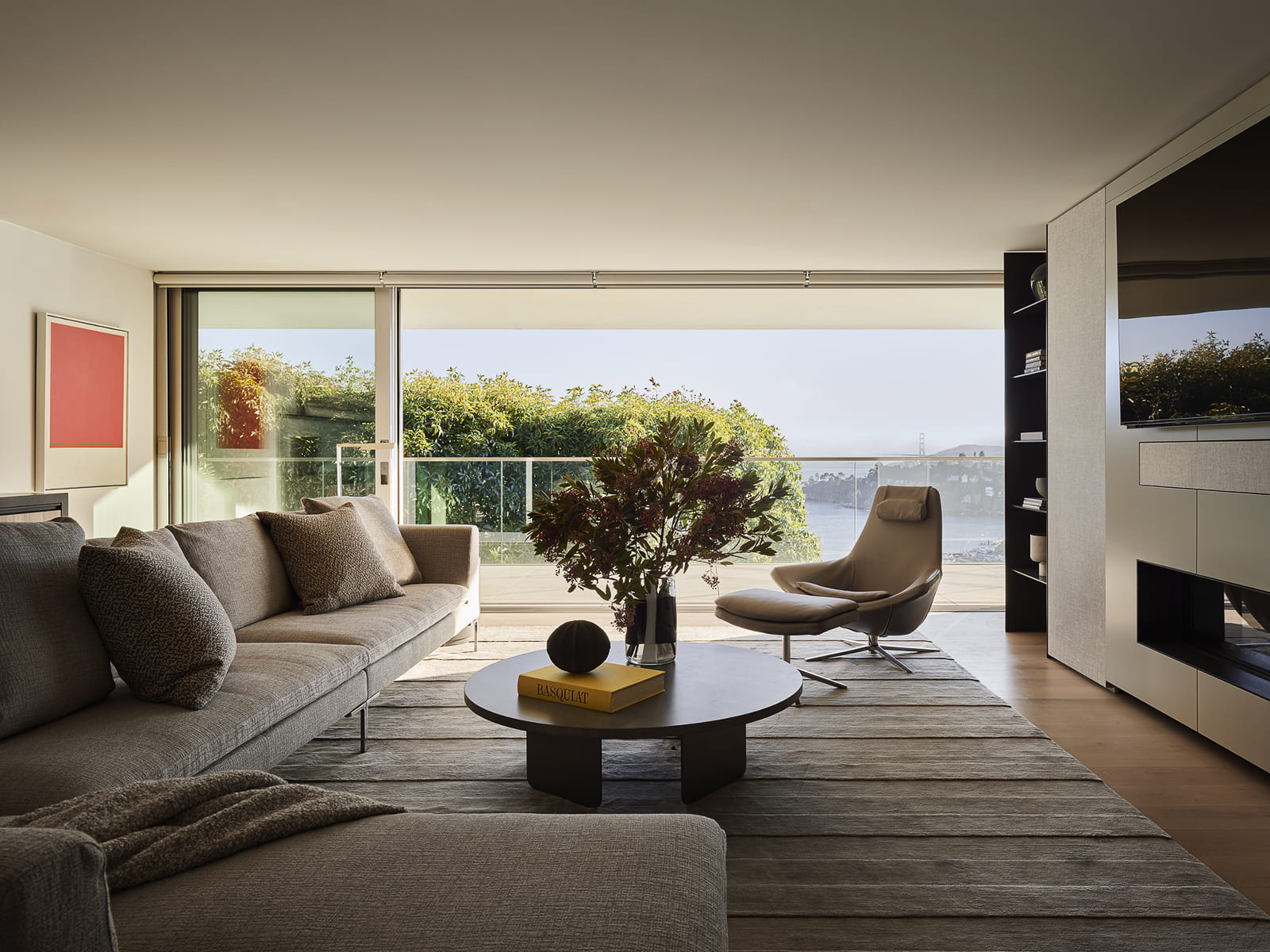
The interiors, curated by Leverone Design, are a meticulous exercise in restraint, allowing the owners’ extraordinary collection of works – ranging from Ansel Adams and Salvador Dalí to Lin Fengmian, Wu Guanzhong, Henry Moore, and Pablo Picasso – to inhabit the spaces without competition. “While the sculptural, opaque forms of the architecture on the entry-side of the building are powerful, the colors of the stone and the stained Cedar siding are muted with subtle, gray tones. Similarly, the interior design team selected muted interior finishes and soft gray fabrics for most of the furnishings. Thus, the architecture and interiors in a way has become a somewhat subtle background for enjoying the dramatic views of the San Francisco Bay, as well as the Owners’ impressive collection of art,” Swatt explains.
The dialogue between site, structure, and landscape is equally deliberate. “Like the winding roads that lead to Lagoon View, the spatial progressions create the mystery of moving from solid, opaque, and tight spaces at the entry to wide open, transparent, and expansive spaces that offer some of the best views in the San Francisco Bay Area,” Swatt observes. Every decision – from the placement of terraces to the slope of the hillside gardens by Stefan Thuilot – emphasizes the interplay of topography, architectural volume, and framed views, producing an experience that is both intimate and epic.
Owyang House is a meditation on transparency and monumentality, on revelation and restraint. It balances historical references, rigorous site-specific design, and an artful choreography of light and material. As Swatt reflects, “A remodel is significantly more difficult to design, compared to a new house. While keeping fully one-half of the existing structure, we were able to create a design that in every respect feels like a brand new, beautiful modern home.” In every sense, the house is a palimpsest: a modern architectural layering that honors Tiburon’s topography, the client’s vision, and the enduring poetry of Bay Area vistas.


Once upon a time there were crafts workshops. Then came the advent of industrial design and mass production.