
Design Courier

HOME   |

Into big AFFAIRS

Can Luxury Development Be Responsible? Will Bennett Thinks So

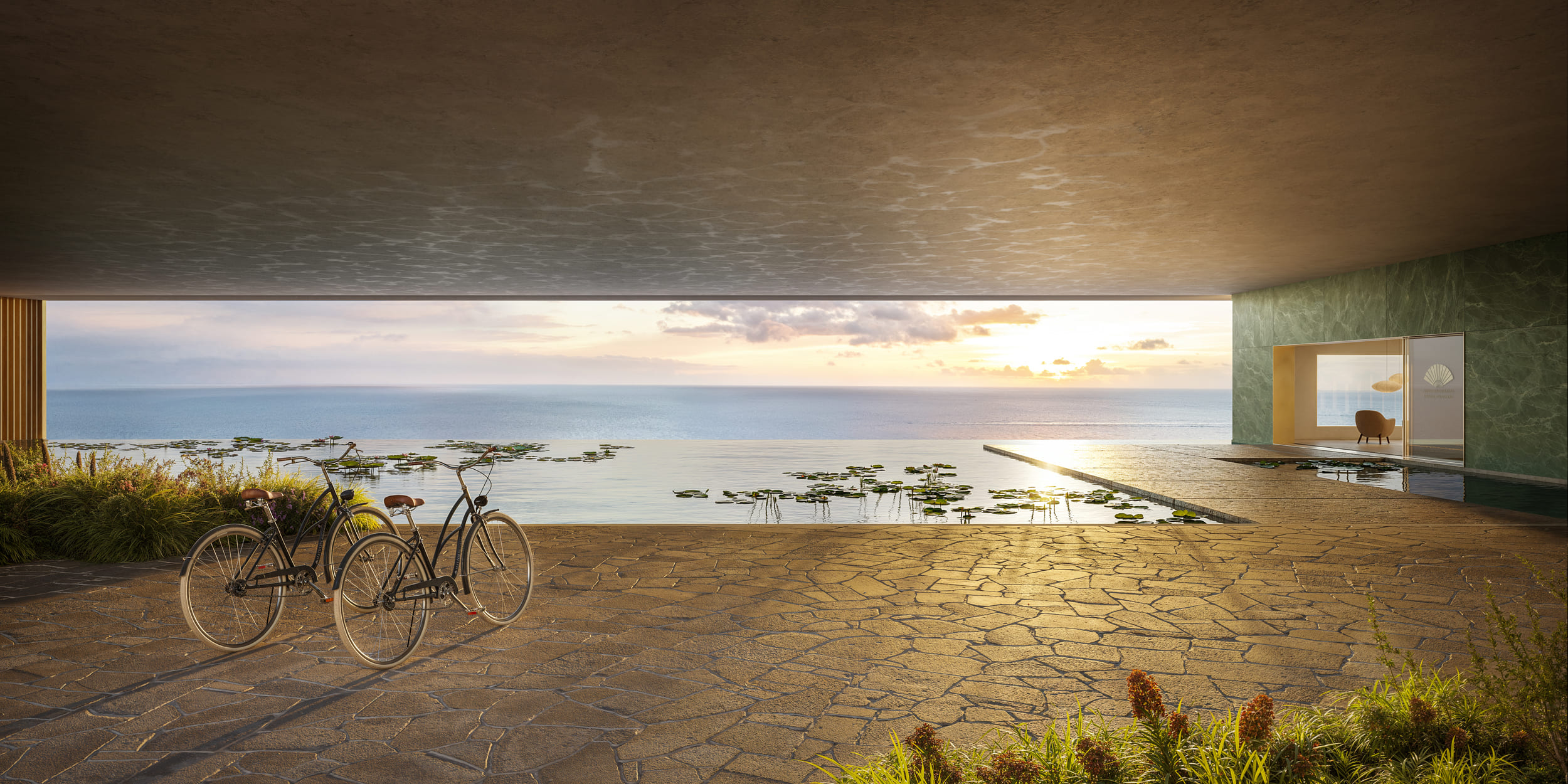
mandarin-oriental-render-esencia-credit-courtesy-of-eleven-visualization.jpg

In the world of luxury real estate, few developers are speaking as openly about restraint, sustainability, and community as Will Bennett. As CEO and co-founder of Three Rules Capital, Bennett is helping redefine what large-scale luxury development can look like – less focused on excess, and more on long-term value, environmental stewardship, and cultural connection.

Together with partners Roberto Ruiz Vargas and Harish Venkatesh, Bennett leads the firm behind Esencia, a $2 billion low-density coastal community rising across more than 2,000 acres in Cabo Rojo, Puerto Rico. Anchored by hospitality brands including Mandarin Oriental and Rosewood Hotels & Resorts, the project combines branded residences, wellness experiences, conservation initiatives, and resilient infrastructure designed to work with – rather than against – the landscape.

But beyond architecture and hospitality, Bennett’s vision is deeply personal. Built around the values passed down by his late mother – honesty, kindness, and excellence – Three Rules Capital approaches development as a long-term responsibility rather than a short-term transaction.

In this conversation, Bennett reflects on responsible luxury, climate resilience, community dialogue, and why Puerto Rico challenged him to think differently about what it truly means to build.

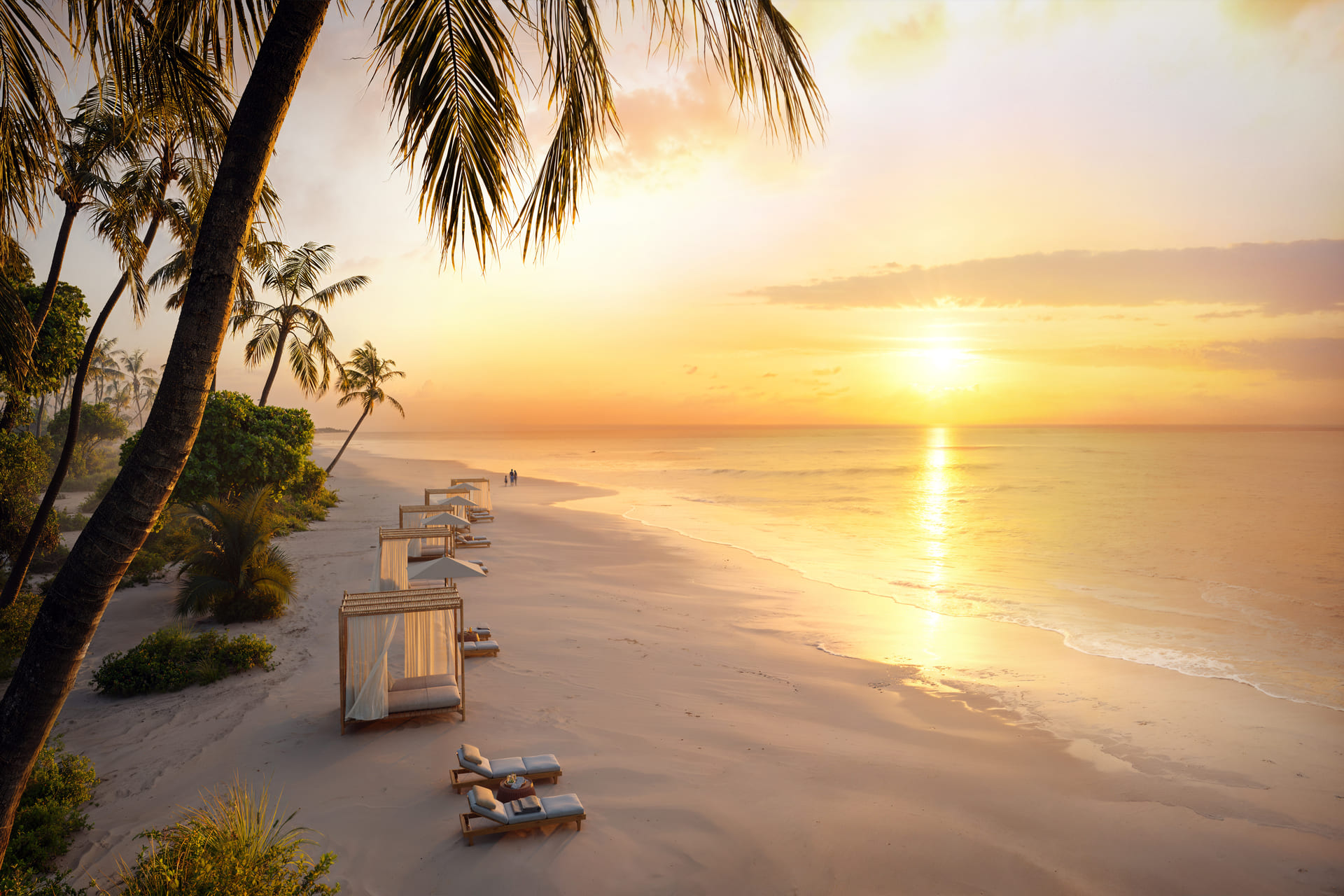
Mandarin Oriental Puerto Rico at Esencia <br /> Courtesy of Eleven Visualization
Mandarin Oriental Puerto Rico at Esencia
Courtesy of Eleven Visualization

Esencia is a rare blend of luxury and low-density sustainability. Looking back, what’s one design or development choice you fought hardest for. And why did you refuse to compromise?

What I fought hardest for was restraint. From the beginning, I believed Esencia needed to leave a light footprint on the land.

That philosophy shows up not only in the project’s low density, but also in something more subtle: light itself. I wanted Esencia to remain a place where you can still see the stars and hear the ocean at night. Cabo Rojo has some of the last true dark skies in the Caribbean, and we’ve been disciplined about lighting levels, fixture design, and orientation, resisting the instinct to over-illuminate the way many resorts do.

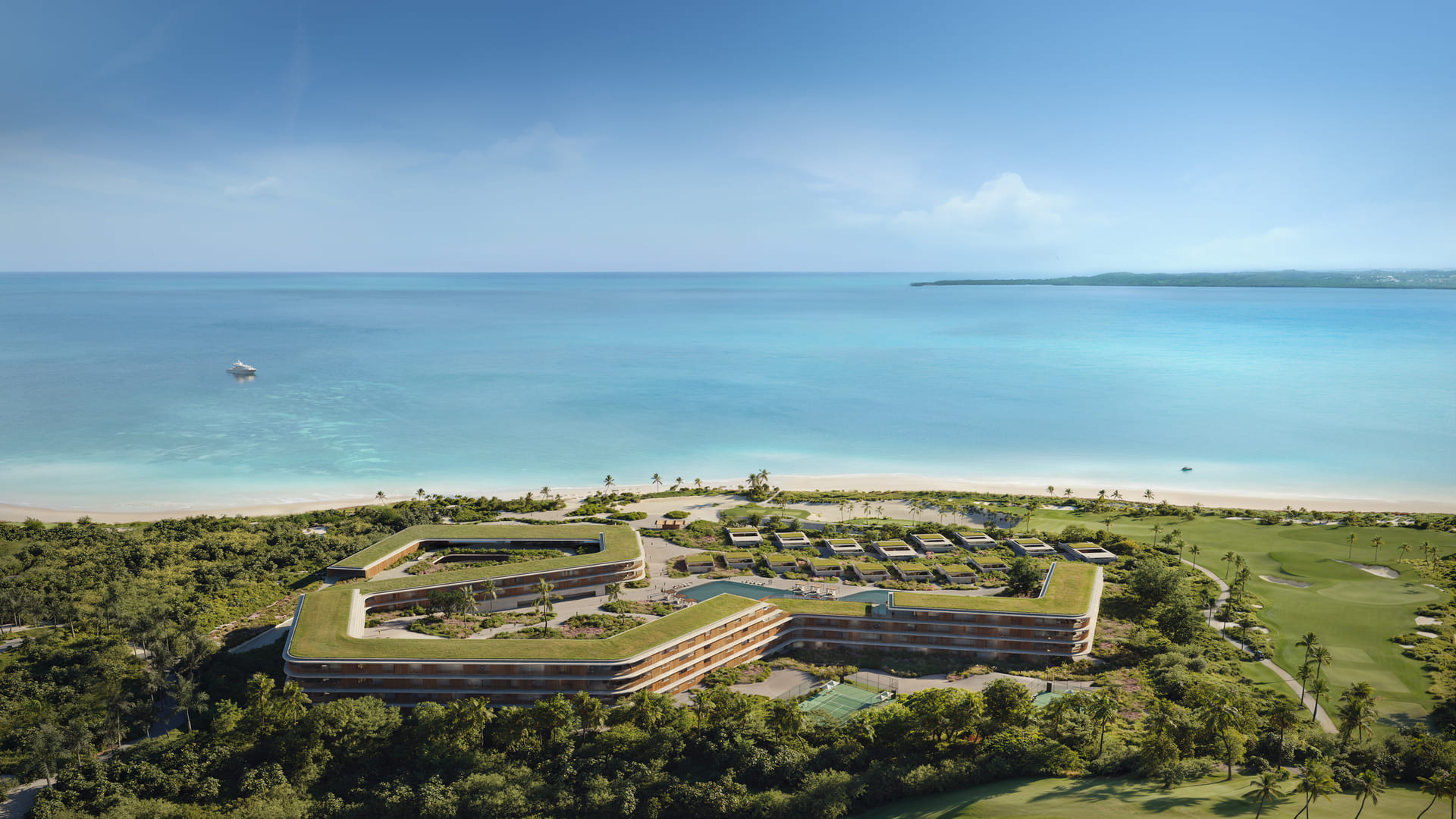
Across 2,200 acres, we chose to stay low-density. There were easier financial paths – more rooftops, more keys – but once a place like this is crowded, you never get that openness back. Cabo Rojo’s beauty already exists. Our job wasn’t to overpower it, but to protect it. Space is the real luxury. Silence is. Darkness is. Those were the things I refused to compromise on.

Luxury resorts often face criticism for gentrifying local communities. How have your projects in Puerto Rico challenged or reshaped your understanding of what ‘responsible luxury’ truly means?

My love for Puerto Rico has deeply shaped the vision for Esencia, but what’s reshaped me most is the people. The warmth here is real – the buen día in the morning, the pride people have in their communities, the way conversations take their time. That human layer changes how you build.

For me, responsible luxury means leaving a place stronger than you found it. In our case, we are not displacing a neighborhood – there was no housing on this land – but we also believe that if you’re building at the top of the market, you should be thinking about the broader community. That’s why we’re developing affordable housing nearby alongside the luxury residences.

Esencia is expected to create roughly 17,000 jobs, and we’re making sure those opportunities stay local – 90% of our vendors today are Puerto Rican.

We’re also investing heavily in infrastructure, renewable energy, water systems, and environmental restoration. Compared to previous plans approved for this site, our master plan reduces the built footprint by 80%. Our environmental footprint is a fraction of what it would have been otherwise. 

Mandarin Oriental Puerto Rico at Esencia <br /> Courtesy of Eleven Visualization
Mandarin Oriental Puerto Rico at Esencia
Courtesy of Eleven Visualization

Puerto Rico’s tourism is at a crossroads between mass appeal and exclusive experiences. If you could redefine the island’s identity as a high-end destination, what would it be? And what role does 3RC play in crafting that narrative?

I wouldn't redefine it at all. The goal isn't to change Puerto Rico’s identity; it’s to celebrate it.

Puerto Rico is already one of the most naturally diverse and beautiful places in the world. Much of the Caribbean is fairly flat. Beautiful beaches, yes, but often geographically simple. Puerto Rico is different. It’s rainforests, mountains, mangroves, surf breaks, cliffs, historic cities, and bioluminescent bays. And here in Cabo Rojo, you have some of the calmest, clearest Caribbean water on the island. White sand. Flat, swimmable beaches. Consistent sunshine.

Puerto Rico also has structural advantages people sometimes overlook. US law. US currency. No customs. You can own property outright. It’s stable and accessible. Act 60 has been a powerful tool for sparking economic development, and its recent extension to 2055 gives long-term confidence to the market.

But beyond the geography and the economics, there are the people. The hospitality here isn’t scripted. It’s cultural.

If we are shaping anything, it’s a platform for authentic sophistication. We want to create a place where global brands operate at the highest level, but the island remains the undeniable main character. We are not building Esencia to flip. We are building to hold and operate for decades. When long-term capital commits to a place like this, it signals a profound belief in its future, exactly as it is.

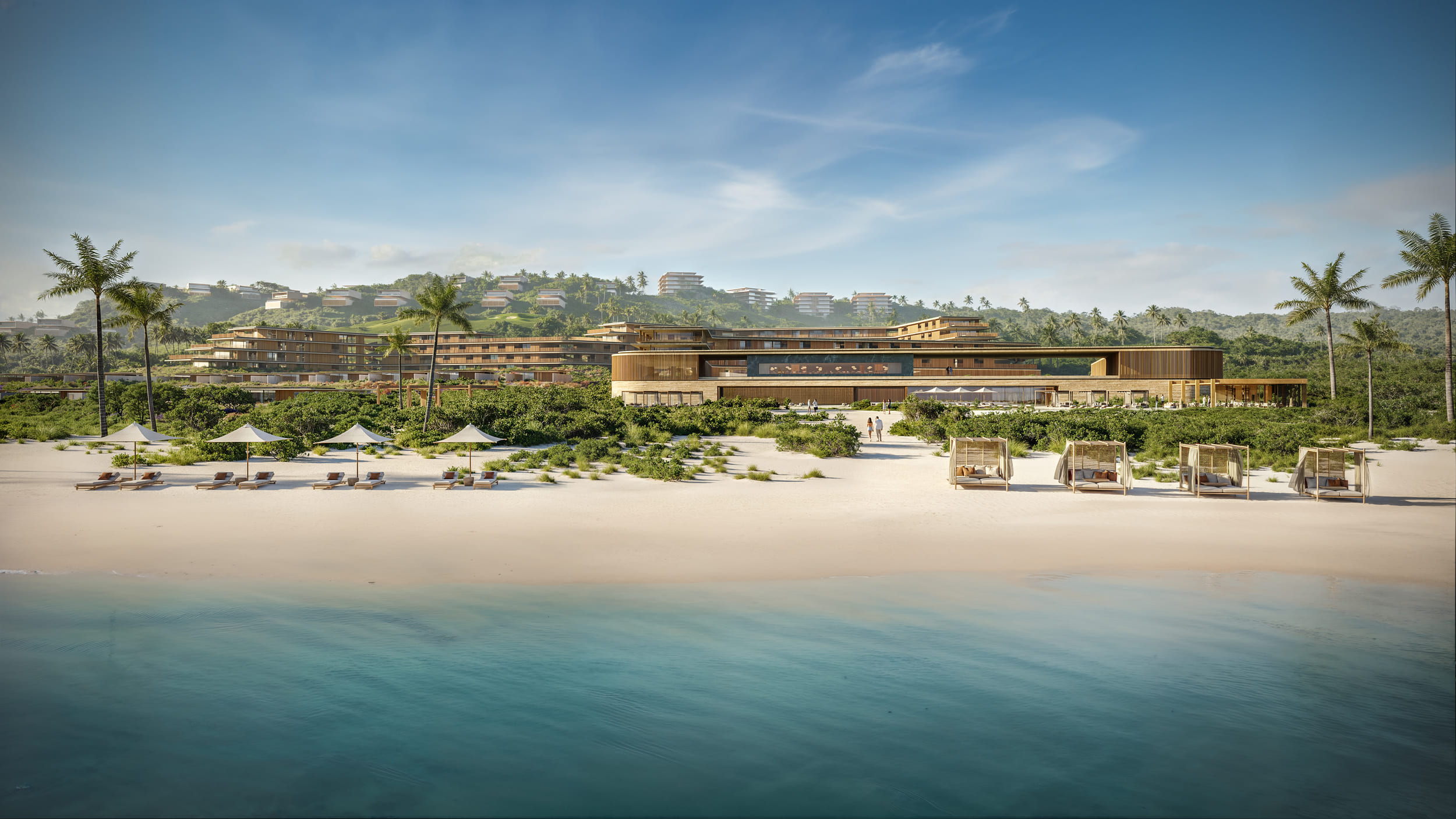
Mandarin Oriental Puerto Rico at Esencia <br /> Courtesy of Eleven Visualization
Mandarin Oriental Puerto Rico at Esencia
Courtesy of Eleven Visualization

Climate change isn’t just a challenge, it’s a design driver. What’s the most unconventional or innovative resilience strategy you’ve applied at Esencia, and how does it enhance the guest experience?

We made an early decision that Esencia would not strain local resources. The community is being designed to operate independently from the grid, generating its own solar power, storing energy, managing water systems, and treating wastewater on site. Critical infrastructure is underground and hardened for resilience.

One of the most important strategies has been restoring and protecting the natural dune system. Those dunes are not just ecological assets – they are the coastline’s first line of defense. We’ve also focused on architecture that works with the climate rather than against it, through orientation, shade, natural ventilation, and thoughtful material choices.

Resilience here isn’t a marketing concept; it’s built into the foundation. In a region that has experienced real storms, that matters.

The benefit is that sustainability also improves the guest experience: cooler shaded pathways, preserved beaches, quieter spaces, and infrastructure that simply works. The best resilience measures are often the ones guests feel without necessarily noticing.

From Waikiki to Los Cabos to Cabo Rojo, you’ve built in some of the world’s most iconic destinations. What makes Puerto Rico uniquely thrilling (or risky) for someone with your entrepreneurial approach?

What makes Puerto Rico so compelling is its authenticity. This isn’t a pre-packaged luxury market – it’s a place with deep culture, strong opinions, and a community that cares intensely about its future. That makes it exciting, but it also means the bar for developers is rightfully very high.

Over the past three years, we’ve learned that meaningful development here starts with listening. We went through an extensive public review process, including four days of formal hearings, and we treated that dialogue seriously. When concerns were raised about beach access, we committed to building public access roads and facilities. When questions came up around environmental preservation, we leaned on years of scientific studies to create a master plan that, as mentioned, reduces the previously approved footprint on the site by 80%, while preserving more than 75% of the land for conservation and recreation.

When alignment happens here, it feels meaningful. It feels earned. It feels like you are participating in something that will outlast you. That’s the kind of risk I’m comfortable with.

‘Connected communities’ is your mantra. Can you share a moment when the local community’s input fundamentally changed the vision of Esencia, and what it taught you about the intersection of luxury and culture?

The first two years of Esencia were dedicated almost entirely to listening and studying the land. We conducted more than 20 environmental and cultural studies – from archaeology and coastal flooding to flora, fauna, and environmental justice – and held over 100 workshops and one-on-one meetings with local stakeholders, from fishermen and religious leaders to small business owners and mountain biking groups.

One of the most meaningful moments came through the local mountain biking community in Cabo Rojo. As we spent time on the property, we realized the land had quietly become an important place for local riders, with informal trails running throughout the site.

Instead of removing that activity, we chose to embrace it. We walked the terrain with members of the community, listened carefully, and ultimately decided to formalize and expand access. Esencia will include sixteen miles of trails that remain open to local mountain bikers.

That experience reinforced an important lesson: luxury development should preserve and elevate what already exists culturally and socially. When that happens, a project feels connected to a place rather than imposed on it.

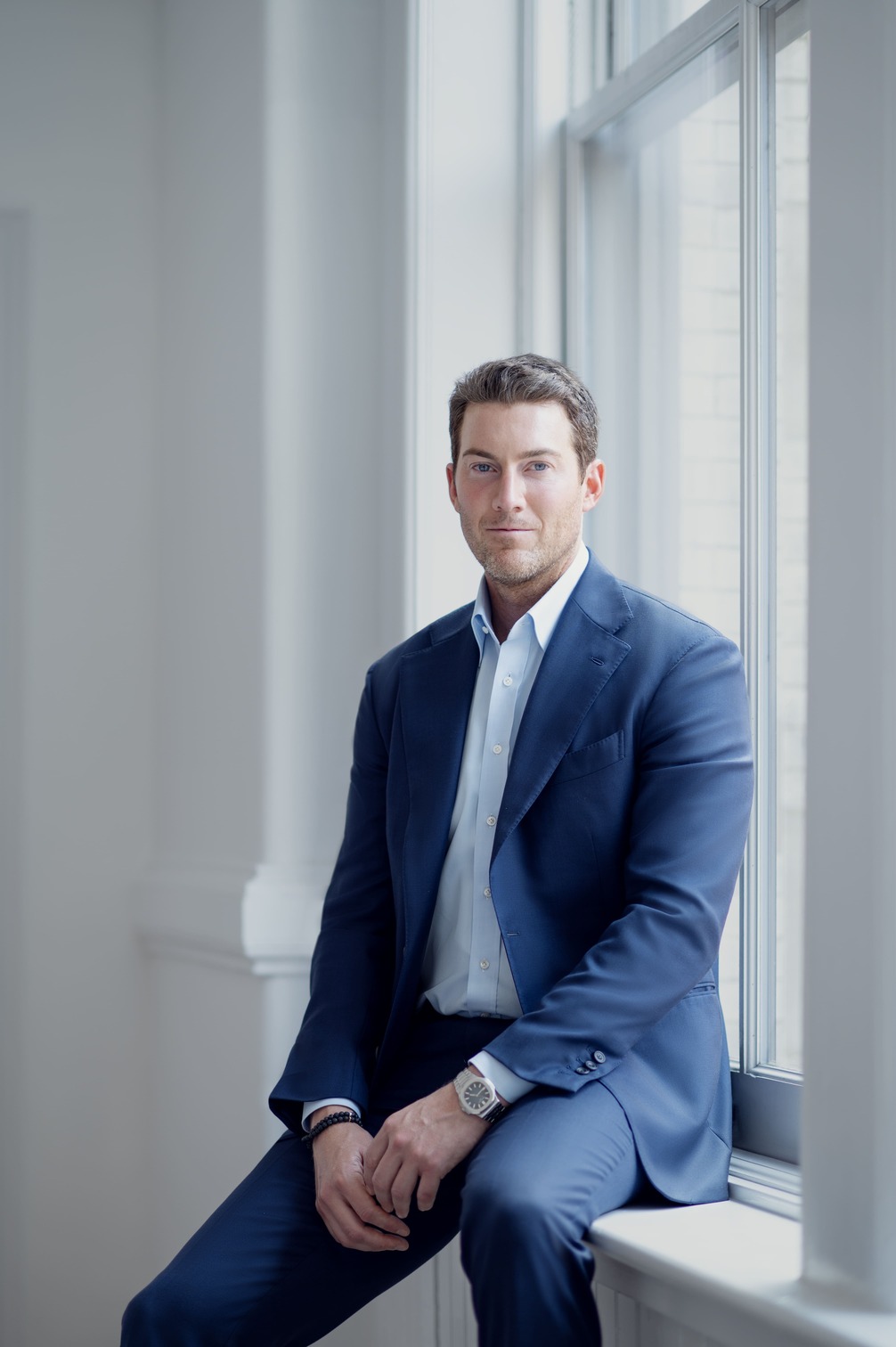
Will Bennett <br/> CEO and Co-founder of Three Rules Capital
Will Bennett
CEO and Co-founder of Three Rules Capital
Magazine Design Courier

Get Design Courier straight to your inbox

The community magazine for the community
Powered by Medelhan - The Global Design Network

The community magazine for the community
Powered by Medelhan - The Global Design Network
© Design Courier. Powered by Medelhan. Developed by Broadweb.80
The community magazine for the community
Powered by Medelhan - The Global Design Network
The community magazine for the community
Powered by Medelhan - The Global Design Network

Get Design Courier straight to your inbox

© Design Courier. Powered by Medelhan. Developed by Broadweb.80