

The community magazine for the community
Powered by 
The community magazine for the community
Powered by
© Design Courier. Powered by Medelhan. Developed by Broadweb.80
| CANVAS OF PLANS & DRAWINGS |
INTERIOR & DÉCOR, but with a twist |
| HOTELS & RESTAURANTS, beyond mainstream |
Notes on ART |
| Into big AFFAIRS | INSIDERS |
| GLIMPSES | |
Keywords:
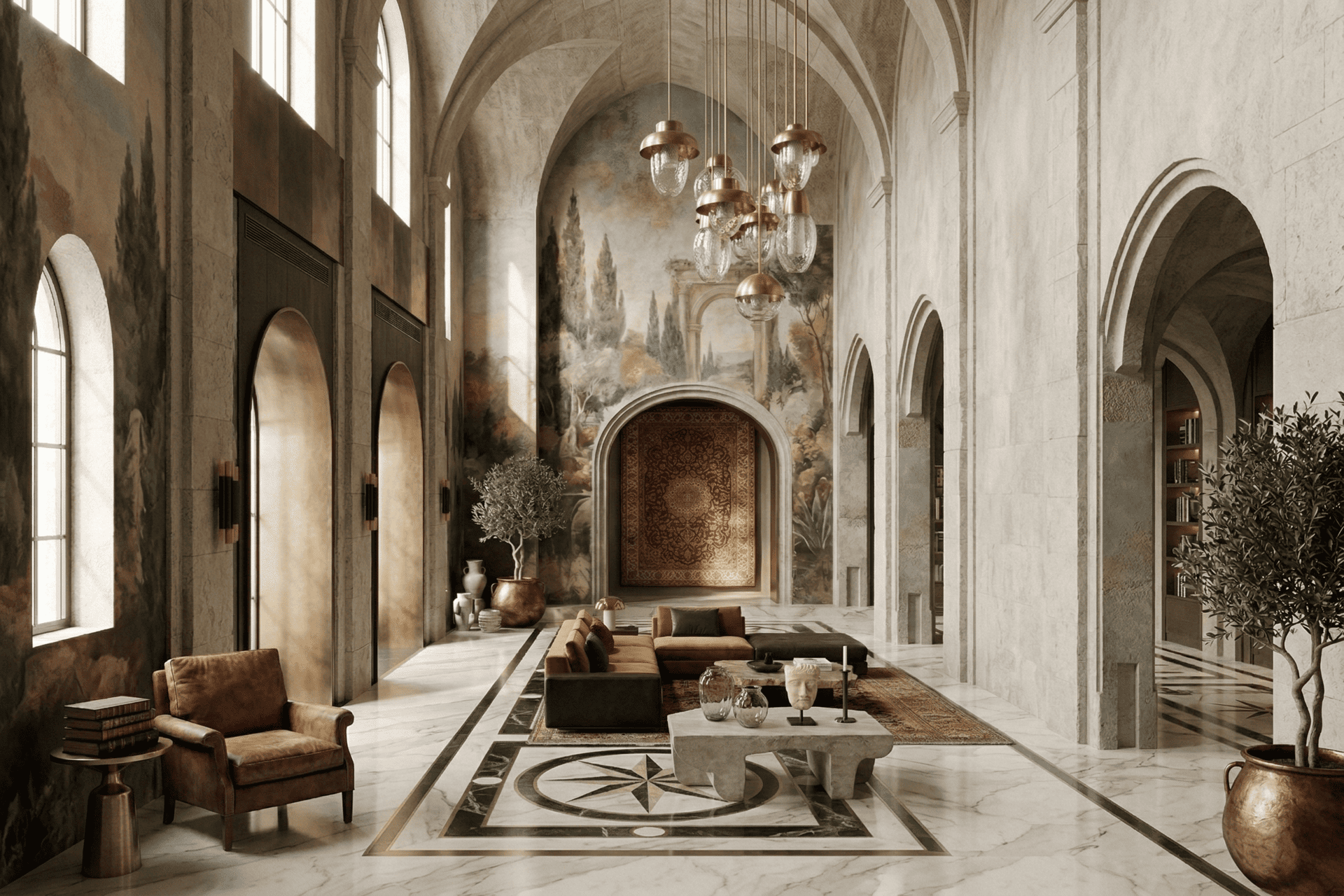
In Italy, bespoke design within interiors, furniture, product systems, and architecture is less a premium feature than a structural condition. Customization is embedded in how projects are conceived and delivered, driven by a production landscape dominated by small, highly specialized firms. Rather than adapting standardized products, designers typically construct solutions from the ground up –dimensions, materials, and technical details recalibrated for each commission.
This model is rooted in geography. Manufacturing districts such as Brianza, Pesaro, and Carrara concentrate distinct competencies: cabinetry, upholstery, metalwork, and stone processing. Their proximity enables what can be defined as “iterative production.” A prototype can be revised in real time through direct dialogue between designer and fabricator, compressing development cycles and allowing a level of precision that industrial systems struggle to match.
The economic relevance of this approach is substantial. Italy’s furniture sector generates over €50 billion in annual turnover, with exports exceeding €18 billion. A significant share is tied to contract and custom projects – hospitality, workspaces, and high-end residential developments – where standardized solutions are inadequate. In these contexts, bespoke is not about uniqueness for its own sake, but about resolving constraints: irregular floor plans, complex building codes, acoustic requirements, or integrated technologies.
This shifts the definition of bespoke away from singular objects toward coordinated environments. Architectural practices such as Piuarch and Studiopepe operate through systems thinking, where spatial layout, furniture, lighting, and surfaces are conceived as interdependent layers. A reception desk, for example, is not a standalone piece but part of a sequence involving circulation flows, material continuity, and brand identity.
To deliver this complexity, the supply chain has evolved. While production remains fragmented, coordination has intensified. Larger groups like Molteni Group and Poltrona Frau Group increasingly act as integrators, managing networks of subcontractors and ensuring compliance with technical and regulatory standards. Their role is less about manufacturing everything in-house than about orchestrating distributed expertise into coherent project outcomes.
This orchestration is becoming more demanding. Contemporary projects require integration of advanced systems – climate control, acoustic engineering, digital interfaces – alongside traditional materials. Bespoke joinery must now accommodate sensors, lighting infrastructure, and modular maintenance access. The challenge is not simply technical execution but coordination across disciplines that operate on different timelines and standards.
Material innovation further complicates the landscape. While wood and stone remain central, there is growing use of engineered surfaces, recycled composites, and high-performance coatings. These materials introduce new possibilities but also require adjustments in fabrication processes. The Italian system’s strength lies in its adaptability: small workshops can experiment without the inertia of large-scale industrial setups, but scaling these innovations across multiple projects remains uneven.
Sustainability adds another layer of pressure. Clients increasingly demand traceability, low environmental impact, and lifecycle transparency. In a bespoke context, this is inherently complex. Each project may involve dozens of suppliers, making certification fragmented. However, the localized nature of Italian production offers a potential advantage: shorter supply chains can, in principle, provide clearer documentation and reduced transport impact, if properly structured.
Digital tools are reshaping the interface between design and production. Parametric modeling and CNC fabrication allow for high-precision customization, particularly in complex geometries. Yet in Italy, these technologies rarely replace manual processes; they augment them. A parametrically designed component is often finished by hand, ensuring control over texture and detail. This hybridization preserves the qualitative aspects of craftsmanship while expanding formal possibilities.
Despite its strengths, the system faces a critical constraint: labor continuity. Many specialized skills – advanced joinery, surface finishing, bespoke metal fabrication – depend on aging workforces. Without effective training pipelines, the capacity for high-level customization risks contraction. This is not an abstract concern; it directly affects project timelines, costs, and feasibility.
The central paradox remains unresolved. The same fragmentation that enables flexibility also limits scalability. Global demand for customized environments is increasing, yet the production model resists standardization. Italy’s response has not been to industrialize bespoke, but to refine coordination – layering management, digital tools, and technical integration onto a fundamentally artisanal base.
Bespoke design in Italian interiors and architecture is therefore best understood as an operational paradigm. It translates spatial and technical complexity into built form through continuous negotiation between designers and a distributed network of producers. The outcome is not uniform efficiency, but targeted precision – solutions that are specific to context, use, and material logic. In a global market increasingly oriented toward customization, this capacity remains both Italy’s competitive advantage and its structural challenge.
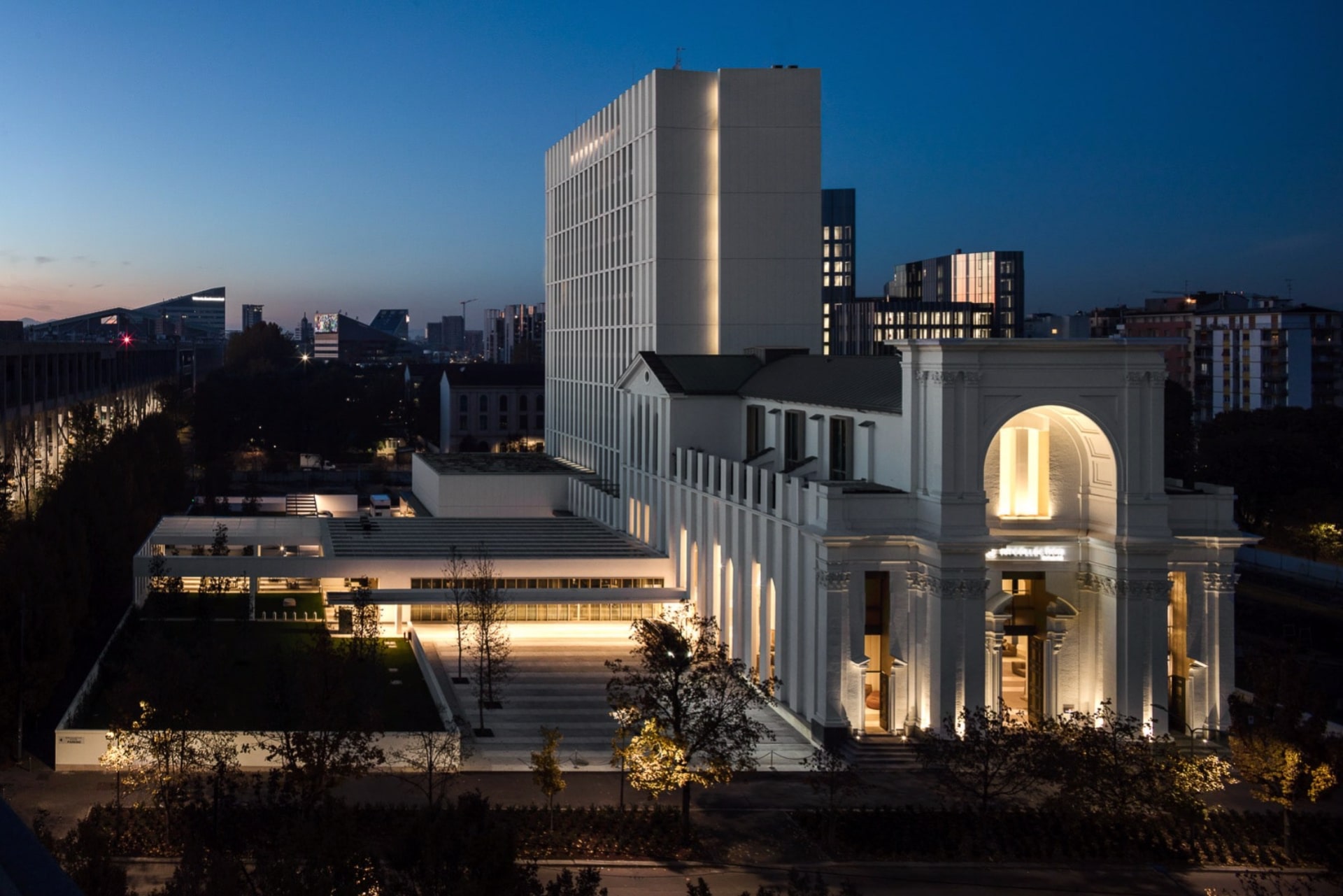
The NH Collection hotel in the Citylife district of Milan attracts attention by a number of aspects, beginning with its location. The building that houses the new hotel is the former Cristo Re church
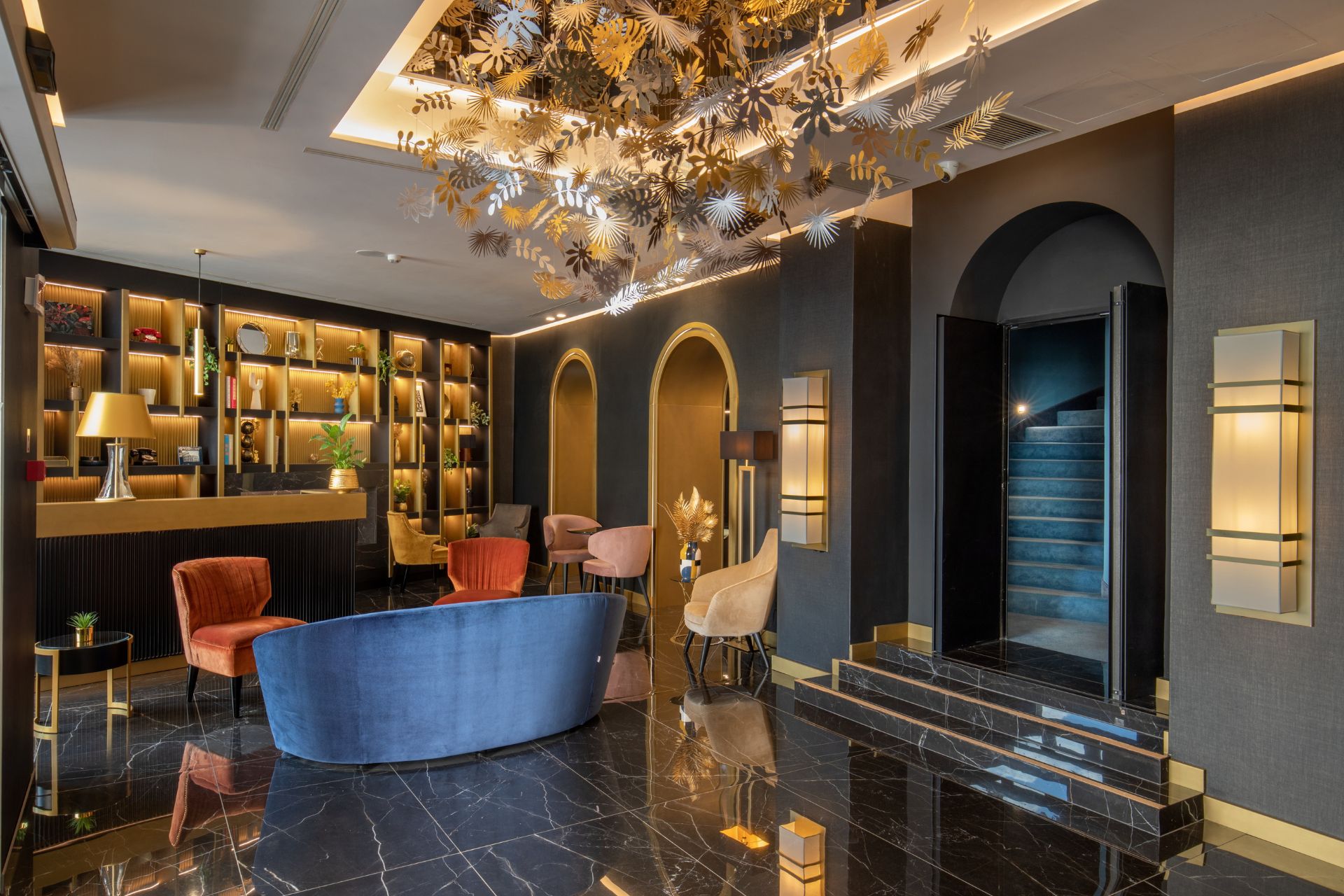
The spaces designed by the Rome-based studio Ceccaroli Architettura are, first and foremost, places of emotions, where to build memories that last over time.