

The community magazine for the community
Powered by 
The community magazine for the community
Powered by
© Design Courier. Powered by Medelhan. Developed by Broadweb.80
| CANVAS OF PLANS & DRAWINGS |
INTERIOR & DÉCOR, but with a twist |
| HOTELS & RESTAURANTS, beyond mainstream |
Notes on ART |
| Into big AFFAIRS | INSIDERS |
| GLIMPSES | |
Keywords:
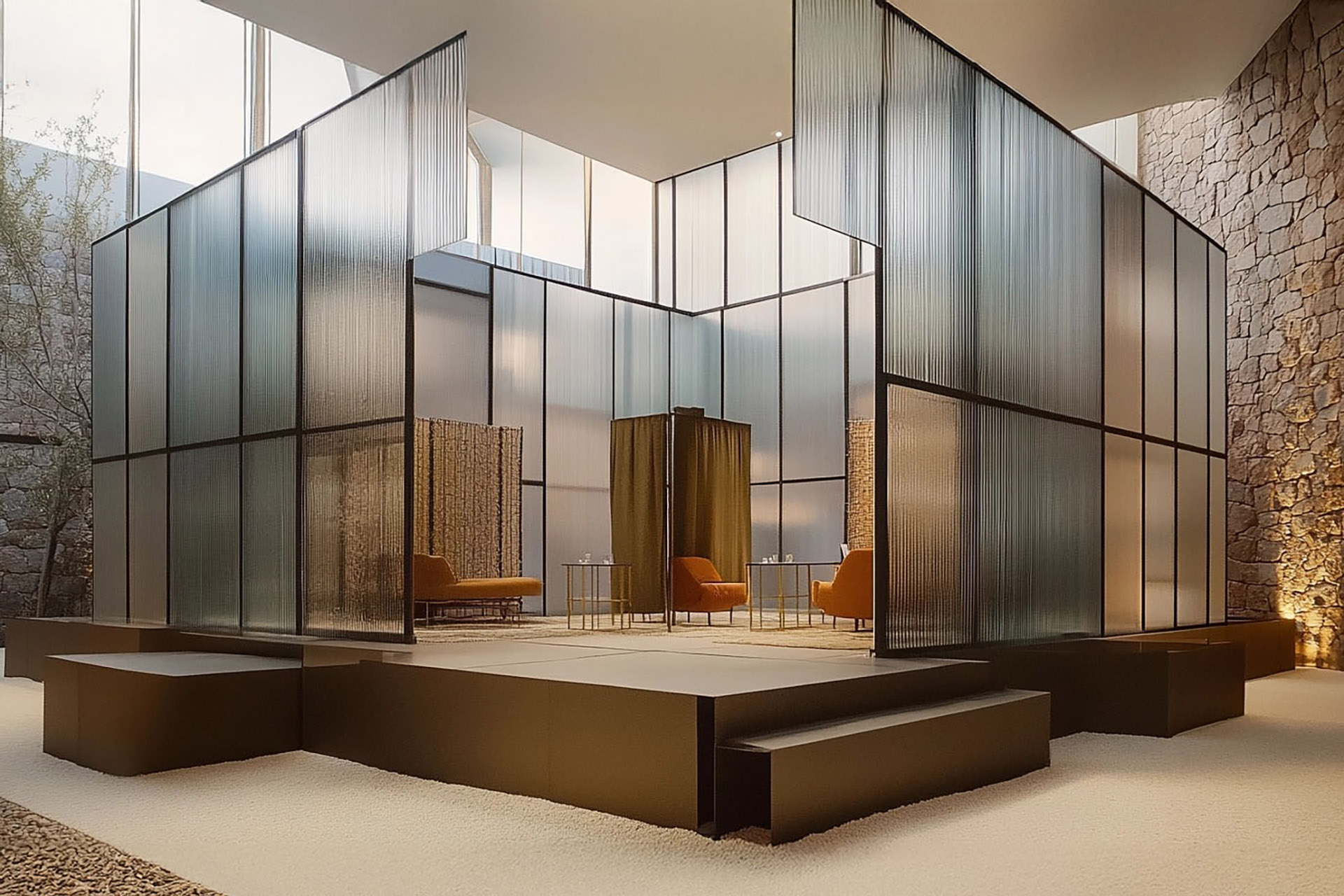
Imagine standing before a vast, floor‑to‑ceiling glass wall. Through it, sunlight floods into a space defined by meticulously selected high‑end furniture – pieces that are not only refined in form but carry the imprint of skilled hands and thoughtful design. Beyond the glass lies a natural setting: lush greenery that extends the living space into the landscape. This scene, at once serene and purposeful, embodies a shift in how the world understands luxury design – not as ornamentation, but as a convergence of aesthetics, economic growth and cultural meaning.
The global market for luxury high‑end furniture now stands as a structured economic force rather than a niche aesthetic indulgence. In 2025, the segment is estimated to be worth between $32 billion and $36 billion, with a projected compound annual growth rate of about 5.3 percent through the next decade, potentially exceeding $50 billion by 2035. These figures do more than signal resilience; they reflect a deepening consumer commitment to environments that resonate with identity and quality. While broader economic fluctuations challenge many industries, the upper tier of furniture and interior design continues to expand, suggesting that luxury living remains a priority for affluent households across Europe and North America.
But this market is not monolithic. When design extends beyond individual objects into the realm of experience – where the interior conversation reaches outward toward a garden framed by glass – the market shifts. The broader luxury interior design space, encompassing bespoke projects, immersive spaces and curated aesthetic experiences, is estimated to be worth some $72.7 billion in 2025, with forecasts exceeding $118 billion by 2035. This growth is not driven by decoration alone, but by a deeper belief: that where we live shapes how we live. Consumers, especially in the upper echelons, are investing in settings that express personal values and enhance well‑being.
What is remarkable about this evolution is the role of personalization and sustainability as defining levers. Nearly 47 percent of luxury purchasers now prefer furniture solutions that are fully customized or modifiable to individual needs. The desire for the unique – often realized through refined materials like hand‑worked wood, artisanal stone or tailored finishes – underpins much of the premium value attached to each piece. At the same time, the integration of eco‑certified materials and low‑impact production methods has become more than a marketing angle; it is a strategic requirement. Over 60 percent of luxury design brands now incorporate sustainable practices into their processes, and roughly 80 percent of affluent consumers say they would willingly pay a premium for products aligned with their environmental ethics. This is not an abstract luxury. It is demand shaped by conscience, where durability and responsible sourcing elevate an object’s worth beyond its price tag.
Seen in this light, the glass wall becomes more than architectural transparency; it becomes a metaphor for clarity of purpose. It does not simply separate interior from exterior, but invites a dialogue between crafted space and natural context – a conversation aligned with the emerging tenets of biophilic design. This design philosophy, which intentionally incorporates natural elements into built environments, does more than create visual harmony. Studies show that biophilic integration can increase property value by up to 15 percent, confirming that human psychological and financial valuations often align around experiential richness.
Simultaneously, technological innovation is reshaping how design is conceived and sold. Visualization tools like 3D modeling, augmented reality and virtual showrooms have become standard in high‑end practice, allowing clients to inhabit a projected space before a single physical element is installed. This is particularly consequential in settings where light, proportion and the relationship to landscape matter as much as form and finish.
Today’s high‑end furniture and interior design are thus defined by a synthesis of tactile materiality and digital precision, of legacy craft and forward‑thinking sustainability. The trend toward surfaces that invite touch – textured woods, luminous glass, natural fabrics – is interpreted as a counterpoint to the flatness of digital experience, asserting physical presence as a luxury in itself.
In this ecosystem, a single piece of furniture does not merely occupy space; it accrues meaning. It is part of a story about who we are, how we live and what we value – narratives writ large in light and landscape through glass. The interplay between interior design, consumer insight and economic data reveals a market where luxury is measured not only by beauty or brand, but by resonance: the ability of an environment to reflect identity, connect with nature and provide enduring value.
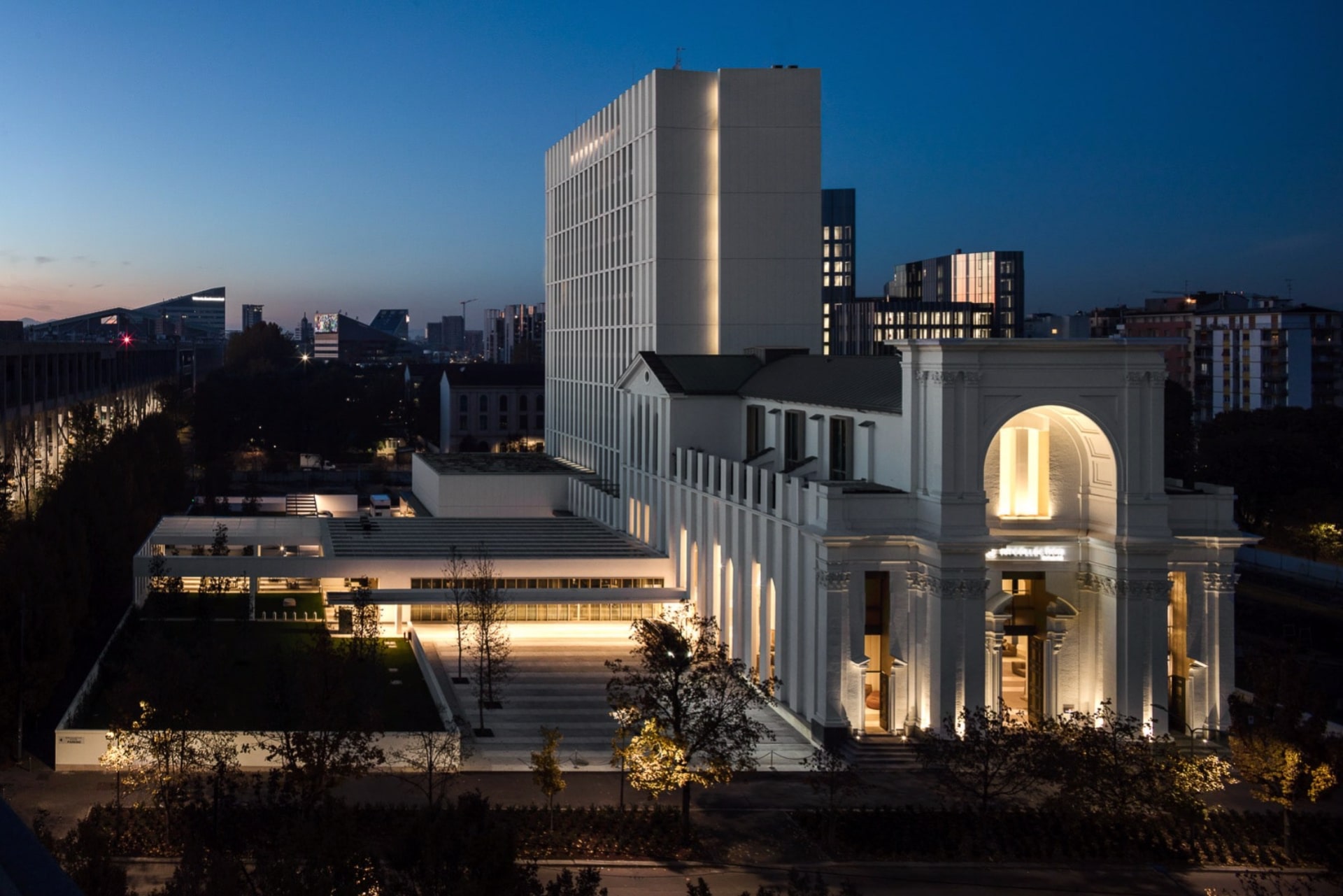
The NH Collection hotel in the Citylife district of Milan attracts attention by a number of aspects, beginning with its location. The building that houses the new hotel is the former Cristo Re church
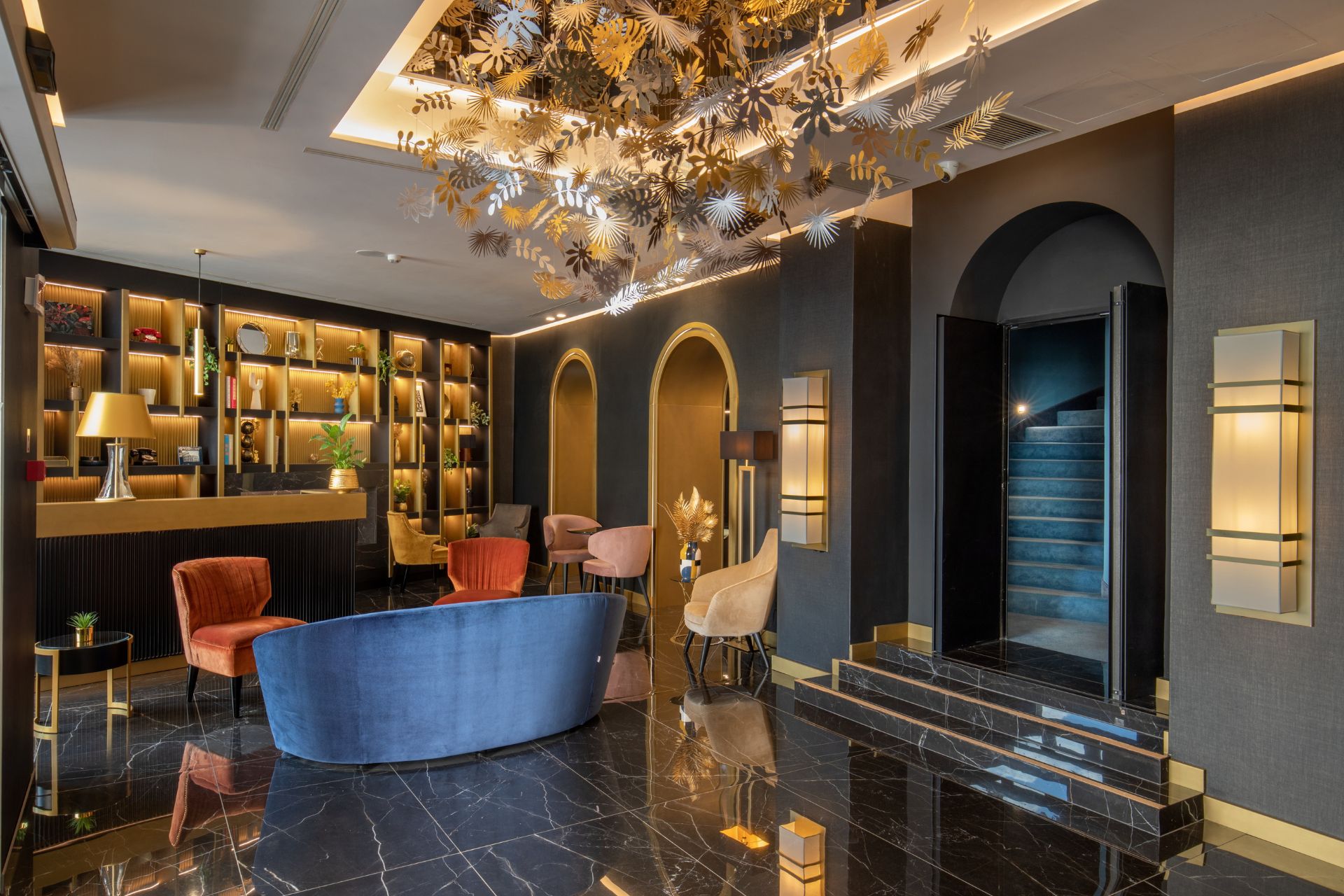
The spaces designed by the Rome-based studio Ceccaroli Architettura are, first and foremost, places of emotions, where to build memories that last over time.